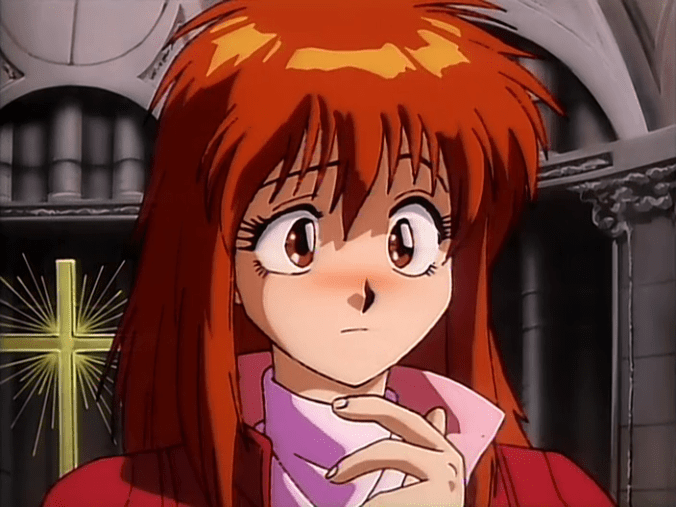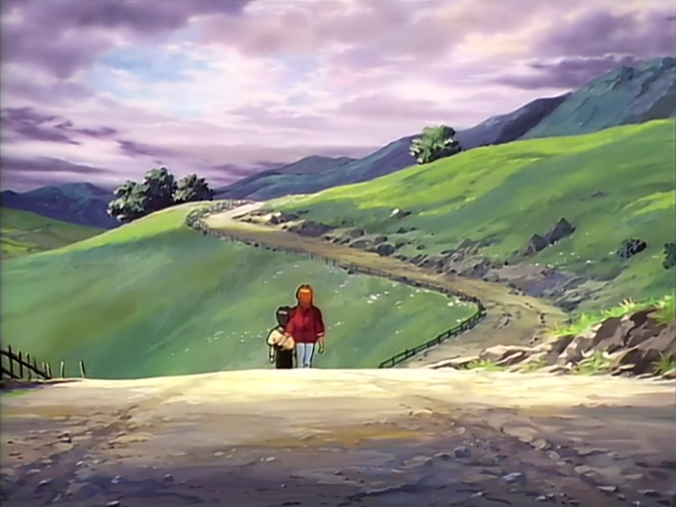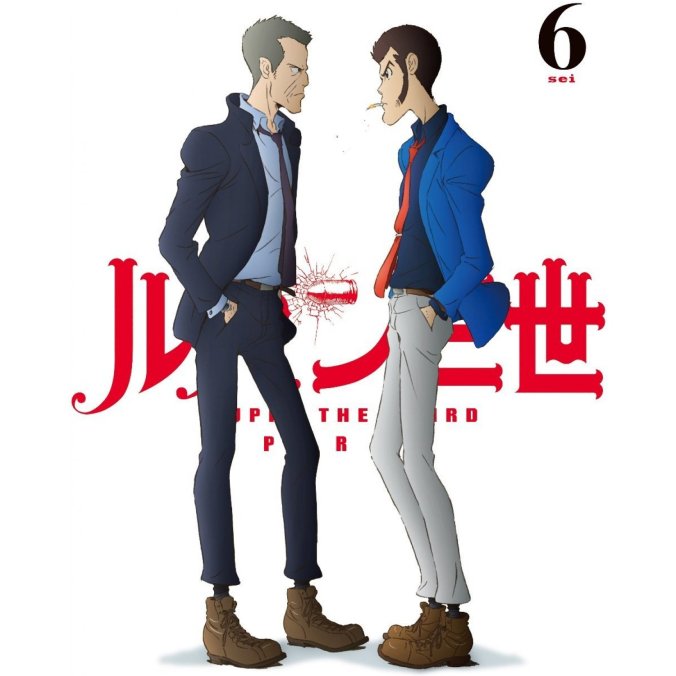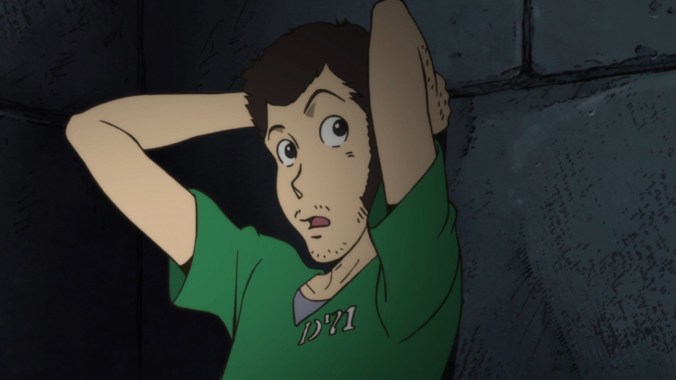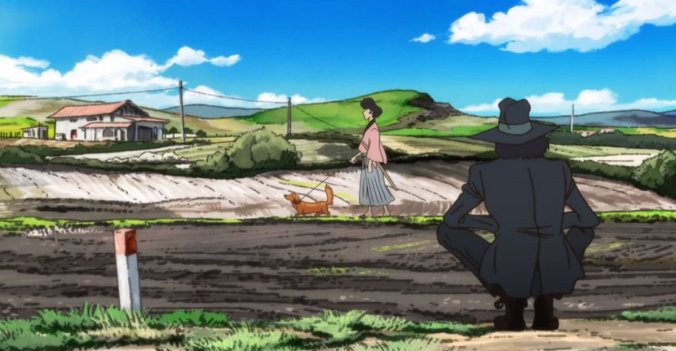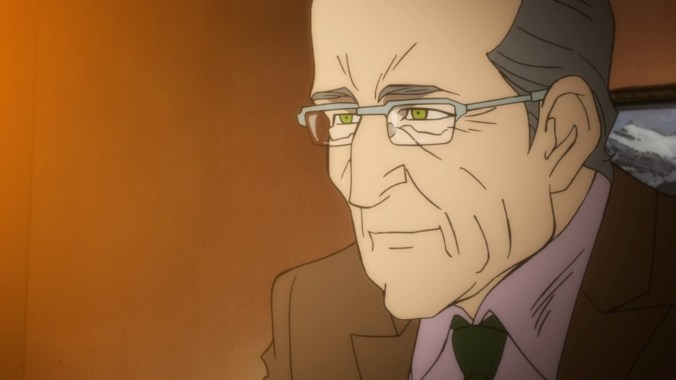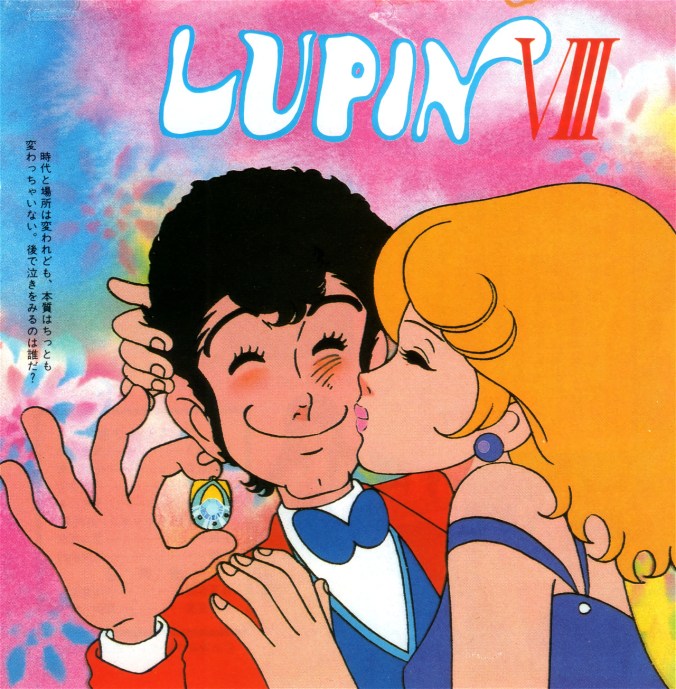
MANLY MONDAY: Lupin VIII – The Story of a Cancelled Sci-Fi Pilot

lupin viii.png

The Lupin III franchise is now celebrating its 50th anniversary, with countless entries and works over many years. While I covered a few of my favourite works already, it is interesting to look not only look at the beloved, but also at the ones that are overlooked.

Or in this specific case, the ones that never made it to the public. Not every entry can be successful in this fast world of entertainment, and some get outright cancelled before they see the light of day. Such as this little pilot episode to a new series called Lupin VIII in 1982.

Let’s take a look at this unusual pilot and what lead to its early cancellation.
vlcsnap-2018-09-16-15h42m31s060

Lupin VIII, “Arsène & Company” in French.

Story and Changes

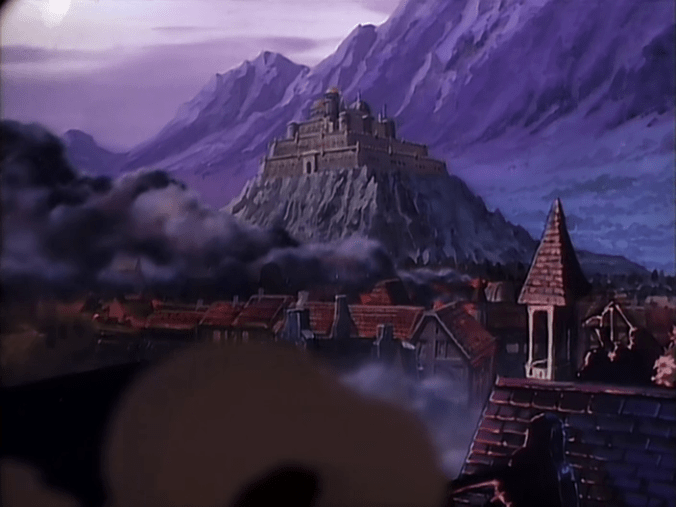
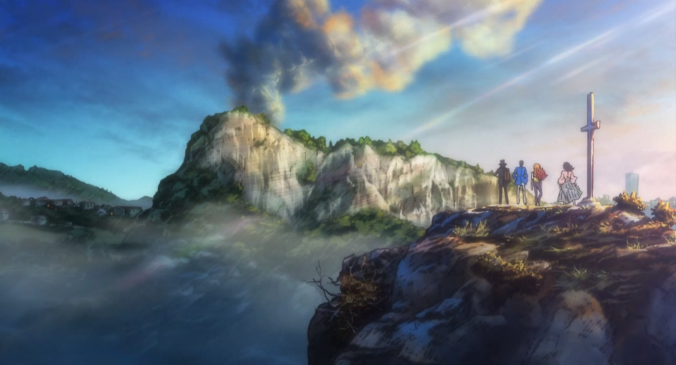
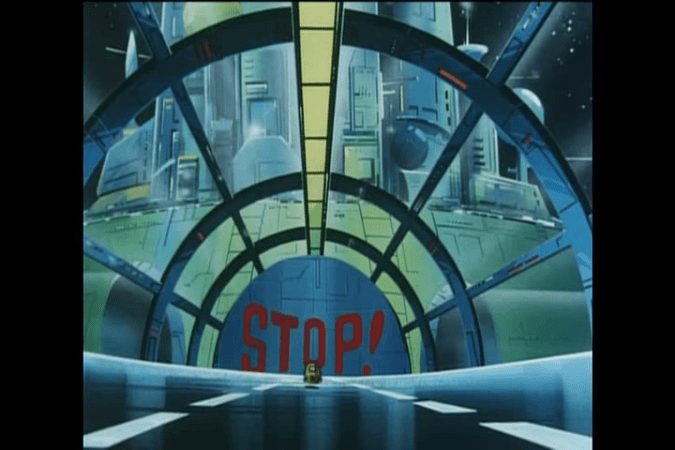
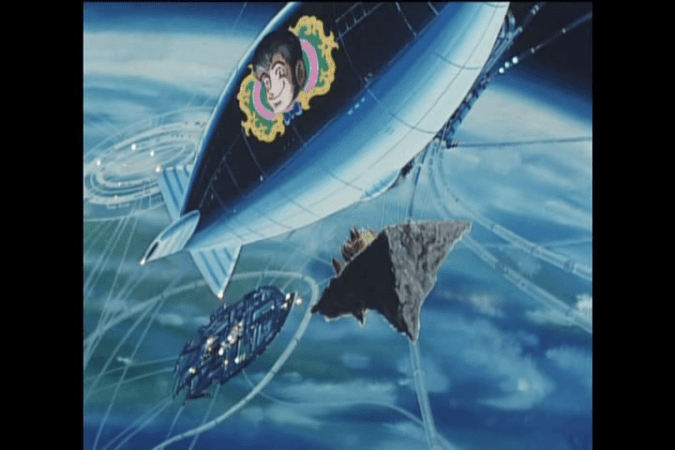
Lupin VIII takes place in the far future, space travel is a day-to-day occurrence and Earth’s orbit is full of space stations, galactic highways and private rockets, big and small.

This slideshow requires JavaScript.

Lovingly designed backgrounds that establish the world in the intro.

Inmidst all of these flies a space ship in the shape of a zeppelin – it’s the office of freelance detective Lupin VIII. Together with his friends Jigen The Fifth and Goemon XVIII, they solve mysteries for many clients. Love interest Fujiko Mine (no extra number given) is also around, but having her own adventures that intersect with the other main characters coincidentally.

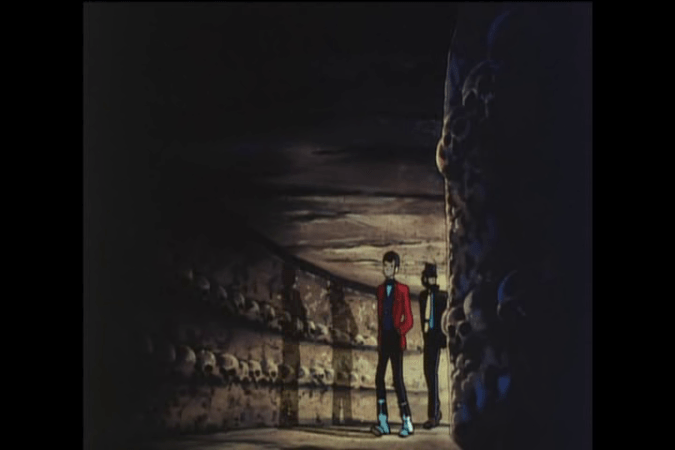
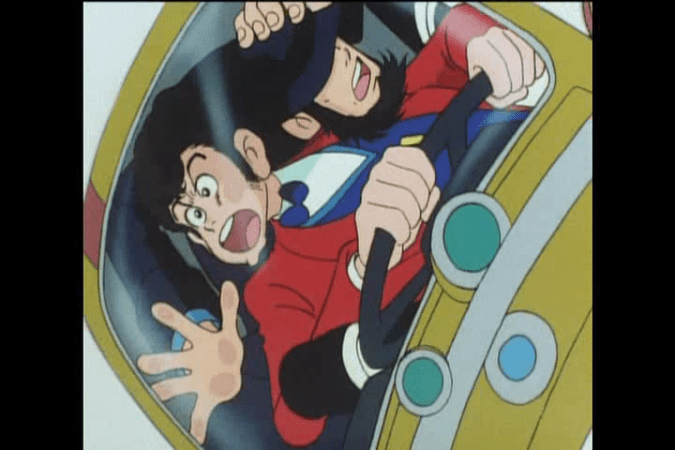
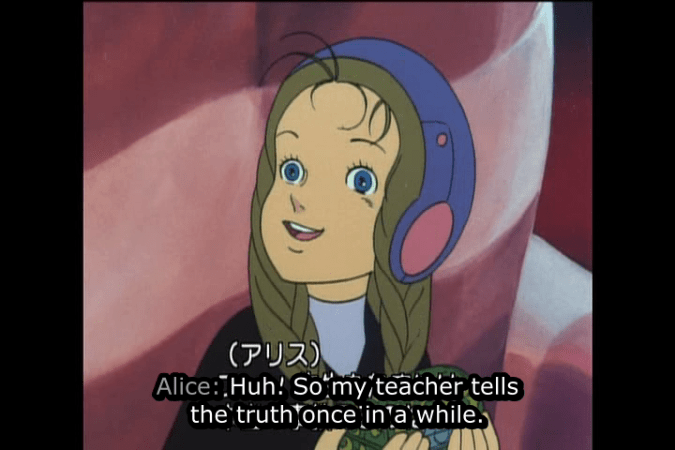
In this pilot, a little girl comes to visit the detective agency of Lupin VIII. She has a message in a music box from one of her ancestors to “wake him up” after 100 years. Those 100 years are nearly over, and she doesn’t know what to do about it. Lupin VIII and Jigen V accept the case and go on a mission, which will involve car chases on galactic highways, shootouts, a treasure hidden on the Moon and evil greedy villains to defeat.

vlcsnap-2018-09-16-17h55m24s296vlcsnap-2018-09-16-17h55m26s828

A girl giving them a mission…

vlcsnap-2018-09-16-12h43m58s363vlcsnap-2018-09-16-12h44m27s333vlcsnap-2018-09-16-12h51m09s274vlcsnap-2018-09-16-12h51m20s017

…ends in damp catacombs and with raging robot sharks.

If one reads this plot outline, it leads to the natural conclusion of “So, it’s Lupin III in Space?”, and while that is largely true, the amount of minor changes add up to quite a significant deviation from the original series’ topics and feeling.

Lupin VIII was supposed to be a kid’s show, and hence, it couldn’t have a “thief” as a main character – stealing is illegal, so a good example needs to be set – protagonist Lupin VIII is a detective now.

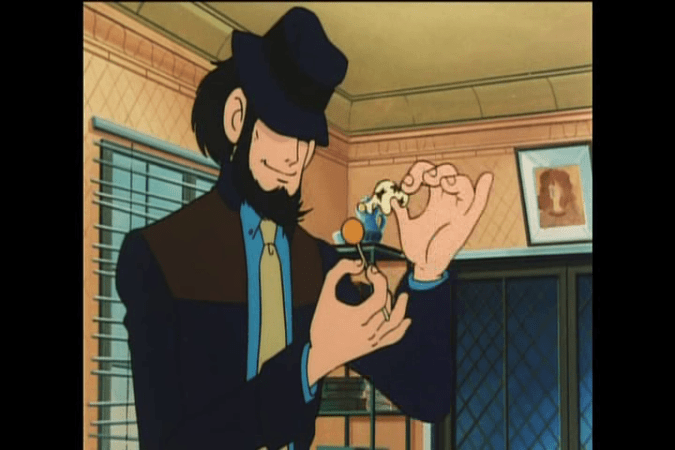
In addition, weapons and tobacco are also taboo. This means that both Lupin and Jigen swap their signature pistol and revolver for laser guns, and Goemon receives a lightsaber. This decision is fine, as it fits with the given sci-fi setting, but it also means that Jigen Daisuke (who is normally seen smoking) has a lollipop 24/7.
vlcsnap-2018-09-16-15h43m08s744

The change from “thief” to “detective” poses another problem if one thinks of the original cast: What does Zenigata, Lupin’s adversary, do now? Lupin VIII is not a criminal, he follows a normal job.

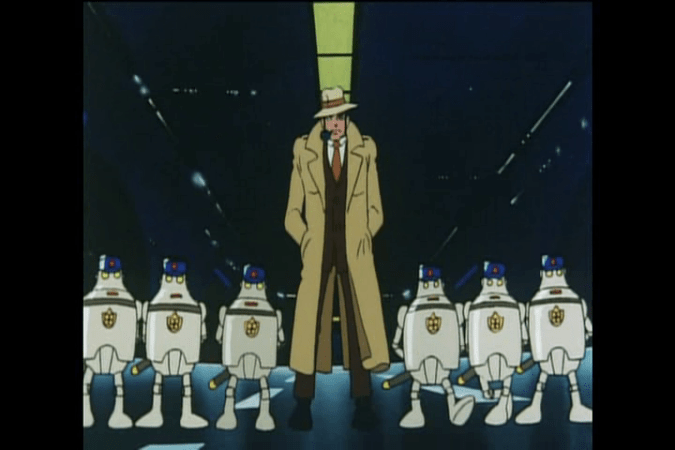
Here is the kicker: Zenigata still thinks Lupin VIII is worth suspecting, and that one day he might show his “true colours”. Convinced that he is the descendant of many criminals from several generations ago, he certainly must be up to no good.
vlcsnap-2018-09-16-18h02m56s108vlcsnap-2018-09-16-18h03m02s680

His little robo police is very adorable, though. (And the pipe is a communicator!)

This fact is played for laughs (with Lupin VIII flatly saying that this outlook is “Good for him” to have), it feels a bit out of place for Zenigata, a capable police inspector, to have someone under general suspicion purely for their ancestry.

To have the cast look exactly the same (just add five generations as a number and you’re done) feels like a concept held back by its own self. Instead of creating its own character design, it simply repeats the classic and censors them for a younger audience.

“Descendants of the Lupin III cast in a sci-fi future” could be a very interesting visual design to tackle, but some decisions feel a bit out of place – such as Goemon’s space suit being futuristic samurai armour. It makes sense as an idea, but the armour is not giving him the visual finesse and elegance he normally has and that is part of his character. But it is positively goofy and grand, and thus very fitting for a kid’s show!

vlcsnap-2018-09-16-12h54m50s658

vlcsnap-2018-09-16-12h54m58s602

Not his usual sleek self, but still as cool.

So, a few elements are changed, giving this pilot its own visual identity and feel, why was that?

An International Production

Lupin VIII was a French-Japanese production, collaborating with DiC Entertainment, who are known to many as the creators of the Inspector Gadget animated series, as well as co-productions with US studios on series such as Sonic The Hedgehog and Captain N. As a studio that mainly produced kid’s shows, it was only logical to make their Lupin VIII also one.

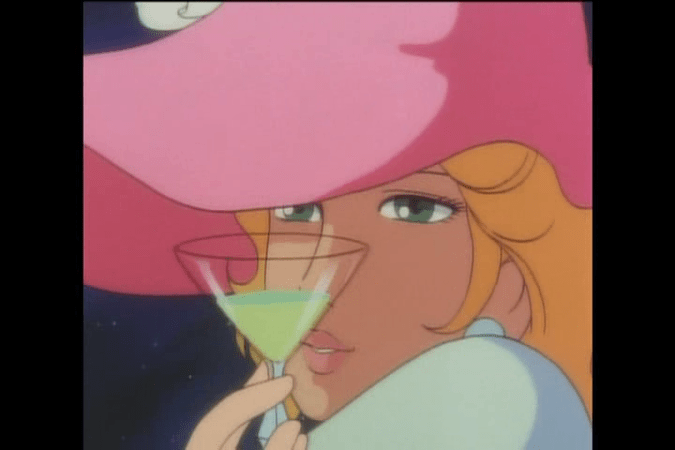
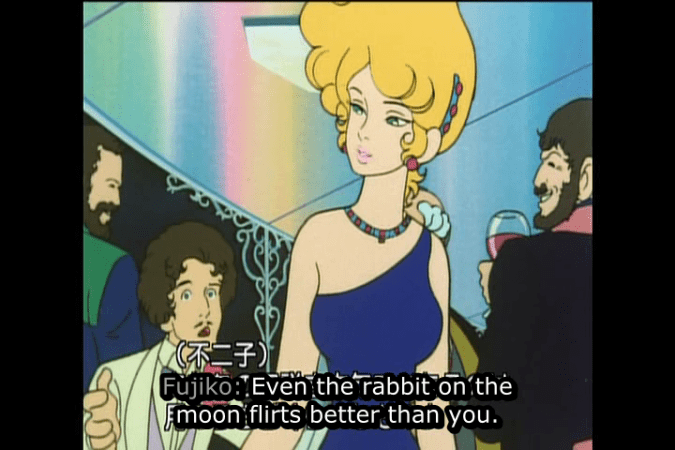
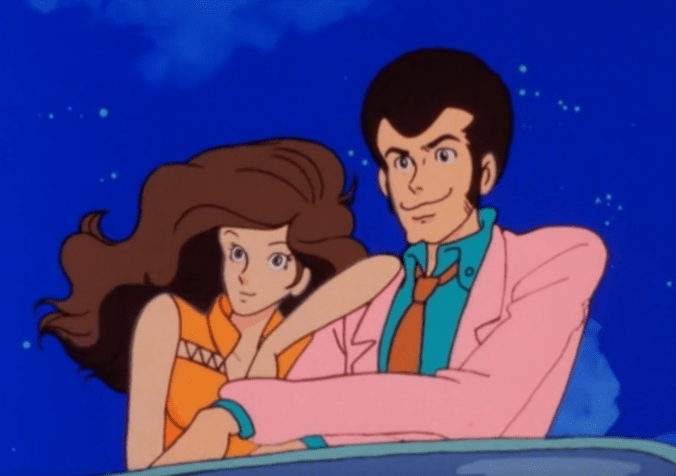
This international creative process may explain some of the character designs by Shingo Araki, who also did the designs for Part III (Pink Jacket Lupin) from 1984-1985. His character designs in Lupin VIII, especially his Fujiko Mine, feel more oriented towards a “80’s Western Animation” aesthetic. Fujiko especially reminded me personally of Jem and the Holograms (which is also a Japanese co-production!) or Michel Vaillant, if we compare her directly to her Part III contemporary.
vlcsnap-2018-09-16-12h46m39s365

vlcsnap-2018-09-16-18h39m28s206

To compare: Fujiko Mine in “Lupin VIII” in 1982…
part iii

…and Fujiko Mine in “Lupin Part III” in 1984. Same character designer, different feel.

Why was it cancelled?

Lupin VIII was cancelled not due to its content, but due to the use of the nameLupin VIII / Arsene & Company. The heir of the original author, Maurice Leblanc, who wrote the Arsène Lupin novels in 1905, did not give his permission for this anime, and thus, the project was doomed to fail – production was cancelled before the pilot could be finished.

Regarding the production and checking available sources, it seems like 6 episodes were planned, 2 were scripted, and only 1 episode made it to a near-finished stage. Some sources credit Rintaro as the director of this pilot, an acclaimed veteran who has worked on many anime such as Astro Boy, Space Pirate Captain Harlock and Metropolis, but no bullet-proof confirmation is given.

Should you by this point have checked out the pilot for yourself, you will notice a sad fact: there is no voice acting. Music and sound effects are present (and are nice!), but the dialogue only exists in subtitles. It never got to the production stage of “recording voice actors”. Unfortunately, these subtitles were hardsubbed [i.e. burned] into the visuals, so I apologise for those in the screenshots.

This pilot, in its mute and unfinished form, was released in the 2012 Lupin III Master File box set, as a relic and an inside look into a project that could have been lost in time entirely, and thankfully has survived.

Conclusion

All in all, Lupin VIII really is an interesting glance at a thing that never was – but also something that maybe wouldn’t have had the critical success as its contemporaries. To make a “Lupin for kids” is a noble goal, and could have been a hit with children – however, as a personal opinion, it would have been a better decision to do a “Lupin for everyone”, such as Hayao Miyazaki’s Castle of Cagliostro or Masayuki Ōzeki’s The Fuma Conspiracy, which can be enjoyed by the whole family as fun and action-packed adventures without the need to censor any original element. It also could have been its own thing with brand-new character design ideas, not held back by the legacy and influence of the original Lupin III.

However, one should not think too much about the “what ifs” and “should haves” of life, but rather see what is present. And so, we have Lupin VIII, a pilot for a show that never got the chance to prove itself – but that was nonetheless a brave attempt and beautifully crafted in its world design and animation, with a unique mix of French and Japanese art and aesthetic. I sincerely hope that we may get another attempt one day, as the idea of “Lupin III in Space” with rocket ships, orbital highways, robo police and lightsabers is too good to miss.
vlcsnap-2018-09-16-18h02m33s665

The End.

Sources: “Lupin VIII” entries on AnimeNewsNetwork, Lupin III Encyclopedia, Wikipedia. DiC Entertainment Wikipedia Article, in French and English.
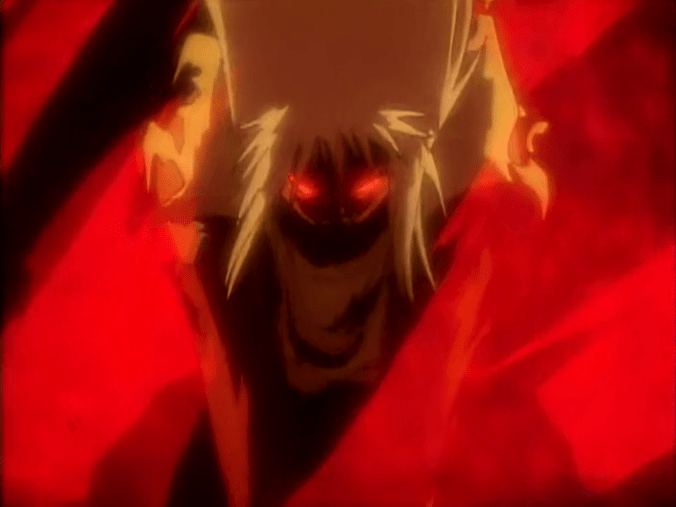
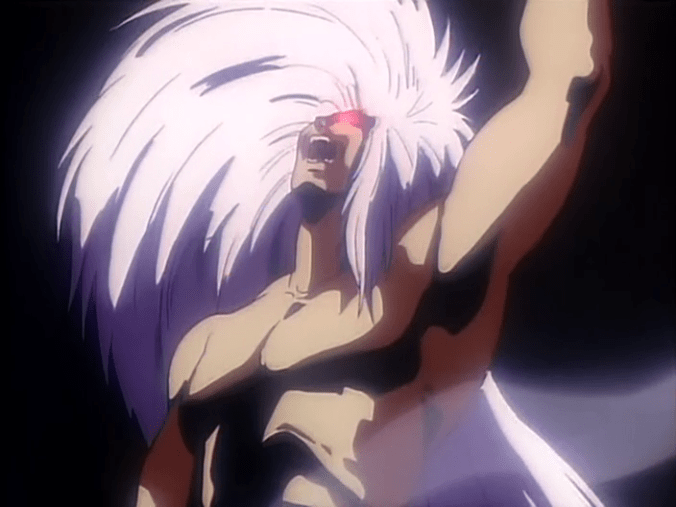
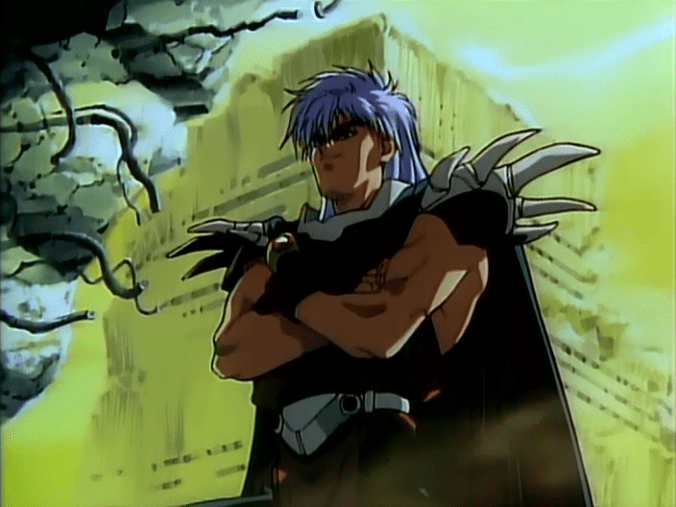
MANLY MONDAY – “Bastard!!” (OVA): When Shonen Jump met Heavy Metal

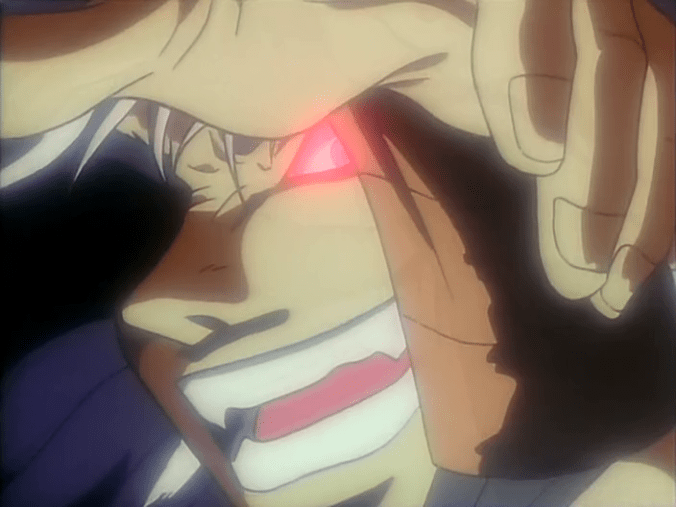
000

The Weekly Shonen Jump magazine is one of the biggest and most influential around the globe when it comes to manga and pop culture in general.

One Piece, Naruto, Dragon Ball, Yu-Gi-Oh!, Bleach, Jojo’s Bizarre Adventure and many, many more were published in the magazine, where they would gain worldwide popularity, critical acclaim and the love of millions of fans all around the globe. However, there are also the smaller ones that time has forgotten, even though they sold millions.

One of those is “Bastard!!”.

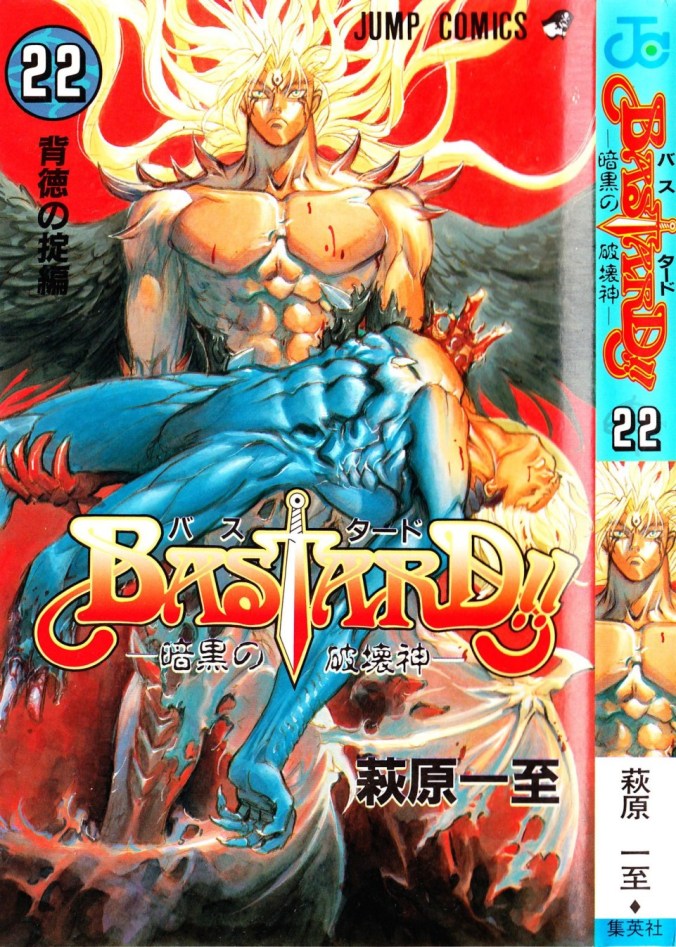
Bastard has been running since 1988 uninterrupted in Shonen Jump, then switched to the Seinen-oriented Ultra Jump in 2000, and continues today, making it one of the longest running series in the magazine. The series has about 30 million copies in circulation, which makes it one of the higher ranked manga series. (To give you a point of reference, Death Note is also at 30 million, Sailor Moon is at 35 million, and Haikyuu!! at 28 million.)

The Bastard manga doesn’t seem to have the same reach as the others in that league, but it still is a very interesting piece of media to look at, even if it may not be as popular as its contemporaries.

Instead of going through 31 years of manga, we will look at the standalone OVA series, which came out in 1992, and see what makes this 6-episode series a beautiful time capsule of the 80’s.

vlcsnap-2018-08-08-22h48m15s429

Bastard!! – Destroyer of Darkness!

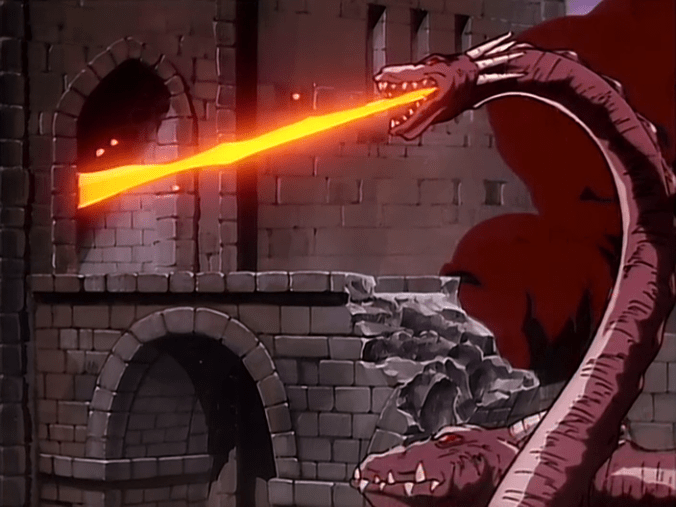
The high fantasy adventure story unfolds in the lands of “Metallicana”, where the four “Evil Lords of Havoc” are attacking the castle of the king. They have sent in the powerful wizard Osborn to attack the fortress with a gigantic Hydra.

vlcsnap-2018-08-08-22h49m22s933

vlcsnap-2018-08-08-22h50m47s178

In the castle, the magicians and knights are helpless. They are losing all their men, the damage done to the castle walls is getting worse by the second with this raging beast that cannot be stopped.

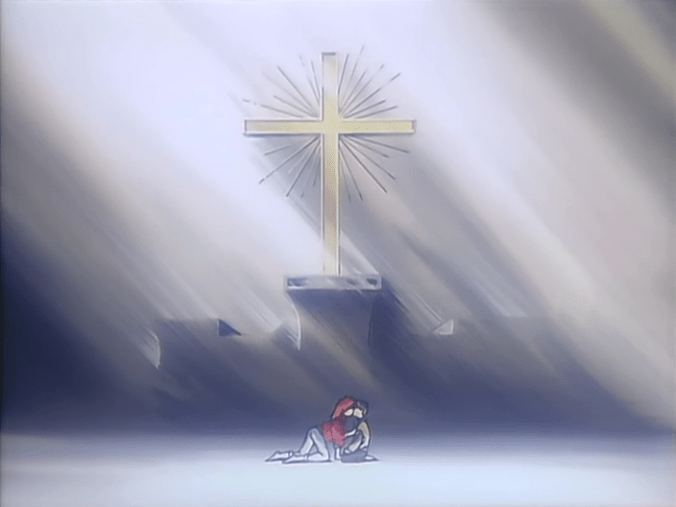
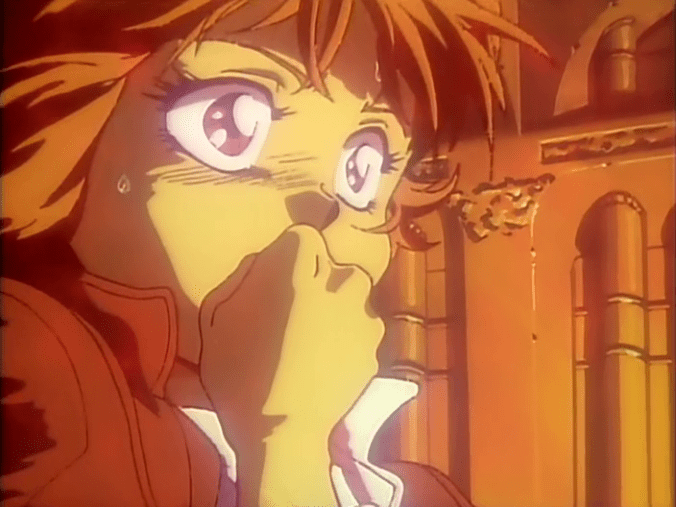
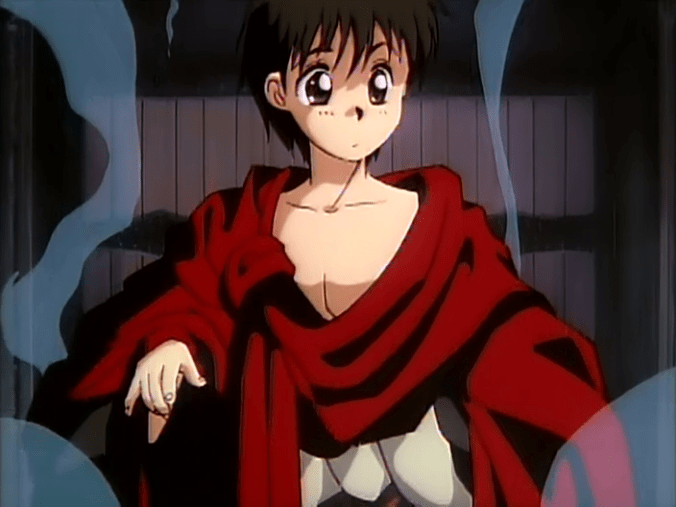
Somewhere in the castle, the young priestess Tia is told by the Great Priest that she holds the key to turning this desperate situation around: If she kisses her childhood friend Ruche, she will release the legendary wizard who was sealed inside him a long time ago. Reluctantly, she agrees – and promptly, hell breaks loose.

vlcsnap-2018-08-08-23h01m12s592vlcsnap-2018-08-08-23h02m10s065vlcsnap-2018-08-08-23h02m14s236vlcsnap-2018-08-08-23h02m16s742vlcsnap-2018-08-08-23h02m18s199vlcsnap-2018-08-08-23h02m34s926vlcsnap-2018-08-08-23h02m39s643

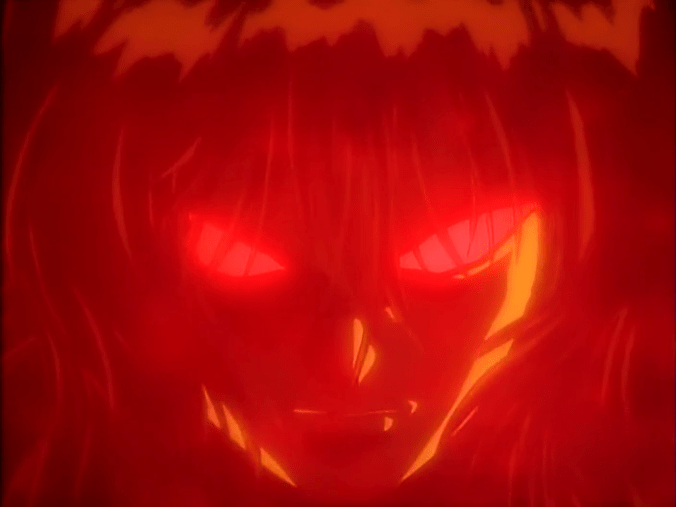
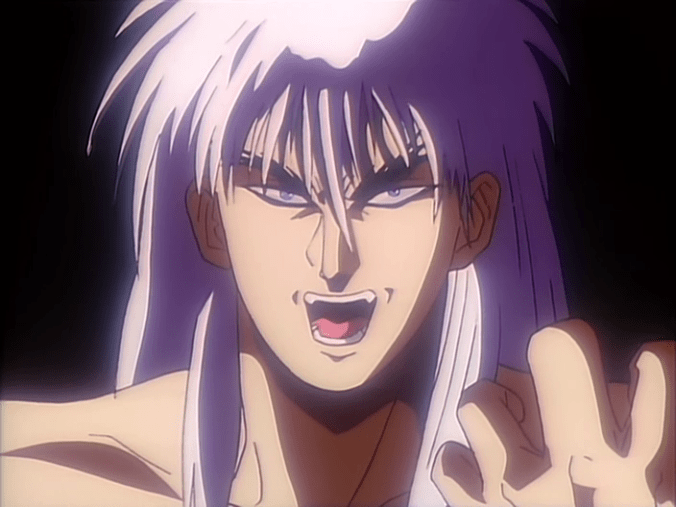
She has awoken one of the ancient enemies of the kingdom: Dark Schneider.

A powerful dark wizard and egoistic tyrant, who once belonged to the four “Evil Lords of Havoc” – they were once a team of five. And he is quite upset about having been sealed away for the last 15 years. He wishes to destroy everyone in his path and go back to being an overlord, but as it turns out, his host Ruche did more than just sealing him away: As he is using the young teenage boy’s body, he is changed by the empathy and friendship he had towards Priestess Tia – even if it’s just marginally, he cannot do her harm.

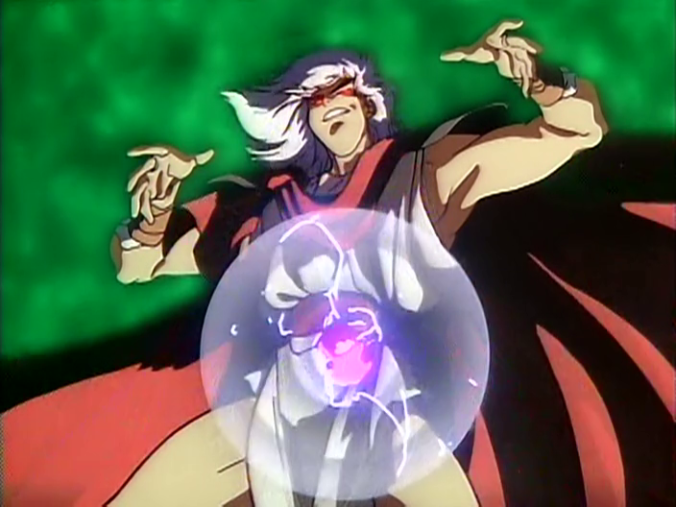
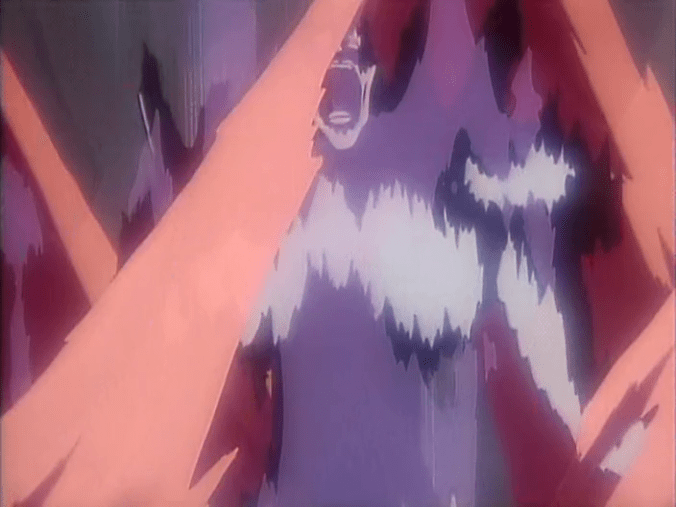
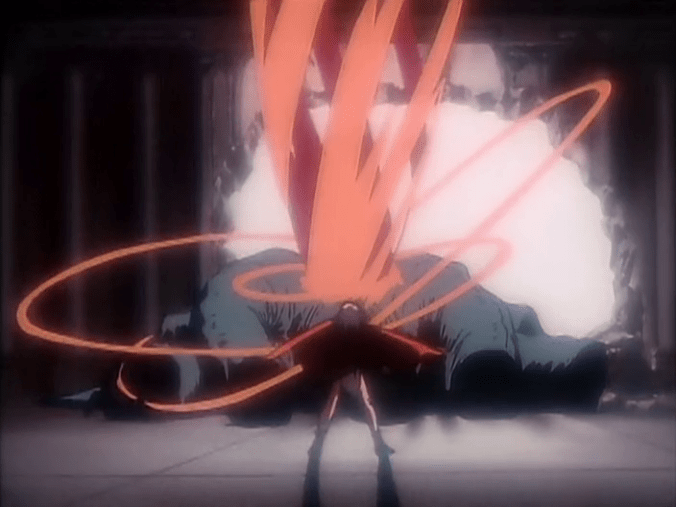
Meanwhile, the Hydra and Osborn arrive in the throne room, sure of their victory. As they spot Dark Schneider, they freeze: He was believed dead for the last 15 years, and now the old ally is back? However, Dark Schneider has had it with all this mayhem around him, and simply decimates the attackers with a dark spell.

vlcsnap-2018-08-08-23h08m56s441vlcsnap-2018-08-08-23h09m00s311vlcsnap-2018-08-08-23h09m04s442vlcsnap-2018-08-08-23h09m08s607vlcsnap-2018-08-08-23h09m10s151

The “Slayer’d” spell, turning Osborn into dust.

And so, the new Dark Schneider is back, slightly changed, and having feelings for Tia, the childhood friend he never actively met, but knows that she is important to him as a person. As the episode ends, he kisses her and thus accidentally turns back into his host’s form, Rushe, who has no clue what happened to him.

Tia and Rushe embark on an adventure together, to fight the four “Evil Lords of Havoc”, and stop their plans to destroy the world.

vlcsnap-2018-08-08-23h10m42s001vlcsnap-2018-08-08-23h10m50s580vlcsnap-2018-08-08-23h10m58s887vlcsnap-2018-08-08-23h11m00s806vlcsnap-2018-08-08-23h11m33s427 Episode 1 ends, the adventure ahead of them.
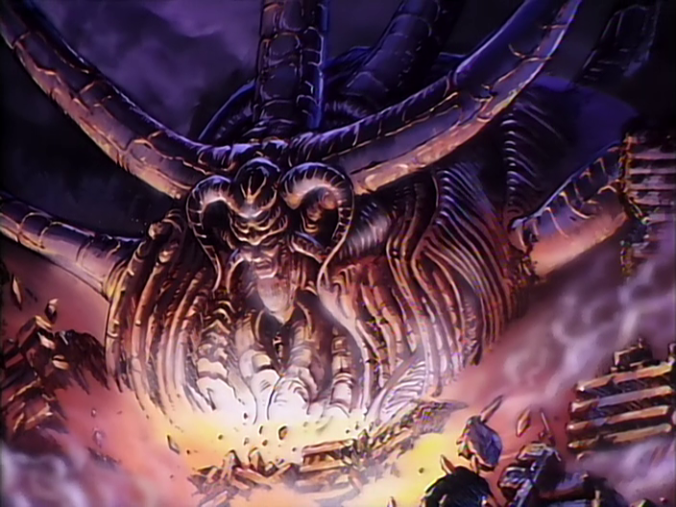
This is how Bastard begins, and immediately, three stylistic choices will jump at the viewer at full force: The very 80’s design, the high fantasy setting straight out of a Dungeons and Dragons session, and the abundant use of Heavy Metal references.

Triple the Style, Triple the Fun

I. Heavy Metal

Dark Schneider is a reference to German heavy metal singer Udo Dirkschneider, the country of Metallicana is pointing to Metallica, and Captain Bon Jovina at Bon Jovi. And it doesn’t stop here, there are 5 more episodes to go, we will meet King Di Amon (a vampire lord who wears Kiss-like facepaint), and other different dark magic spells, such as HellionBooryan Deado, Gunsun-Ro or the all-destroying MEGADESU.

(Depending on translation, the names might be changed to avoid copyright issues, the anime goes for example for “Meta-Rikana” instead of “Metallicana”, while my German manga copy left the name unchanged.)

Similar to Jojo’s Bizarre Adventure, another long-running Shonen series, the names of real life bands and singers will be used for characters, and this becomes its own brand of fun to ‘spot the references’. Some will be more out in the open, such as the castle of Whitesnake, but some more obscure, like the Dark Priestess Abigail.

However, it is not only a way to pay homage to a whole music genre, but it also weaves itself to the fantasy setting, which also had its influence in the metal genre.

II. Fantasy Aesthetics

One thing that I have to immediately point out, is the beauty of the world design, especially in its use of backgrounds.

This slideshow requires JavaScript.

Gallery of Backgrounds, swipe/click right to flick through

The hand-painted landscapes and architectural designs make the world grounded and graspable, and the different settings every episode make for new, unpredictable highlights of carefully crafted art.

Together with the grand scope of armies fighting, the world being in danger, and the heroes roaming the lands together, we get a grand, bookish feeling of worldbuilding. There is history and depth here, even in this short running time.

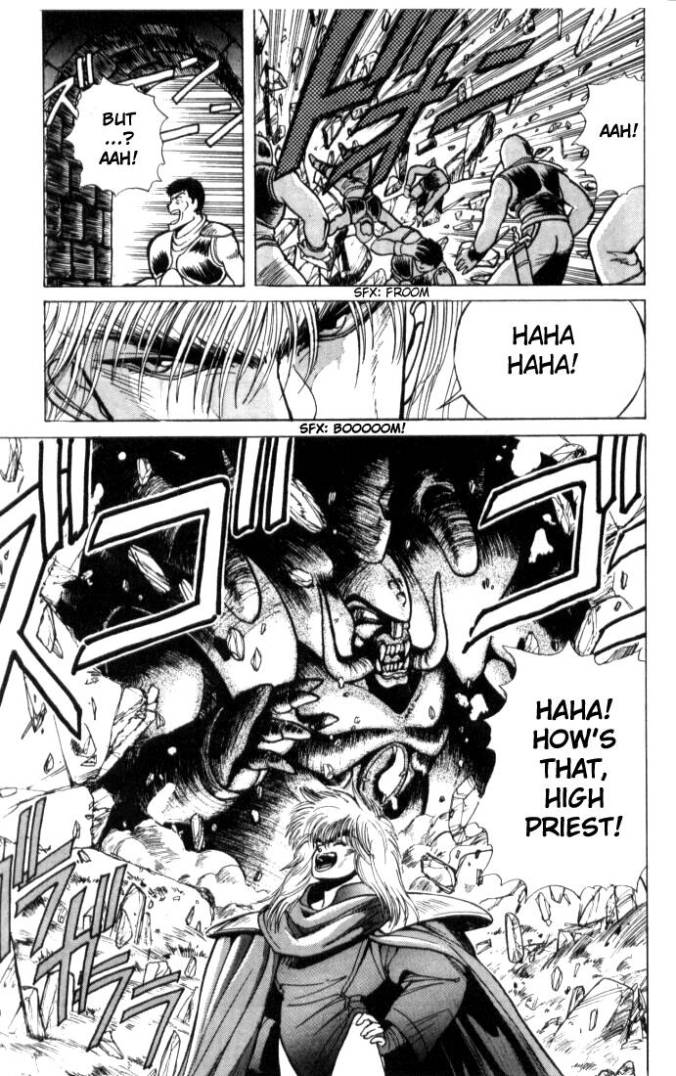
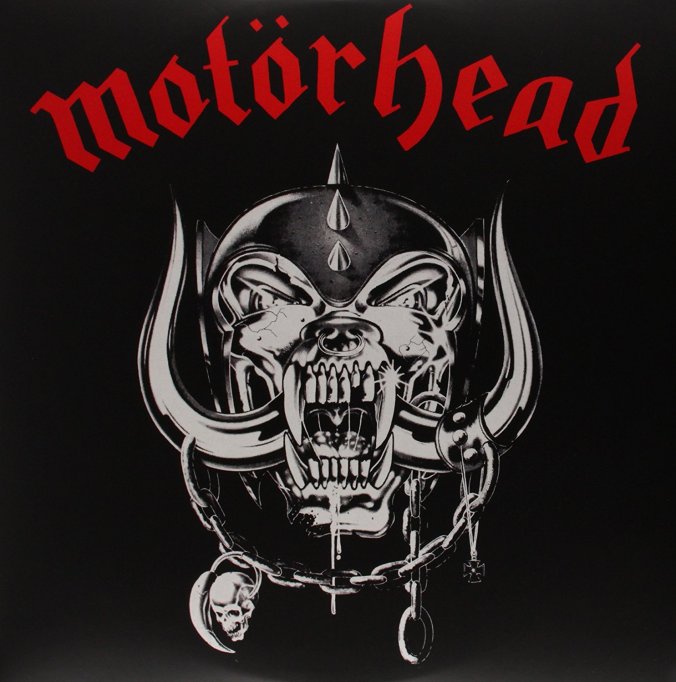
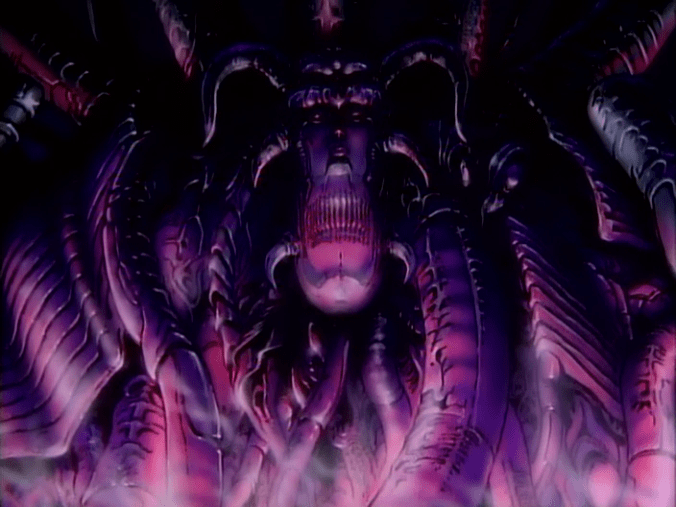
In addition, some heavy metal influenced designs will be found in this fantasy, for example the evil deity Anthrasax, which looks straight out of H.R. Giger’s mind (who had made NSFW album covers for Danzig, Tryptikon and Celtic Frost), or the (sadly manga-only) “Golem” that Dark Schneider summons, which strongly resembles Snaggletooth, the mascot of the band Motörhead.

vlcsnap-2018-08-08-22h47m44s083.png

vlcsnap-2018-08-12-16h42m23s824.png

The Giger God Anthrasax. (I personally suspect a mix of Anthrax and Saxon)

snag

Dark Schneider’s Golem…

snagmoto.jpg

…and Motörhead’s Snaggletooth.

III. It’s 80’s as heck

Bastard fits in with other 80s Shonen anime franchises, in all good and bad ways.

The protagonist is strong and powerful, and in addition, is someone who has a teenage boy as a host – but with no drawbacks. Even if Ruche can’t remember what Dark Schneider does when he takes over his body, it is never portrayed as something bothersome or negative: The contrasting example would be Naruto, who suffers under the demon sealed inside of him. And, of course, a kiss is the trigger to swap them both around, so romantic tension is always automatically given. The comedic banter between Tia and Ruche/Dark Schneider is also a highlight that is accentuated in goofy expressions and fast timed physical comedy.

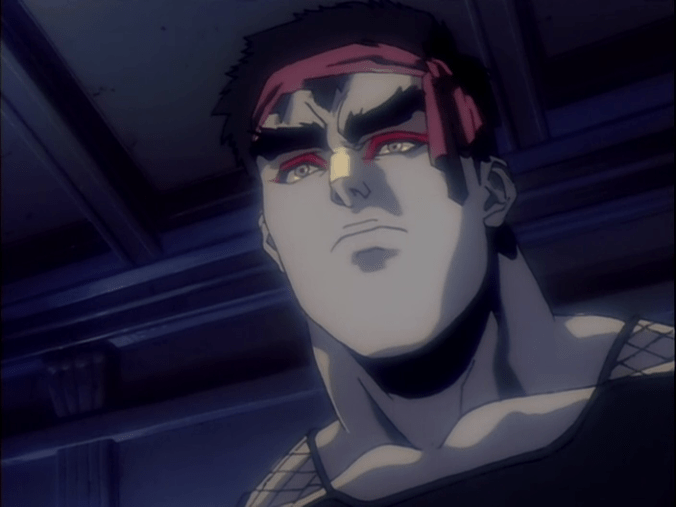
The other “good” way would be the OVA format: This anime did not run on TV, it was made for home release, and hence, it can go all out on violence and nudity. The additional short length makes for a condensed and straight-to-the-point experience without filler or downtime. Together with the late-80’s-early-90’s anime aesthetic, it is a marvel to watch, a true time capsule of this period. Big poofy hair, ladies in leotards, muscular protagonists, very ugly and very evil demons, metrosexual heroes – shoutout to my personal favourite character in this whole OVA, the Ninja Gara, who wears a black fishnet t-shirt and absolutely stunning red eye shade.

vlcsnap-2018-08-09-13h38m09s764vlcsnap-2018-08-10-14h25m11s181

The “bad” ways, so to speak, are the problems that can come with very early Shonen OVA adaptations: They are incomplete. Bastard is only 6 episodes long, but it seemingly adapts smaller arcs here and there, with only loose connection. One episode, a new hero will join the protagonists at the end of the episode, only to be completely missing in the next one. In addition – and here I found only minimal sources – it seems like 8 episodes were planned, and the last two were scrapped. One source suggests that this was because on of the “creators” (not specified) was arrested during production. But even with its open end, the OVA makes for a fun snack-sized Shonen watch that really trims the fat on all sides and polishes what is there to full brightness.

Yet, I must also point out some decisions in the story that would most likely not fly nowadays, most notably some character’s parental figures. Tia’s father is not the most supportive, the King and his high priestess daughter are equally rough, but the relationship between Dark Schneider and his adopted child Ashes Ney is the crowning debatable jewel in this 80’s treasure – which is never questioned and given quite some focus.

It will make for some uncomfortable moments, but as the layer of campy schlock is already so thick, it manages to lay low in the grand scheme of things. (Just listen to that wonderful ending theme!)

vlcsnap-2018-08-09-13h49m46s302

Conclusion

Bastard is truly “the 80’s condensed into 6 episodes of anime”, with all its up- and downsides. Not only makes it for a great throwback to another time in anime history, but also in Shonen Jump history, to see what was one of the big series back in the day. You can spot references and preferences in retrospect now that you are looking back from the future: The Jojo’s Bizarre Adventure-like way of naming characters, the evil antihero with his gory fighting style that is reminiscent of Devilman, or the Dragon Ball Z style wizard fights of flying around and flinging energy blasts.

Although Bastard is still around, it is far away from the reach it once had, and has changed its aesthetics and focus radically, being more ecchi-focused than aiming for the grand high fantasy stories of rivaling countries, all out war, and armies of good and evil.

If you like this time period in anime history, I highly recommend checking it out, purely for the stellar art and animation, and then for the wonderful pulp story that has its own  rough charm. It watches very quickly, so enjoy a great time with this little overlooked gem!

DHCVWAtXsAETClz

The End.

Sources: Entries on “Bastard!!” on Wikipedia, ANN, and MAL.

MANLY MONDAY – Golgo 13 (TV): First Impressions of a Sniper’s Life

vlcsnap-2018-04-22-23h55m20s777

The Golgo 13 series has been one of the longest running manga series of all time, first published in 1968, and still being going on today without a break. Artist Takao Saito is still drawing the series, and even with his over 80 years of age, he is still keeping up the schedule and the series he had created.

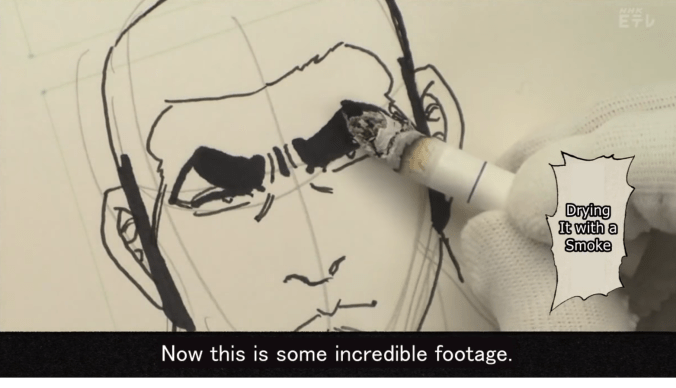
He has a fantastic drive and creative spirit, and if you wish to see how he does his work, I highly recommend the “Manben” documentary series, where his work process if recorded and commented by himself. For example, he uses his own cigarette to dry the white-out spaces on the page. To the question if he has burned the page before, he simply answers with “Yes, many times.”

manben2.png

A technique as rad as his own drawings. (Source)

And of course, his works have been adapted many times, into films and TV series of all sorts.

Golgo 13: The Professional (1983) by acclaimed and beloved director Osamu Dezaki is a fantastic way to enter the franchise, as it tells a self-contained hard-boiled story of a family drama that professional sniper “Golgo 13”, or Duke Togo as he calls himself, gets pulled into. This film is also widely known as the first anime to ever use CGI in its animation, and it truly is something to marvel at how far we have come. Seeing the 2D and 3D segments clash is simply astonishing, especially since Dezaki’s directional style is very aesthetic and precise in its framing, which is then broken with a free camera moving low poly helicopter scene. I recommend this film to anyone who enjoys a good adult crime or spy thriller, and to fans of the medium for Dezaki’s superb style, action and framing.

While the film is fondly remembered and often discussed, there is another adaptation that I wish to talk about. The 2008 TV series, simply named Golgo 13.

This series spans 50 episodes in total, I have now seen 8 episodes and want to give you my first impressions.

vlcsnap-2018-04-23-00h22m29s104.png

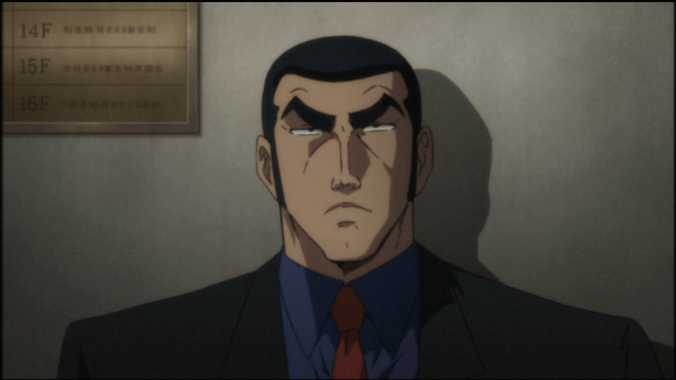
Duke Togo is a professional sniper, the best in the trade. He works under the codename “Golgo 13” and practically no information is given about him: we don’t know his age, his nationality, his background or anything else. All we have is a stone-faced hitman with no internal monologue – we cannot see inside his head, neither the narrator, nor the viewer.

Togo’s days seem to follow the same structure every time. He is called by a client, he is told his mission, he starts preparing, he shoots said target, and then disappears as silently as he arrived. He gets a job, then he gets the job done. As simple as that.

While this may sound monotonous on paper, it’s the execution and variation that makes this series.

Maybe Duke will be caught halfway through the episode, and the rest is just him trying to escape the police’s grasp with mindgames. Or maybe, his client falls in love with him, so he needs to deal with this inconvenience. Or maybe, Duke is supposed to interrupt a weapon’s deal from happening.

vlcsnap-2018-07-19-20h32m10s645.png

Duke Togo. The man, the mystery, the person with the single most permanent scowl.

Essentially, Golgo 13 excels in the creativity of its cases and how these are framed. As a sniper, the main goal is not to kill some, it is to shoot somebody or something. And these can range from killing a corrupt politican, to killing a yakuza boss, but also towards shooting a violin string.

A violin master is humiliated during an important concert when one of his strings snaps. As this string is vital for the performance, he cannot play anymore and is booed off-stage. When he hears that one of his most hated rival musicians is supposed to replace him, he wants to humiliate him just the way the audience did back then: Duke is supposed to shoot the fourth string of his violin during a concert. With everyone watching. Without the musician noticing that this was sabotage. And the whole episode is dedicated to this music feud and Duke figuring out on how to do such an impossible job – planning, observing, gathering tools and then executing this complicated plan.

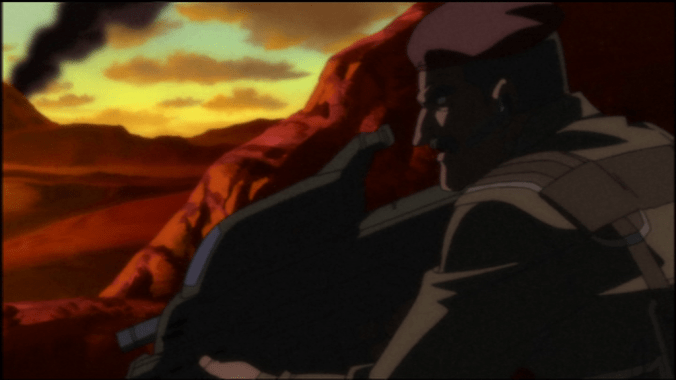
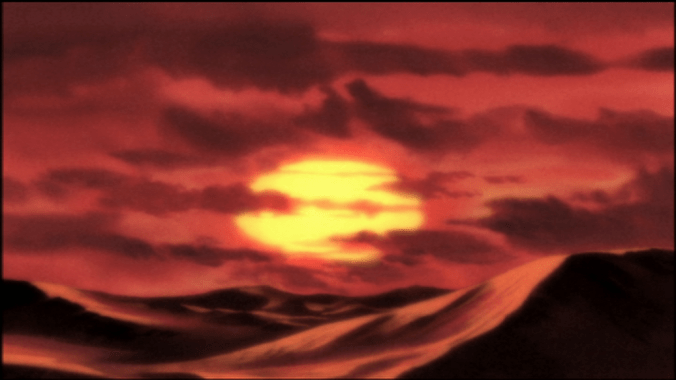
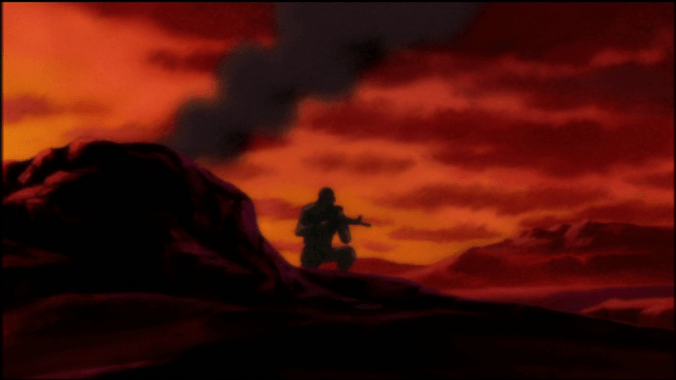
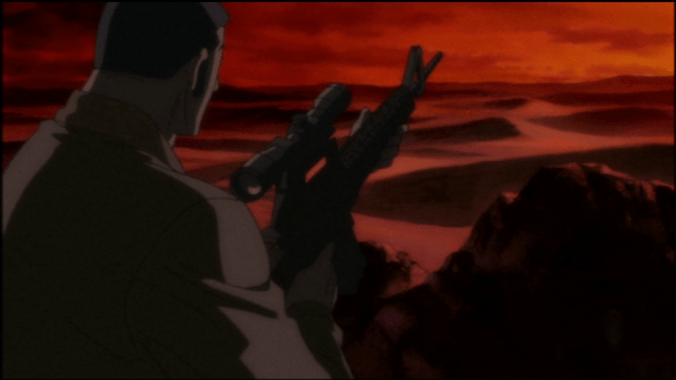
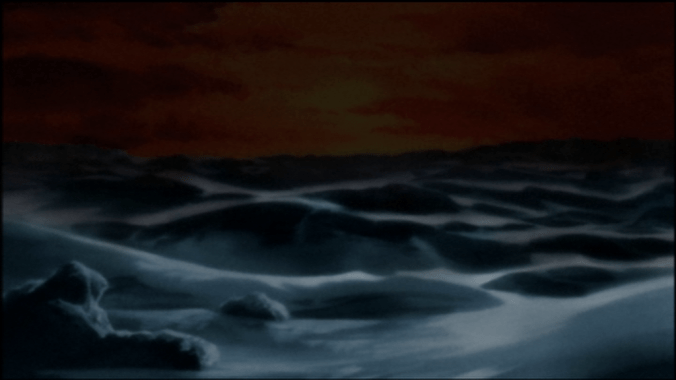
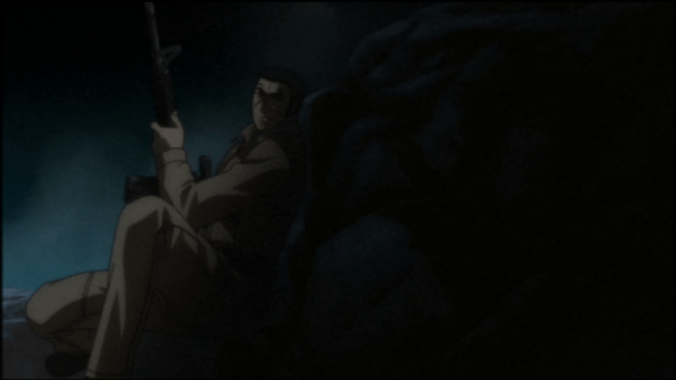
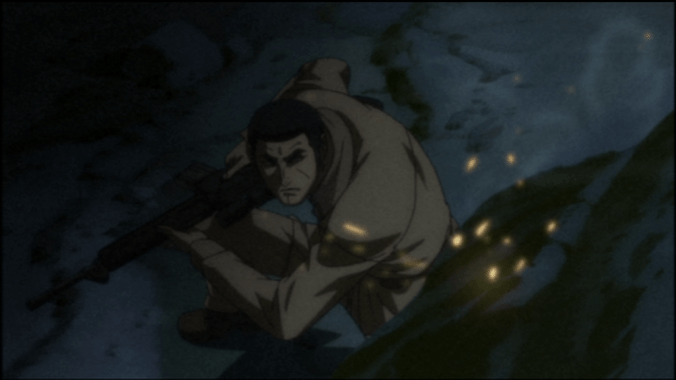
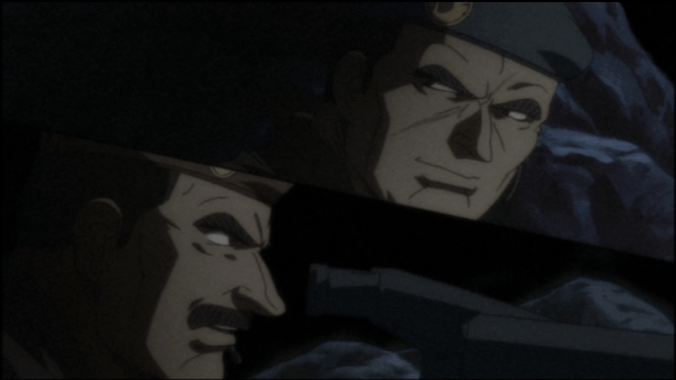
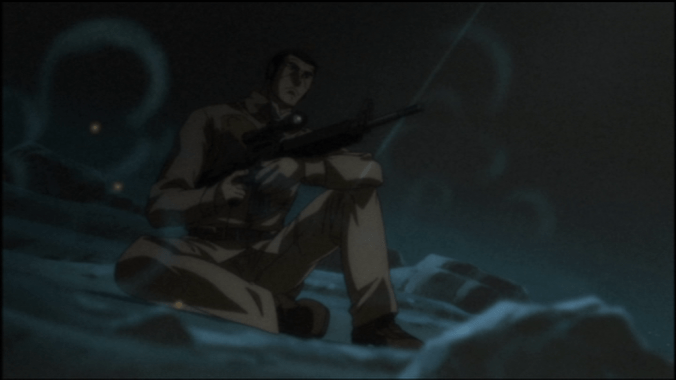
In another episode, Duke must fight again two ultra-modern military snipers in a desert, which slowly unfolds in a delicate and deadly game of hiding and seeking in the sand. And as these episodes tend to be quite slow and careful in its depiction of a sniper’s work, the surroundings can shine with their beautiful designs and atmosphere.

vlcsnap-2018-04-24-00h01m06s610 - Kopie

vlcsnap-2018-04-24-00h01m26s016

vlcsnap-2018-04-24-00h01m36s654

vlcsnap-2018-04-24-00h05m53s009

vlcsnap-2018-04-24-00h06m50s529

vlcsnap-2018-04-24-00h07m38s027

vlcsnap-2018-04-24-00h07m39s703

vlcsnap-2018-04-24-00h09m31s510

vlcsnap-2018-04-24-00h10m10s023

vlcsnap-2018-04-24-00h11m05s077

The battle goes far into the night, and the colour work is fantastic.

For a sniper, the surroundings are essential to their work, making a shot possible or impossible, so it is extraordinary to see how much care the Golgo 13 TV series puts into those. They may not be of the highest quality or most elaborate architecture, but the backgrounds and setting make everything grounded and easy to grasp.

But a world is nothing without the characters it inhabits. And here, Golgo 13 has great fun in its episodic structure, always building a little microcosm of relationships and people to visit. And this is where Duke Togo shines.

Looking at this unit of a man, one might think that he is an emotionless killer machine who just does his job and nothing else. Here is where this initial impression is wrong: By pairing him with different foes and friends to play off of, his deadpan attitude and seemingly emotionless face achieves either strong respect or a blissful comedic status.

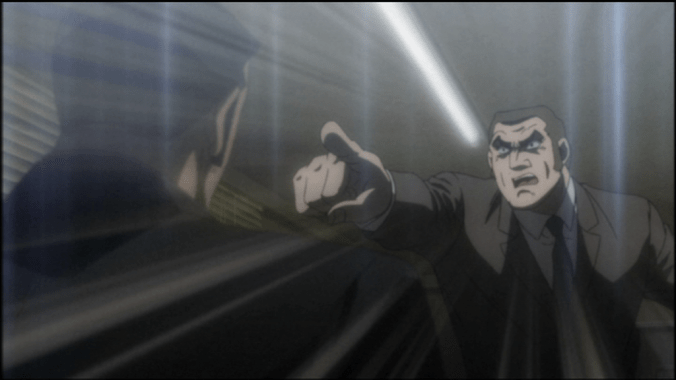
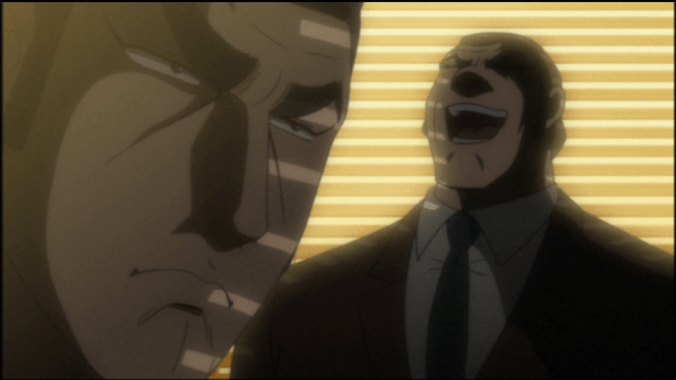
Especially in one episode where Duke gets caught after an assassination by an equally bearish police commissioner, who is dead-set on arresting Duke. The whole argument and trying to unmask him as the true culprit feels similar to a bonkers court case, where evidence and testimonies are thrown against each other in rapid fashion.

vlcsnap-2018-07-19-22h15m41s135

You!

vlcsnap-2018-07-19-22h12m55s814

Duke Togo’s unmoving face truly is the best.

And so, this stone face becomes one of the greatest assets of the series, be it as a comedic reaction, an expression of repressed melancholy, or maybe even something more enigmatic when Duke gets entangled in romantic or life-threatening situations. And if you see his face move, be it just a twitch of the eyebrow or a silent drip of sweat running down his temples, you know that the situation is drastic.

Those rare moments really make for a nice treat, and so, Golgo 13 delivers its emotional core just a bit differently – but to great effect.

Conclusion

Of course, giving a final rating to a 50-episode show after only 8 episodes is nonsensical. However, the direction it has taken looks absolutely entertaining, and reading from other reviews, the series is not dropping its episodic structure. And so, we will get 50 little adventures in the life of Duke Togo, the sniper called “Golgo 13”.

If one looks at the staff list, we find 20 different episode directors, and maybe this is also why everything feels so fresh every time: Many different creators telling stories about the same man, all from different angles and perspectives.

Will he win every time? Sure he will, he is Duke Togo – one of the best marksmen in the world. He has done this job for over 50 real-life years now. Many stories, many cases, many clients – and yet, he continues with that unwavering face of his.

And this is what made this show a very comfy watch for me, something lovely to put on in the evening to relax. The slow preparing and planning of his jobs, the certainty that all will go well, but mixed with that light suspense of not know exactly “how”. The creativity and the wonderful execution make this simple concept shine, and I can’t wait to continue watching this series. Will it be funny, will it be dramatic? Who will he fight against, the FBI, the yakuza, or just a private person? We can only find out by taking more short but serene glimpses into the life of a Duke Togo, the sniper called “Golgo 13”.

The End.

Sources: Manben Episode “Takao Saito”, Wikipedia, AnimeNewsNetwork & MyAnimeList “Golgo 13 (TV)”

All images are taken from my French release DVD.

MANLY MONDAY – Lupin III Part IV “The Italian Adventure” TV Series – (Review and Episode Recommendations)

lupins 2015.jpg

In one of my latest Manly Mondays, I talked about the Lupin III films by director Takeshi Koike, and how the hardboiled tone really fits the series.

As already mentioned in that article, the beauty of the now 50 year old “Lupin The Third” franchise is that it comes in many shapes, zeitgeists and forms: long running TV series, big cinema releases or short-running experimental shows.

Koike’s films in 2014 and 2017 were intended for a mature audience, given the depiction of violence and intensity of the themes it portrayed, and director Saya Yamamoto’s entry in 2012, A Woman Called Fujiko Mine, was equally adult – yet with a different focus as it explored sexuality and identity of the long-established characters.

However, Lupin III had always long-running TV series as a main focus, which were split into “Parts”. In addition, each of these Parts had a different suit jacket colour for protagonist Lupin to wear, so that it was immediately clear from the first glance which series you were watching: Part 1: Green Jacket (1971-1972), Part 2: Red Jacket (1977-1980), Part 3: Pink Jacket (1984-1985).

Each “jacket colour” is also unique in feel and tone, I highly recommend checking some episodes out to see what you might like the best. As these series are very often of episodic nature, you may pick and choose to your heart’s content.

And in 2015, a new TV series came around – Part 4: Blue Jacket (2015-2016).

Let’s take a look at this new series in retrospective, what did it do and what was added to the long-running legacy of the franchise?

lupin2.jpg

A Love Letter to Italy

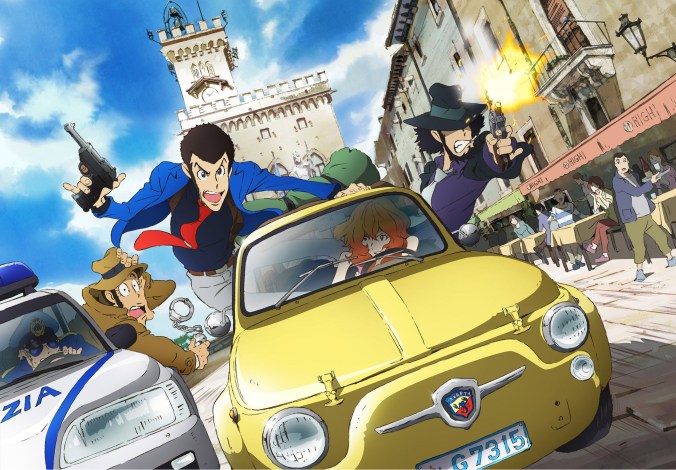
The story of Lupin III is very much grounded in the usual set-up: Lupin is a thief, roaming the lands with Jigen, his gun-slinging friend, in a tiny yellow Fiat 500, where they will be entangled in all sorts of adventures. On this journey, they will be supported by Goemon, a friendly yet stern samurai, and Fujiko Mine, a rival thief and love interest to Lupin. They are constantly chased by Inspector Zenigata from the ICPO, whose only goal in life it is to finally bring Lupin behind bars.

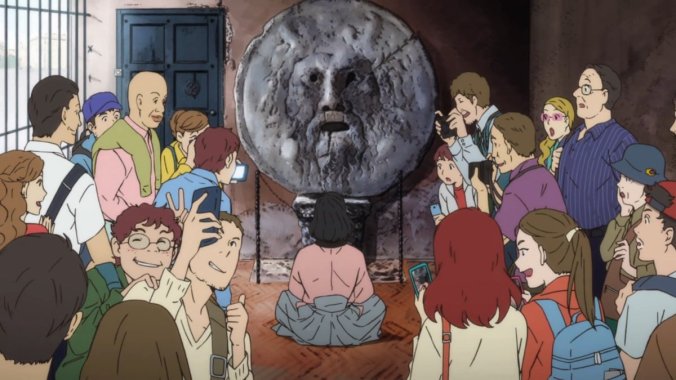
Lupin III Part 4 “L’avventura italiana” takes place, as the title says, in Italy, which makes for a gorgeous setting. The Mediterranean feeling with the sunny, bright lighting is always is a beautiful sight, and as the team has to flee and chase very often, we see a lot of Italy – the countryside, the beaches, the castles, and old inner cities.

city

goe castle

Dgzvjv-WkAEjVqs

Dg75pVHXkAAhD__.jpg

Apart from the usual sights and landmarks, the care that went into the details is astounding: euros are used throughout as currency, license plates are in the European style, and even newspapers, signs and police cars are in Italian, really selling the setting as a graspable place to be. In addition, Part 4 aired in Italy before it did in Japan, which is unusual, but fitting for this series, as Lupin III enjoys its cult status in this country.

New Friends and Foes

88c52a5142354d12ba114dbf38ce9285.jpg

Part 4 brings some new additions to the usual cast, most notably Rebecca and Nix. It’s difficult to introduce new characters to a web of already established relationships, but this series manages it quite well.

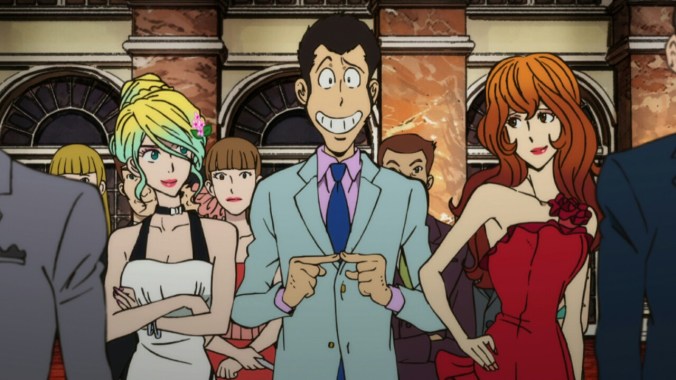
Rebecca Rossellini is a rich, spoiled, but quirky and fun girl with green-yellow hair, who has an acting career, a financial empire and good looks. Having lost her parents and now the sole heir of the conglomerate, she seeks thrills in her perfect life, things she cannot buy with money.

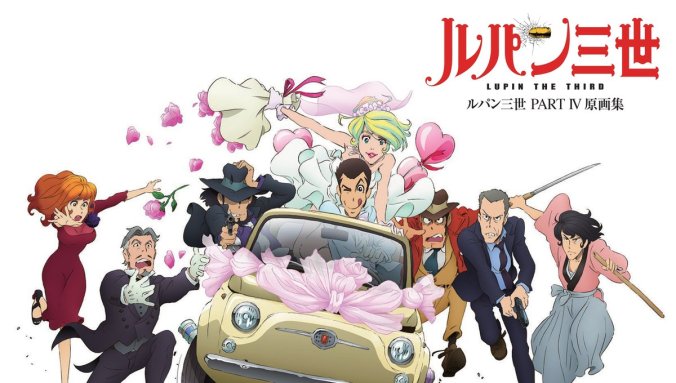
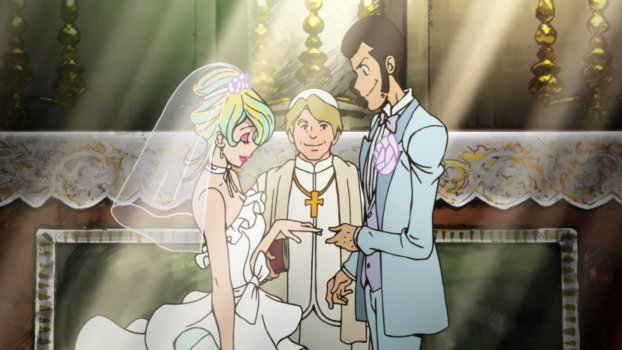
Lupin makes a marriage proposal to her, and surprisingly, she agrees – and after less than a month, they are standing in front of the altar. It turns out, of course, that this was all an elaborate plot by Lupin to steal a certain treasure, however, all the paperwork for the marriage already went through: Rebecca has become Ms. Lupin. What should have been a short scam turns out to be more complicated, and Lupin is officially married now – it will be one of his main goals over the course of the series to get Rebecca to sign the divorce papers.

But this creates an interesting love triangle with Fujiko Mine, as well as a thematic clash of femininity: Rebecca, the fun, young and quirky girl on one side, and Fujiko, the classy, mature and experienced woman on the other side. And while they are not explicitly fighting over Lupin, the banter, conflicts and hijinks that ensue are quite fun, even from Jigen and Goemon’s side who both cannot believe that Lupin is a “husband” now.

lupin3adultswim.jpg

Time to decide, Lupin!

Rebecca makes for a fun rival/romantic interest, but she is not universally present in every episode, nor does she have major influence on the complicated main story.

For me, it was the other new character that I was very fond of:

Nix, a British MI6 agent. He strictly follows his orders and thus has a few run-ins with Lupin’s crew, eiter because he actively has to fight them, or because their paths randomly cross.

nix.jpg

Agent Nix. (“Nix” being colloquial German for “Nothing”, not sure if intended.)

His design was a standout for me: the short slightly military-tinged haircut, the stern look, the wrinkles that give his face age and character, and especially the pointy ears (which serve not only an aesthetic purpose!)

While Nix seems like an uptight and efficient spy who doesn’t do anything besides following orders to 100%, more and more details about him will be revealed over the course of the series, and in the end, I was immensely happy to have him in this series.

As it turns out, Nix has problems to keep his emotions under control, and is often in danger of “snapping”, which might be hazardous for everyone involved. When his missions carry out well, he stays calm, but if he fails or a loved one is in danger, hell breaks loose. Nix is not only a spy, he is also a family man, with three cute daughters and a strong wife, so may God have mercy on your soul if you ever intend on hurting his family.

Nix carries emotional weight in his job and in his private life, and his role of being a responsible father clashes with his dangerous profession. He is a well-round character with a slightly tragic side too, but his likability and his switching between “deadpan serious” and “full on burning rage” serves for impressive, as well as funny moments within the story.

lupin-iii-part-iv-vol-6-468053.2.jpg

Nix, a great rival for Lupin.

As Nix is an important character with a lot of action segments and character acting, he gets some amazing animation cuts in Part 4, for example this cut by Shinya Ohira, where he fights a rebel spy. The unusual artstyle break and the pencil shading outlines give Nix’ actions visual power and strength.

Story and Standout Episodes

The story of Lupin III Part 4 is not the tightest, as not all episodes are here to drive the main plot forward. It is episodic, with an “Adventure of the Week” format, where you can enjoy every episode on its own, and occasionally be reminded of the big scheme in the background. The story goes off the rails somewhat to longer it goes, with some pretty incredible story twists and introductions, but it is all in good fun, as the strong cast can hold any outlandish plot together. The season finale might not have the biggest impact, but a nice ending overall.

However, there are some episodes that are able to absolutely stand on their own. If you want to get a taste, or if you simply want to visit the highlights this series has to offer, here is a small selection from my personal experience:

Themarriageoflupiniii_1

Episode 1: Lupin’s Wedding

“Rating”: Give it a Try!

Obvious choice to take the season opener, but this episode is a great character piece, with Lupin’s and Rebecca’s wedding and the controversy it causes with Fujiko, Jigen and Goemon. In addition, the animation is top-notch and delievers movie-quality action scenes to establish Rebecca’s character. A fun intro to the series!

img_30_m.jpg

Episode 3, 7 and 19: 0.2% Chance of SurvivalThe Zapping Operation and Dragons Sleep Soundly

“Rating”: Give it a Try!

Three episodes for Agent Nix, one being his introduction to his character and his skillset, being on par with Lupin and Jigen, and the other episode to show his family side and the caring father that he is. The third episode however takes a very dark spin on the spy business, with harsh violence and great danger to the protagonists. It makes for a strong tonal break that is worth checking out, if you are interested. (Keep in mind though that his episodes are more intertwined with the main plot and are not “pure” standalones!)

img_3344.jpg

Episode 13: The End of Lupin III

“Rating”: MUST WATCH

The mid-season finale and the episode that deeply touched me emotionally. In a surprising twist of events, Zenigata catches Lupin. Now that he has achieved his life goal, he gets a new goal: Keep Lupin behind bars. By removing the rest of the cast and only leaving Lupin and Zenigata in a 1-on-1 theatre piece in prison and total isolation, it goes far into the relationship of the two rivals.

I was highly impressed by this episode, and I would recommend it blindly to absolutely anyone.

DgDxdt0XcAAVp7n

Episode 16: Lupin’s Day Off

“Rating”: MUST WATCH

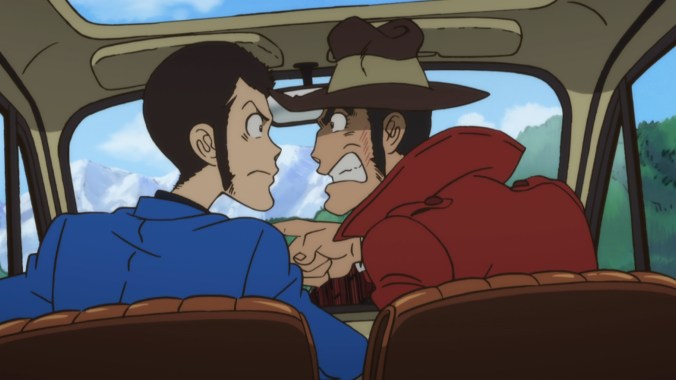
A simple premise: Lupin, Jigen and Goemon have a day off, so they book a table at a fancy sushi restaurant. They have to arrive at 6 PM, and it is only a short drive through the countryside to get there.

This episode is slice of life beauty with perfect comedic delivery, and how much a simple idea can escalate into madness. This one had me in stitches, from the fast action to the quick jokes. A jolly good time of an episode.

1516610431894.jpg

Episode 20: To Hear You Sing Again

“Rating”: Highly Recommended

A melancholic episode that I don’t want to spoil too much of. It is the story of an old Italian diva and her husband, and how long such a love can last through all the ages, through the good and the bad. A touching story that may move you to tears.

1646249_English_KeyArt-OfficialVideoImage_88e80ffd-4ba2-e711-8175-020165574d09

Episode 26: Nonstop Rendezvous

“Rating”: ABSOLUTE MUST WATCH

This second special Bluray episode, sometimes called “Episode 26”, serves as a prequel to all of Part 4 and is an all out action romp with everything you could wish for: Fun character interaction, high-speed chase scenes, action shenanigans and full on physical comedy of the first degree. It reminds me of other amazing car chases I have only seen in films so far, and it will have you thoroughly entertained! The last few minutes may be a bit slow, as it only serves as a lead-up to Episode 1, but everything before that is pure fun and the essence of Lupin III comedy action.

Conclusion

Lupin III Part 4 was a good time, and especially cosy to watch over a long time, basically like it aired, one episode per week and going faster if you feel like it. Not all episodes are stellar, some are outright bland, such as Episode 15 where Lupin infiltrates a high school to simply fight against bumbling teachers, but overall, I had a splendid time with a few amazing highlights.

If you want to get into the Lupin III franchise, I would maybe recommend other films instead, (The Castle of Cagliostro, The Fuma Conspiracy or Jigen’s Gravestone) as you may already need a bit of a grasp on who all these characters are, before you see them interact with newer ones. I’m still happy about the introduction of Nix, I hope that he may return for the next currently airing Part 5 in 2018.

The Italian adventure makes for a comfortable series to watch as a mood piece, to just see the cast hang out and enjoy themselves, with some great action sprinkled in here and there. It’s not the best of the franchise, but a very solid entry that you can check out if you want to – and if not, you can enjoy the standalone episodes I recommended to you as short film snacks.

Overall, I’m happy that I watched it, and I look forward to more adventures of the wonderful Lupin III cast.

end.png

The End.

Sources: Wikipedia “Lupin III”, MyAnimeList “Lupin III Part 4”

MANLY MONDAY – Riki-Oh: The Wall of Hell OVA

riki_oh_v01c01p003

The 80’s are a wonderful time capsule for media. It presents an aesthetic that is out of fashion now, but still beloved by the general consensus for its zeitgeist of the decade.

In this age, the manly, hypermasculine hero was the protagonist to have. Muscles, Justice, Violence and lot of Punching – this is the formula most of 80’s media pieces follow. Not only in films, with well-oiled Arnold Schwarzenegger and Silvester Stallone, between Robocop and the Terminator: The same goes for anime and manga, where “Fist of the North Star” and “Jojo’s Bizarre Adventure” were born and would take the world by storm. But many of these series are forgotten by time and widespread media, sitting still placidly in the 80’s, waiting for someone to come and look at them.
And this is exactly what we will do now!

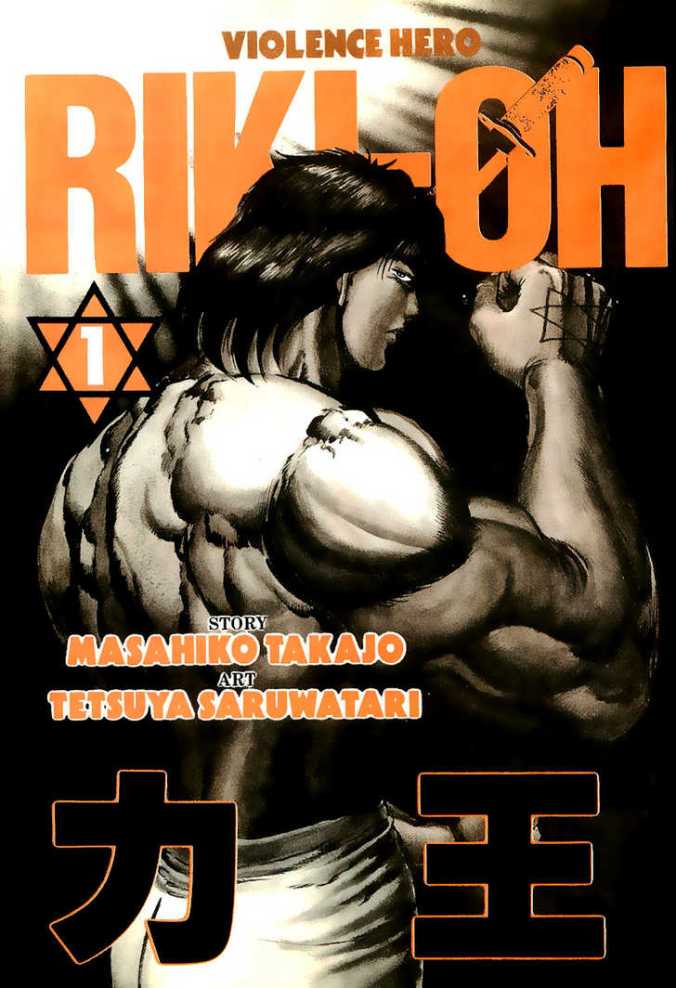
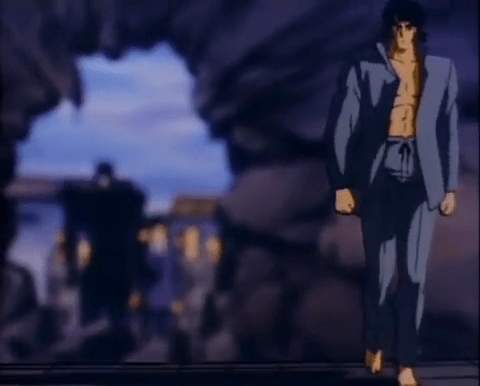
“Riki-Oh” is one of these series. Published in Buisness Jump, a Seinen magazine from Shueisha’s Jump family, this is a manga that has all the tropes you could wish for: dystopia, yakuza, martial arts, manlyness galore, and prison hell. The manga ran for 12 volumes, between 1988 and 1990. Two OVAs have been released, and a live action movie as well, that received a cult following for being an over the top, trash, silly gorefest with a lot of mindblowing practical effects. But this is a story for another day, we will focus on the first OVA, from 1989. Off we go!
riki 1.png

Story and Characters

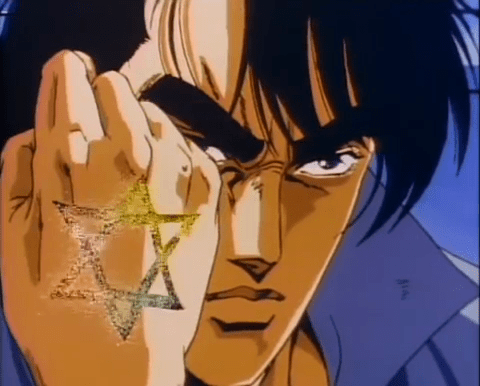
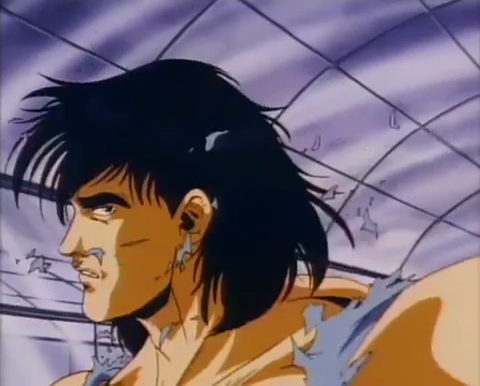
In a post-apocalyptic Japan, everything is awful. People are dying, injustice is roaming the streets and the air is polluted. In this dreadful world, Riki is one hard dude. A mysterious vibe is around him, he bears a star on his right hand, and he is insanely strong. After his girlfriend dies by the hands of the yakuza, he battles the man responsible, but gets caught while performing his revenge.

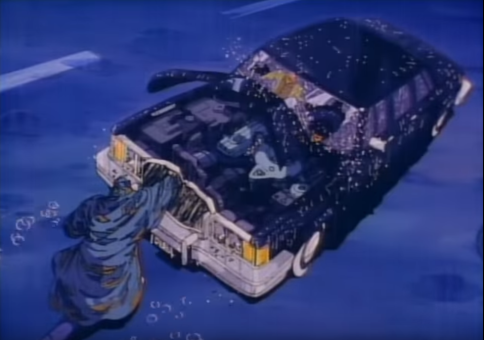
car.png

Screw your car!

Our protagonist finds himself in a Tokyo State Prison that is now privately owned. Injustice is a daily matter, people are hurt or killed, and life is hell. Riki makes some friends, but loses them to the cruelties of prison pecking order, and therefore, tries to take the bad guys down.

vlcsnap-2016-08-13-23h10m43s012

Prison life is not lovely.

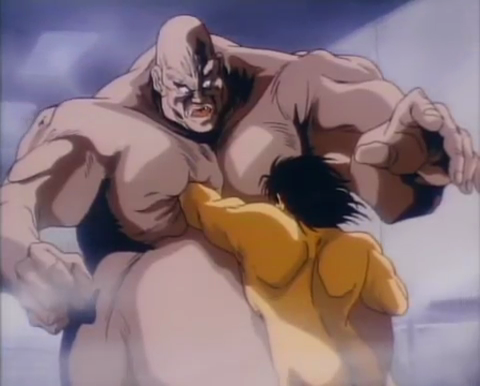
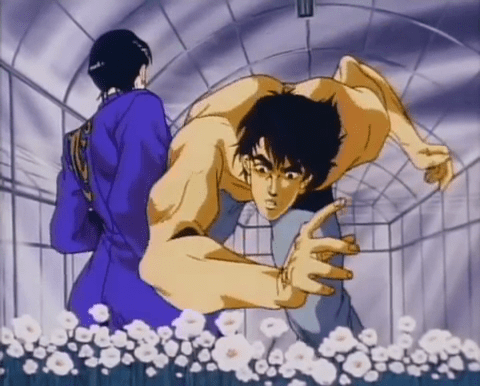
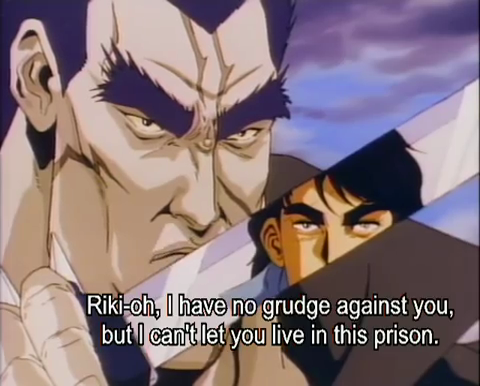
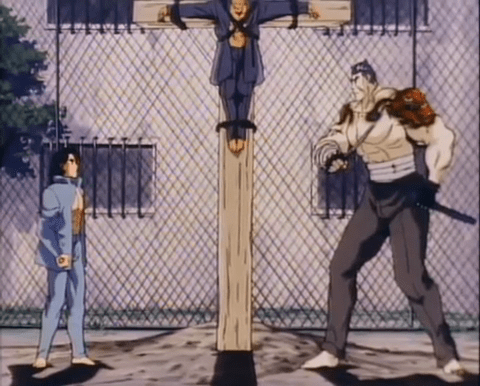
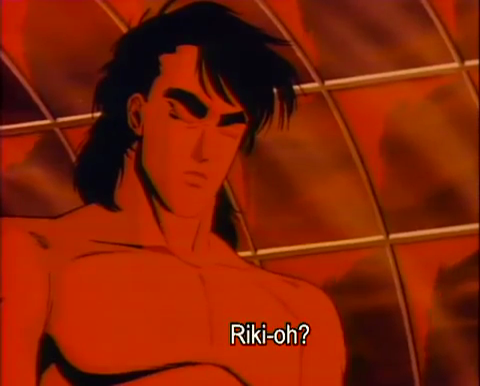
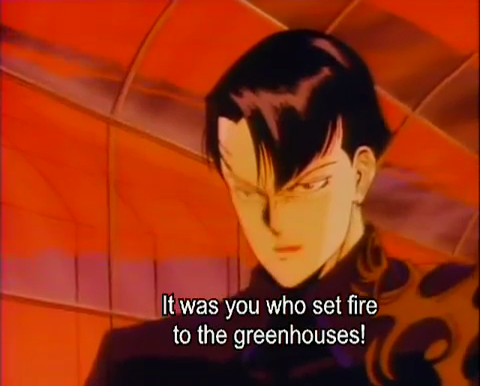
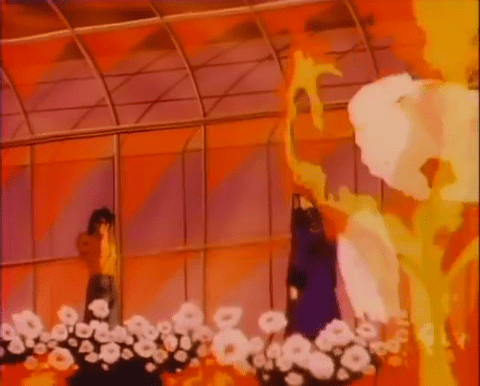
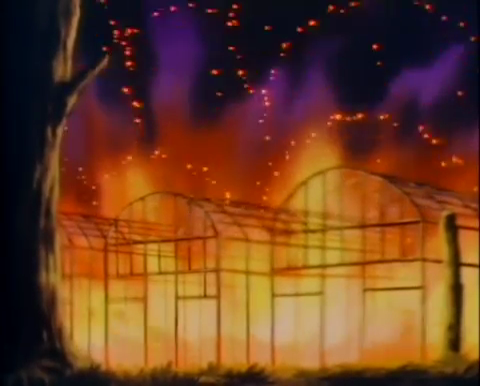
Everything escalates as Riki finds out that the prison is using the inmate’s workforce as a drug producing factory. He burns down the greenhouses and confronts the bosses of the prison, the chairman, his yakuza boss and their right hand fighter. More on him later.

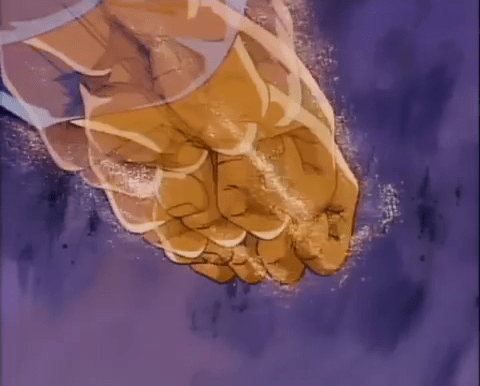
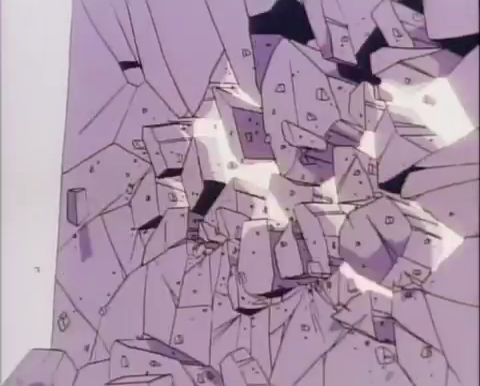
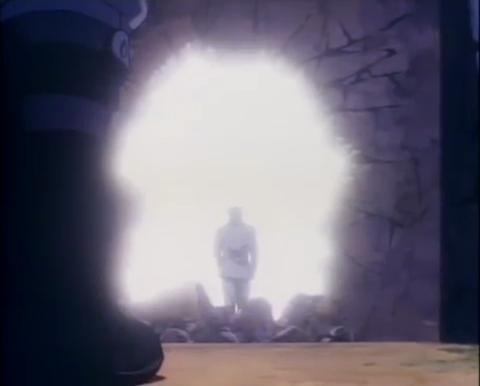
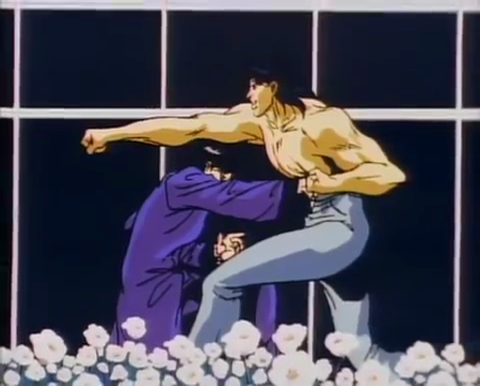
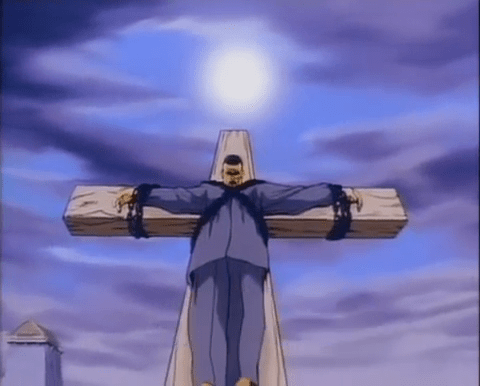
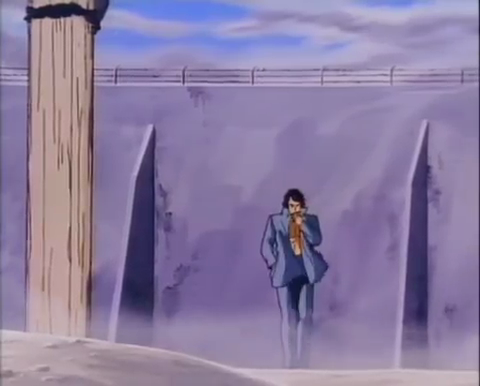
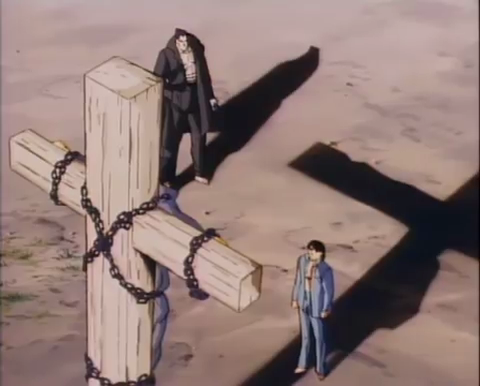
After a lot of violence, a prison riot, and people getting hurt, Riki punches through the prison wall and leaves, towards new adventures.

vlcsnap-2016-08-14-00h23m54s143

vlcsnap-2016-08-14-00h23m58s394

vlcsnap-2016-08-14-00h24m00s804

vlcsnap-2016-08-14-00h24m06s070

vlcsnap-2016-08-14-00h24m08s520

vlcsnap-2016-08-14-00h24m11s160

vlcsnap-2016-08-14-00h24m15s411

vlcsnap-2016-08-14-00h24m25s257

vlcsnap-2016-08-14-00h24m27s678

This is how you exit.

The story is streamlined and not as complex as in the manga, there is for example only one main prison fighter, instead of four, and characters are omitted, while others are changed completely. But it does not hurt the story, it becomes its own thing.

As you can see, the story is explained pretty fast, but it is not the main focus of the OVA anyway. When you watch Riki-Oh, you are here for the spectacle.

Artstyle and Visuals

There is no point in denying that this OVA puts a great emphasis on bodies and the presentation thereof. Given that the violence involves a lot of body horror, it makes sense, but the amount of half-naked men in a prison is through the roof. The hypermasculinity of the 80’s comes with a fetish-isation and cult of manlyness that ends up being so over the top that it becomes ridiculous. And I wouldn’t want it any other way.

vlcsnap-2016-08-13-23h17m37s357.png

Naked fight in a prison shower. Man gets punched in boobs. I never thought these two sentences go together.

vlcsnap-2016-08-13-23h58m16s079.png

Riki gets punched and his clothes explode, leaving him topless.

vlcsnap-2016-08-14-00h06m16s522

His sit-ups sparkle!

vlcsnap-2016-08-14-00h03m26s885.png

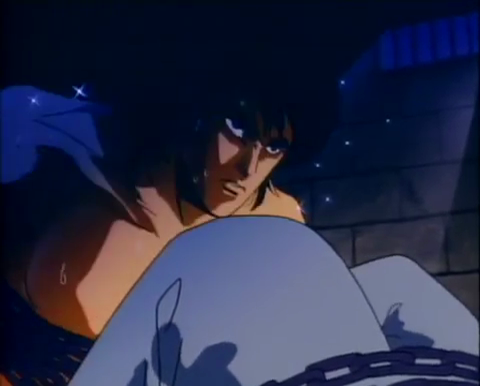
Naked Riki is in chains, BDSM undertones included.

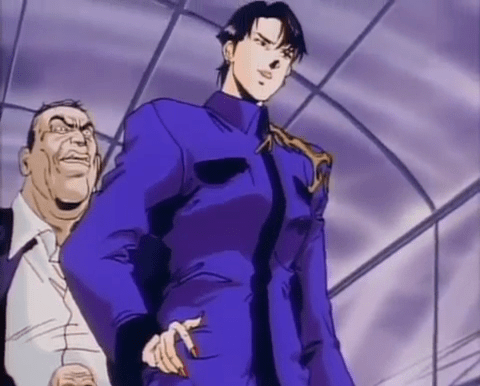
The 80’s fetish of men, and the muscles they have are one thing, but another aspect impressed me, a trope that I really much like in these types of shows: The feminine guy. If everybody has gigantic muscles, strong jawlines and incredible punching power, the nimble, slender and soft-faced guy visually stands out. And that can only mean one thing: That guy is going to kick immense amount of ass. Contrasting gender performances seeing eye to eye and are to be taken seriously!

vlcsnap-2016-08-13-23h55m46s928.png

OH SHIT

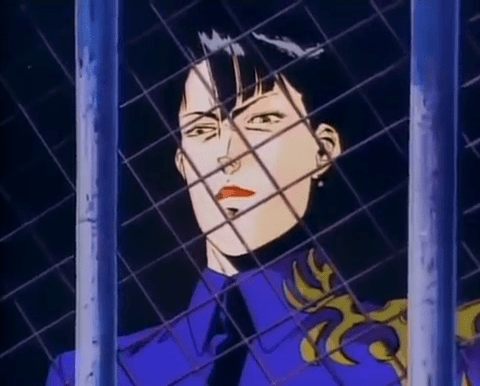
vlcsnap-2016-08-13-23h57m47s056.png

Now that is one badass man who can rock those fingernails! (Not pictured here: His superdeep voice.)

vlcsnap-2016-08-13-23h58m33s531vlcsnap-2016-08-13-23h58m38s827vlcsnap-2016-08-13-23h58m46s058

On the matter of framing and presentation, Riki-Oh has some beautifully composed shots, that really do shine in the fight scenes. The animation is not extraordinary, but it gets the job done. Gory shots and violence are animated well, the rest is very static, but still pleasing to the eye. The cinematography in those scenes is lifted straight from the manga and it really shines.

 vlcsnap-2016-08-13-23h34m58s750

vlcsnap-2016-08-13-23h35m57s343

vlcsnap-2016-08-13-23h36m03s730

vlcsnap-2016-08-13-23h36m11s486

vlcsnap-2016-08-13-23h37m25s651

Simple, clean, nicely framed shots that look good. What more do you need?

vlcsnap-2016-08-13-23h39m09s590

vlcsnap-2016-08-13-23h39m15s725

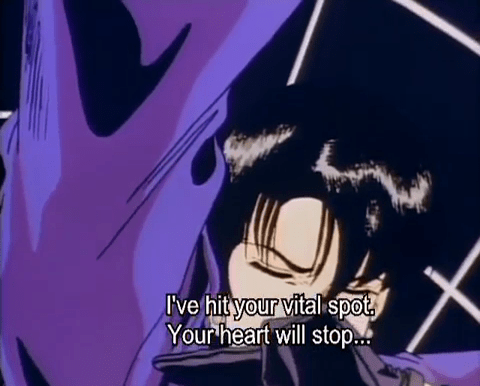
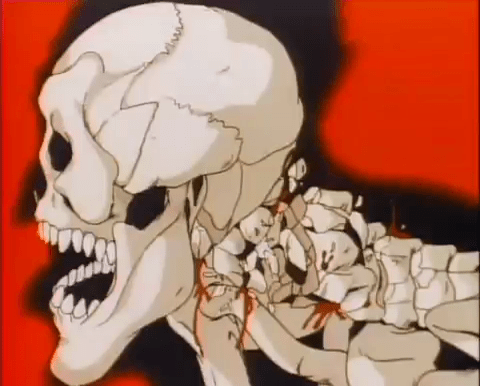
X-ray “impact frame” that shows up only for less than a second. A nice touch.

vlcsnap-2016-08-14-00h12m31s434

vlcsnap-2016-08-14-00h12m32s889

vlcsnap-2016-08-14-00h12m39s280

vlcsnap-2016-08-14-00h16m15s972

vlcsnap-2016-08-14-00h16m24s388

vlcsnap-2016-08-14-00h16m34s301

vlcsnap-2016-08-14-00h16m35s276

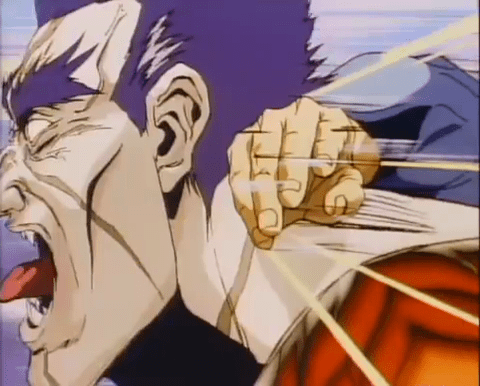
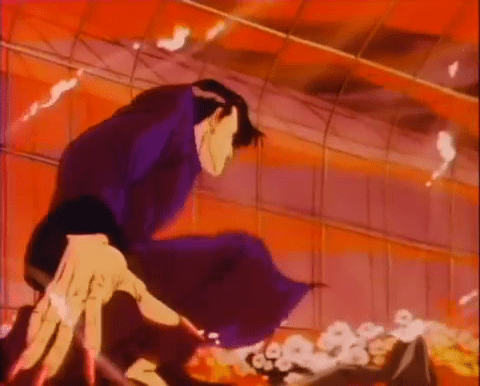
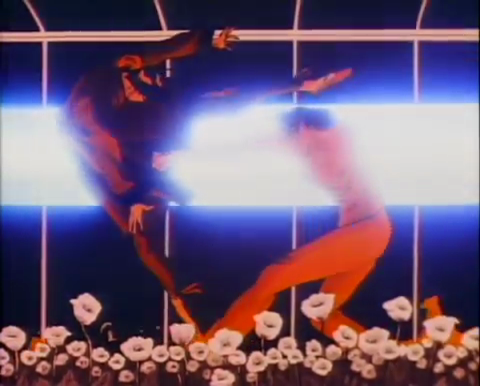
The final fight in the burning greenhouse. Visually pretty impressive!

Conclusion

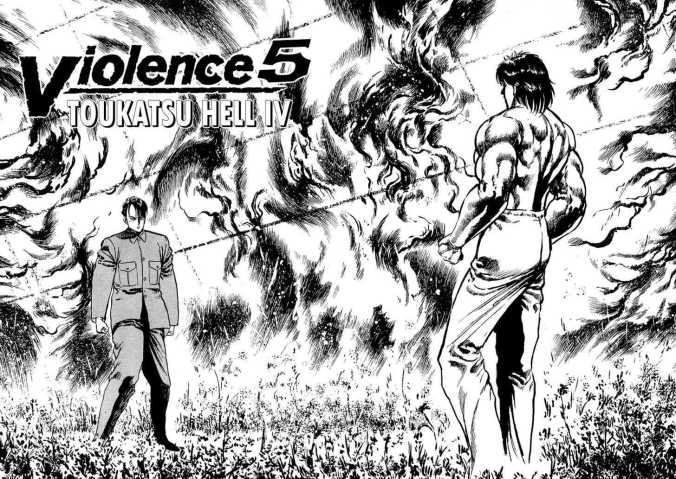
While Riki-Oh is a neat OVA that is very much a child of its time, I would personally love to read the manga some more, for the “way-too-realistic”, yet “too-over-the-top” violence. The violence in the OVA is toned down. Yes, the OVA is tame in comparison to the manga. Eyes get stabbed, people get skinned and the violence never stops. It becomes an insane gallery you walk through and go “Oh, no I never thought you could actually do that!” In addition, it does seem that the OVA does not give the original artwork 100% justice.

riki_oh_v01c05p160_161vlcsnap-2016-08-14-00h12m39s280

The balancing of black and white, as well as the artstyle are stylish. The OVA loses a bit of the “oomph”.

While the original story is a lot longer and features more characters, the Riki-Oh OVA does not waste your time. The pacing is fast and it trims the fat so strongly, that you are only left with the crucial plot points and main fights. Is that bad? No. Instead of an epos, it becomes a snack-sized anime of condensed 80’s that you can watch in one go and think: “Oh yeah, that was a nice trip to the past!”

If you are interested in the time capsule that is Riki-Oh, give it a watch. It is not a landmark of the genre, but a cult classic – well, that title would rather go to the manga and the live action adaptation – but it is a nice short action flick for a rainy afternoon, when you craving fun and camp goodness.

end

This has been Riki-Oh: Toukatsu Jigoku (The Wall of Hell)

MAL

Wikipedia