MANLY MONDAY: “My Brother’s Husband” – LGBT Slice of Life with a Big Heart

e03301

In the vast landscape of manga, there is a niche. A tiny one, apart from all the others: The Bara genre, or Gei komi. Gay manga for gay men – far away from the feminine bishonen look of Shonen-ai and Yaoi. This is a genre of sexual content that the favours all male body types. From big to short, to curvy or hairy. Generally: A lot more “manly aesthetics”.

To understand this niche, you need to know: Being gay in Japan is not easy. Traditional world views are still in place, heterosexuality is the norm, homosexuality is seen as just “something silly” on TV. It is not being talked about, and swept under the rug. Coming out is hard, and parents will be highly disappointed or flat out destroyed at the prospect of not having grandchildren.

How does one deal in this environment as a gay person? What is this society? How can we talk about this? Here, Gengoroh Tagame comes in.

The grandfather of Bara/Gei Komi is Gengoroh Tagame. Born in 1964 and openly gay, he is the one that brought the overlooked, tiny genre to new heights – with explicit drawings, historical settings, and a lot of BDSM works, ever since the 80’s. (Please do not “Google Image Search” his name lightly, his art is extremely explicit NSFW.)

In 2014, Tagame would start his first mainstream, not sexually themed manga, in Monthly Action – the magazine that recently published “Orange”. A manga about LGBT issues in Japan, that was the plan. But he would not be angry or preachy, do something shocking, or try to disrupt the social norms – no.

He decided to do a Slice of Life manga.

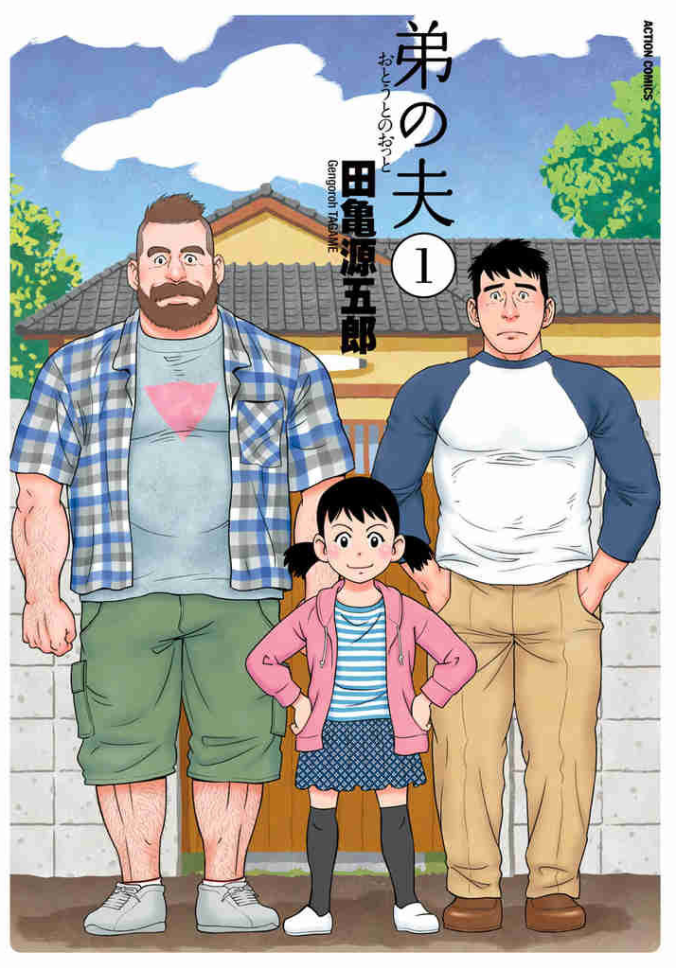
This is “Otouto no Otto” or “My Brother’s Husband”.
00cover.png

Story

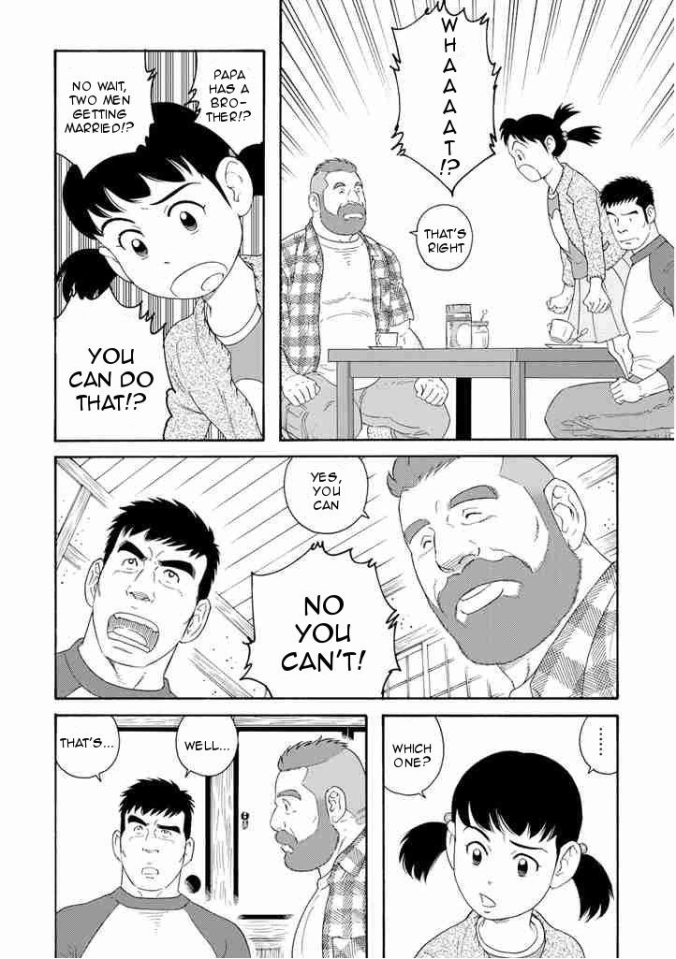
Yaichi and Ryochi were twin brothers, but their parents died when they were young, and so, they tackled life and its difficulties together.

But one day, Ryochi outed himself as gay, and went to Canada, to live his life the way he wanted to, leaving Yaichi alone in Japan. Apart from each other, they lived their lives. Yaichi is now a grown man, and a stay-at-home single dad, living with his daughter Kana.

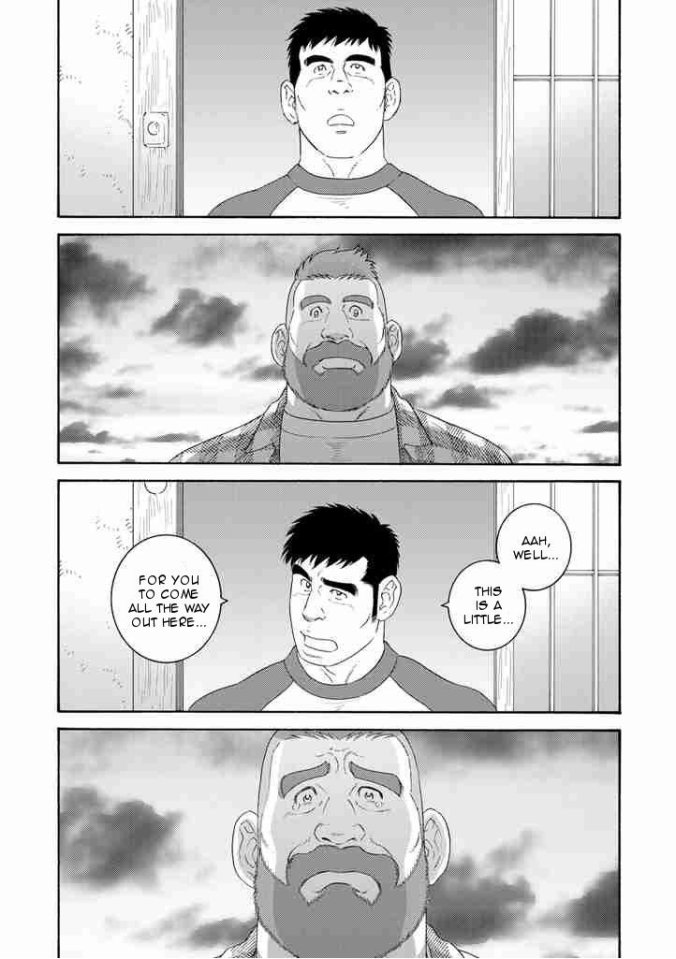
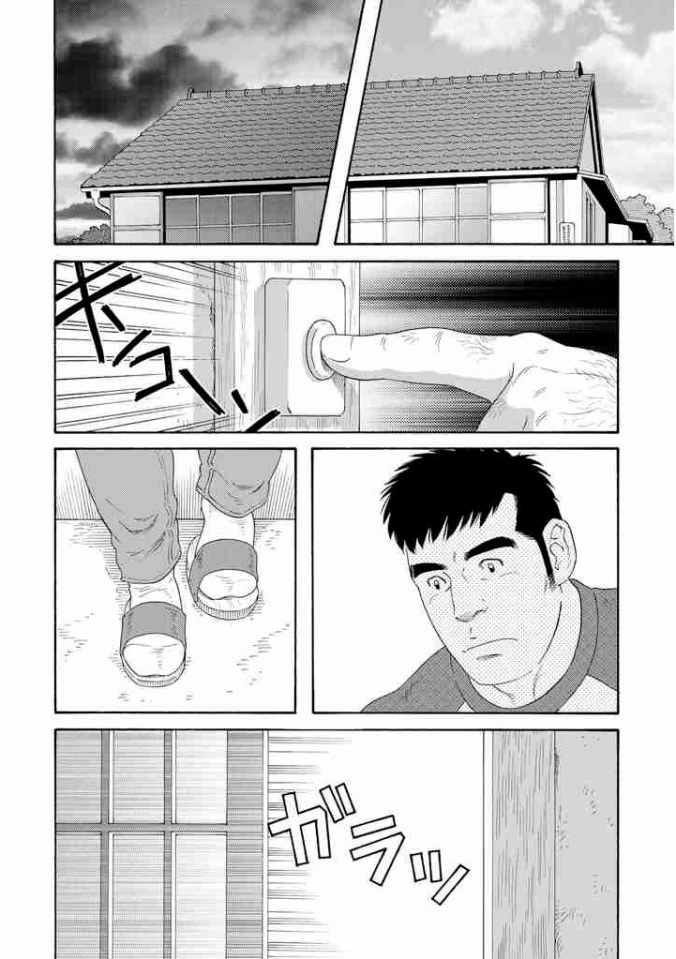
Unfortunately, Ryochi died just one month ago, leaving Yaichi in grief. But right now, this is not his biggest worry. Someone he doesn’t know is about to visit his house.

It’s his late brother’s husband.
d014

d015

d016

d017

d019

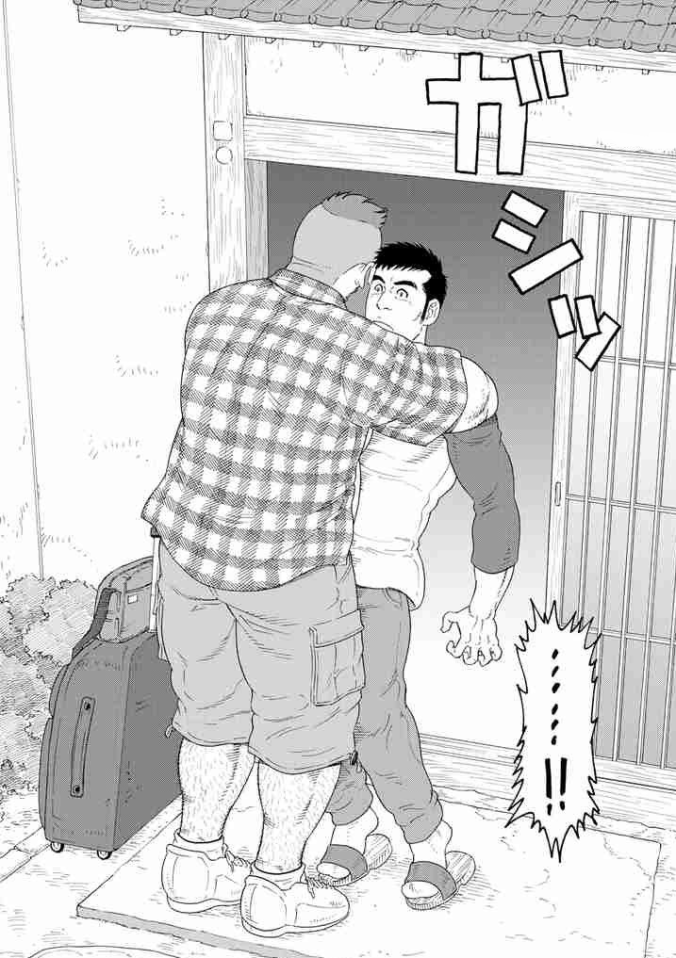
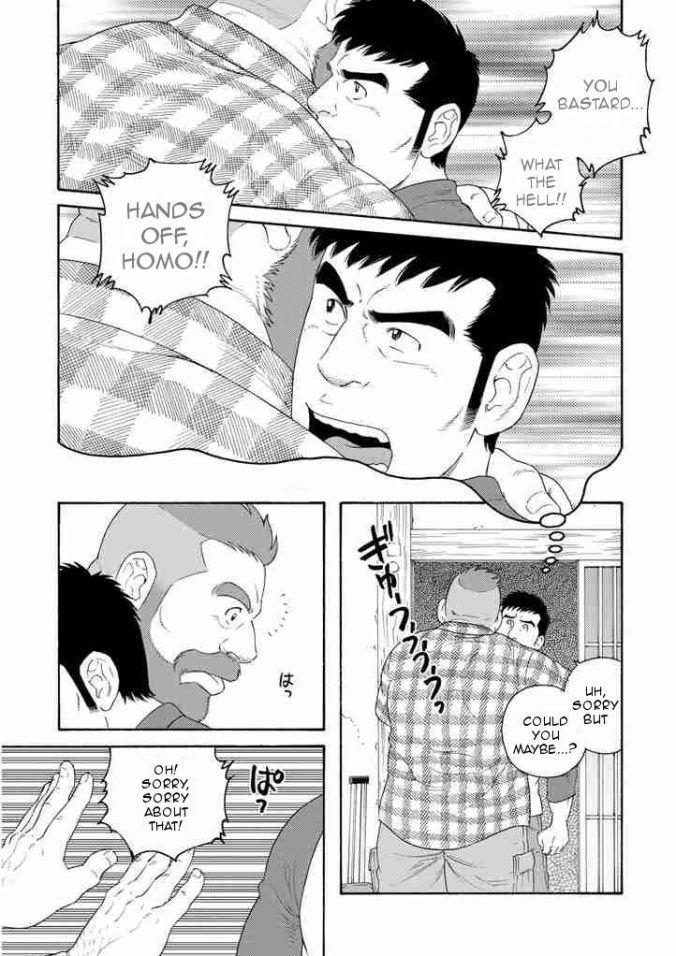
Unfortunately, initial awkwardness happens.

And thus, Mike, a big, bearish Canadian man, enters his household for a holiday. He was married to his twin brother Ryochi, and, now a widower, he wants to visit his late husband’s family and country, to see how he lived and to share memories.

Yaichi is not really amused by this. Of course, family is important, he can’t simply ignore his brother-in-law … but he is not comfortable with having “this homosexual foreigner” under his roof.

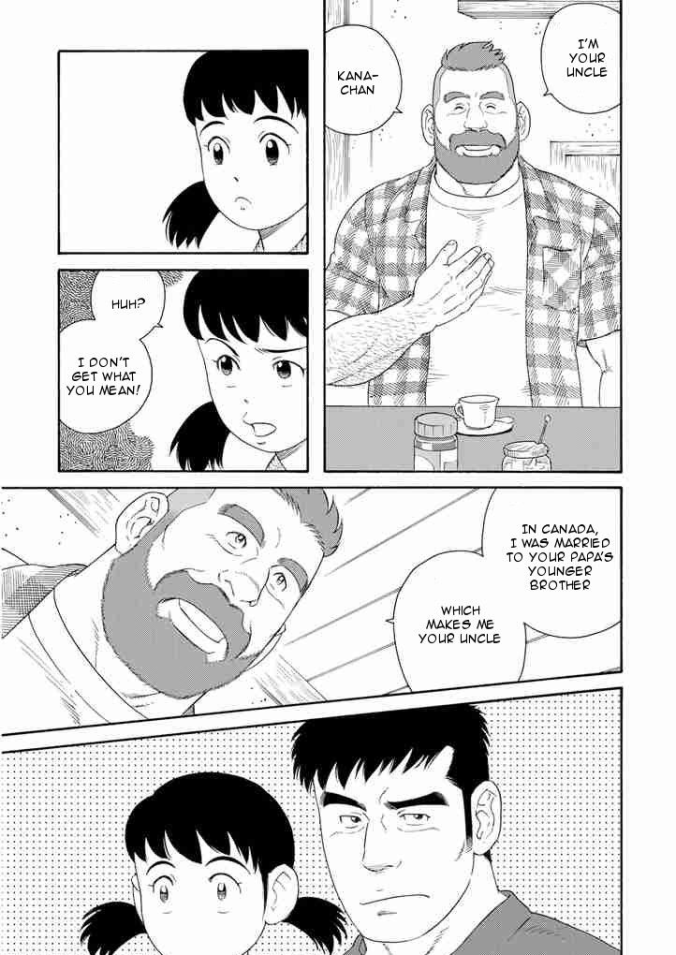
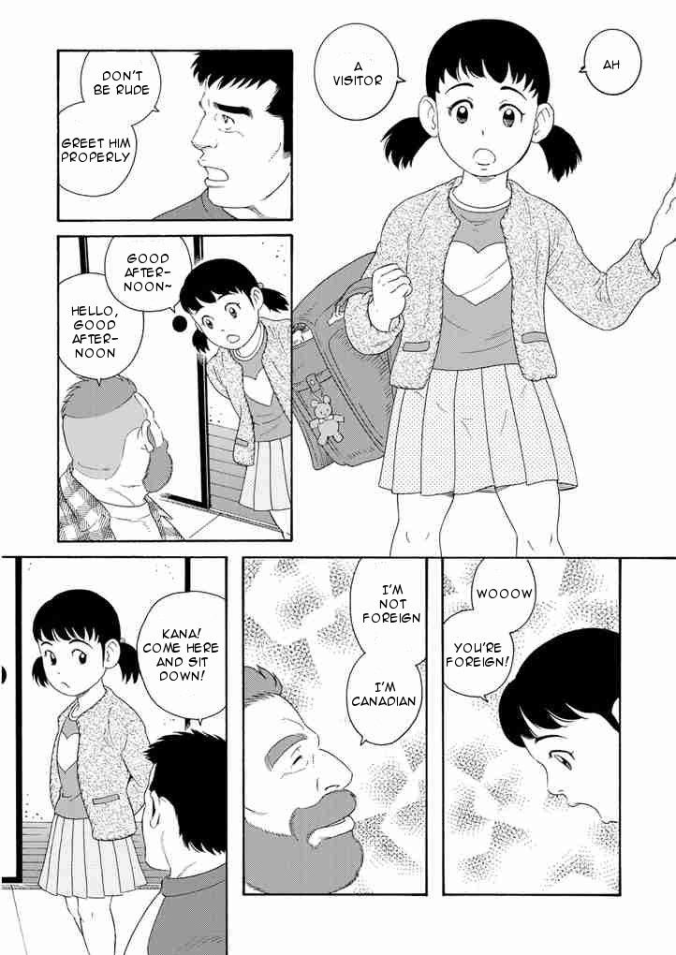
His daughter Kana, however, is different.
d021

d023

d024

His daughter Kana is experiences her first culture crash.

g022.png

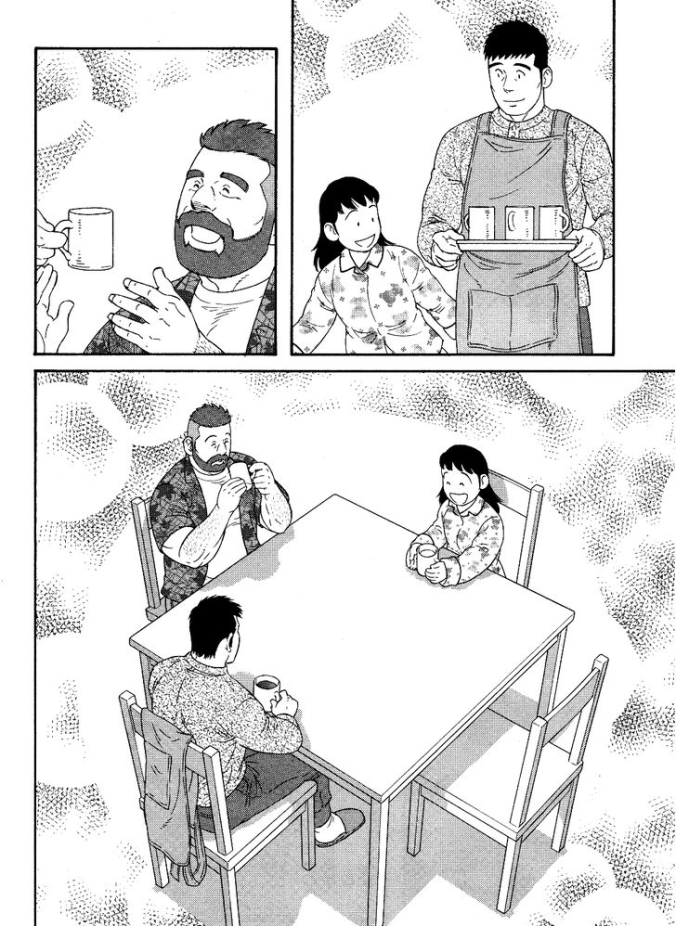
But in the end, she is happy!

And so, the slice of life story of Ryochi, Kana and Mike begins.

Culture and Understanding

This manga is a cultural and social observation, from three different point of views. Ryochi, the rather reserved and lightly traditional Japanese man, sad about his brother’s death; Kana, the young child who sees no problem in having a new uncle; and Mike, the gentle grieving widower, who wants to experience his beloved partner’s culture and explore the past.

The main strength of “My Brother’s Husband” is the portrayal of culture and society. It would be way too easy to say “Japanese society is bad!” and just leave it at that. Instead, this manga becomes a story of sharing: culture, stories and memories.

Mike is interested in visiting Japan and its culture, he is very happy about it, although he sometimes still makes cultural mistakes, like hugging people, or pronouncing names wrong. Ryochi hadn’t seen his brother in many years, and he is interested in hearing how life was in Canada.

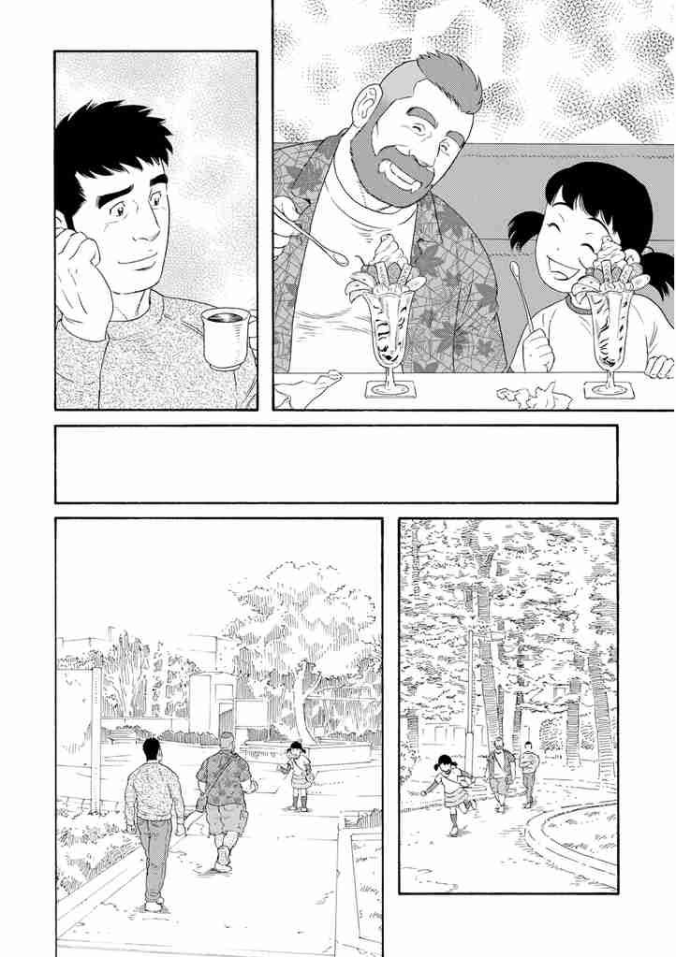
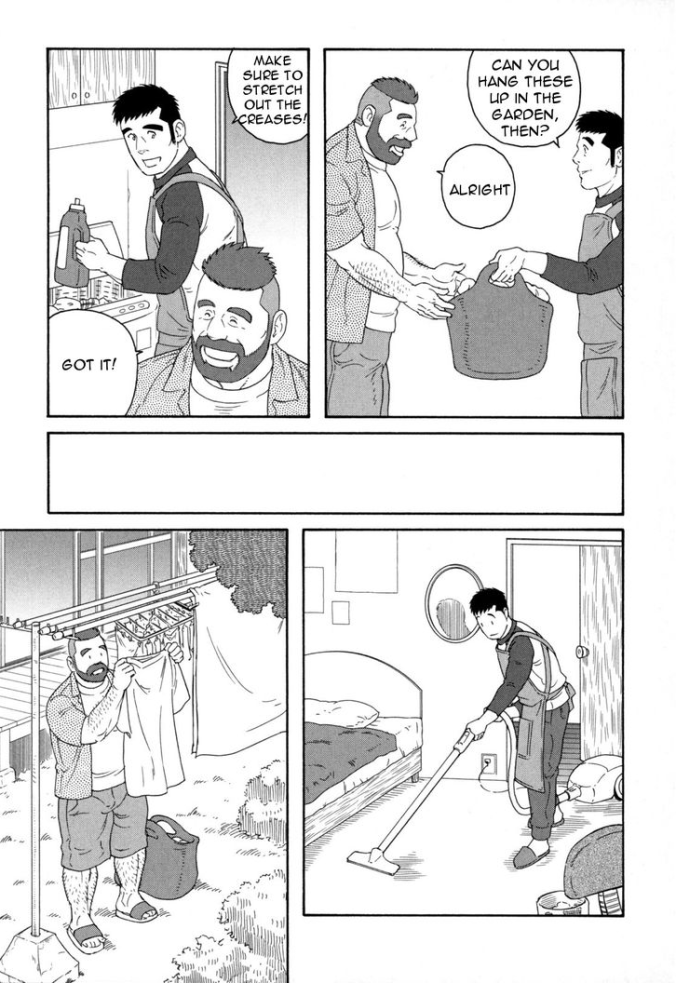
To present his country in the best manner possible, Ryochi integrates Mike into his household, doing day to day things togther, and going on trips, to explore Japan and to explain this new, interesting culture to Mike who only knew it through his husband.
e008.png

Slice of Life goodness.

Mike has seen a side of Yaichi that Ryochi never saw, while Ryochi has only memories of his brother when they were younger. Kana never got to know her real uncle.

Hence, the dialogue becomes important in the story. It evolves slowly into more than sharing history, and both men soon start talking about their feelings of loss and sadness, as they open up to each other. The two very different men become friends.

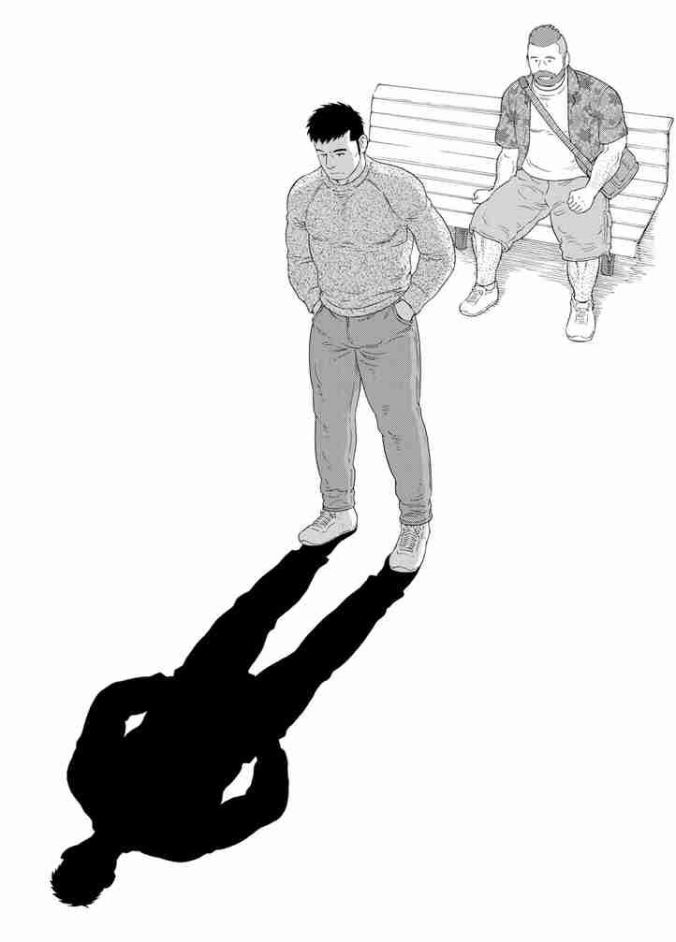
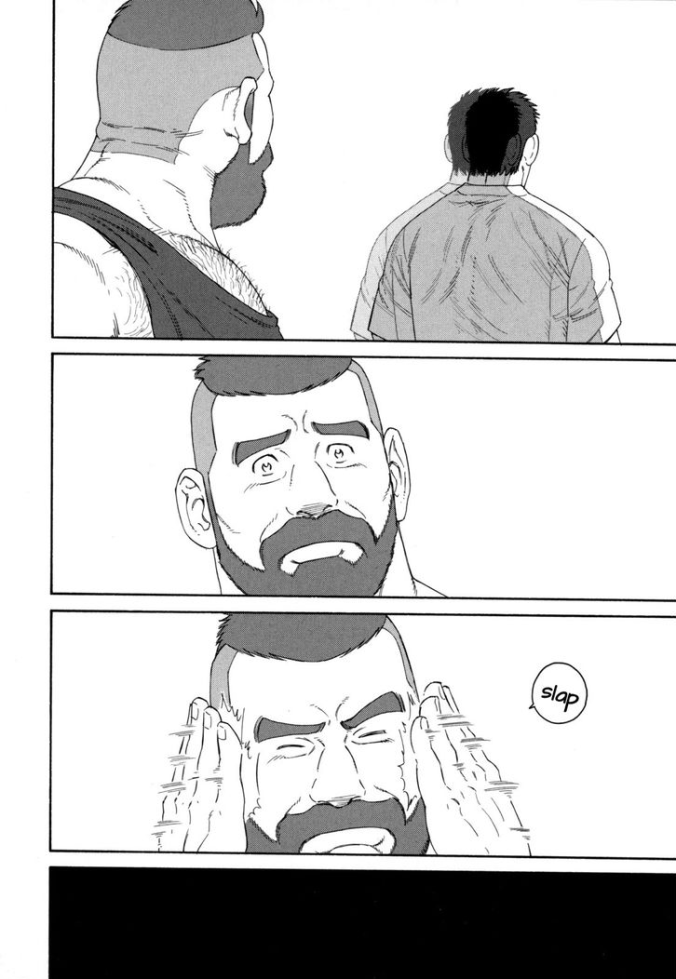
While the “slice of life moments” are really heartwarming and lovely, this manga can really hit you hard with emotion. Both men are in grief – one has lost his brother, the only family he had left, the other one has lost his beloved partner for life.
e018.png

The shadow of his former twin brother…
m013.png

… and the image of his late husband.

Conclusion

“My Brother’s Husband” is a melancholic, yet heartwarming slice of life manga, about a topic that is not often talked about. It approches the theme of LGBT in Japan with great care and love, without ever being preachy or condecending.

There are other themes explored as well, and the cast gets bigger as more people are introduced. I do not wish to spoil the manga here any further, as it is best read blind. It is currently ongoing, with 20 chapters in 3 volumes, and will most likely continue. I am normally not the type to recommend an ongoing series, but the future looks stellar.

If you don’t like slice of life, this is a very skilled and warm approach to it, that may introduce you to the genre. Some people are scared away from SoL, as they often see it as just a genre where “cute girls do cute things”, but this is really not the case here. (You can still see Tagame’s Bara roots just by the detailed and careful way he draws body hair, or men’s physique in general.)

If you like slice of life, I can more than recommend it. The themes of family, sharing and heartwarming togetherness are a beauty.

The manga won the 19th Japan Media Arts Festival Excellence Award in 2015. With other family themed manga like “Barakamon” and “Sweetness and Lightning”, I can only hope that this manga will have an anime one day too, be it just a short series, or even a movie. It fits well as a “slightly more muscly” entry into the Slice of Life “Golden Age” that we are now in. It would not only be a unique take on the genre, but the first time that the genre and authorship of Bara would be recognised in anime – a huge step for LGBT in Japan.

Do yourself a favour and read “Otouto no Otto” or “My Brother’s Husband”, and enjoy the wonderful, not so traditional, lovely family of Ryochi, Kana and Mike.
o006

b8273d908c10249bb0f25124637aad30

The End

MAL “My Brother’s Husband”

Wikipedia “Gengoroh Tagame”

Wikipedia “Bara”

Edit: An English Omnibus release is out now! Amazon Link!

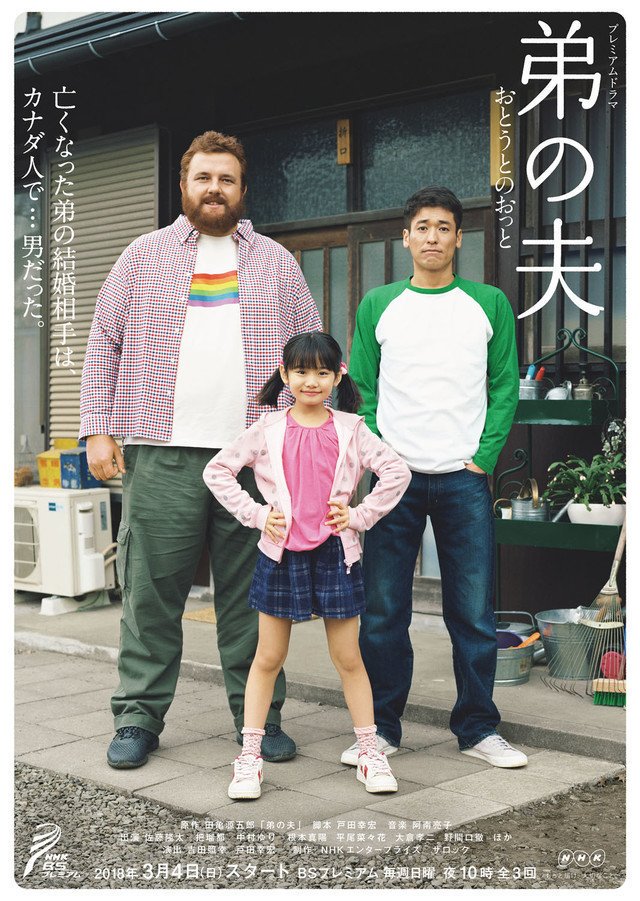
And a TV series was announced to air in March 2018!
DV4tQMNVQAAw9AG

MANLY MONDAY – “Baoh: The Visitor” OVA or “Jojo before Jojo”

Baoh_Volume_001.png

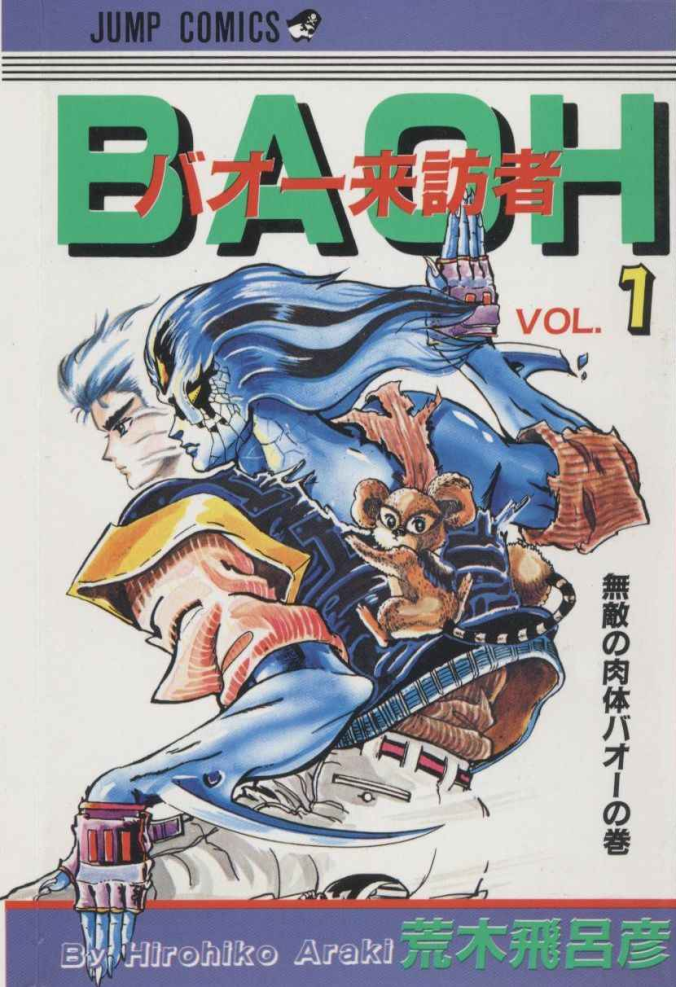
Before there was the phenomenon “Jojo’s Bizarre Adventure”, there was “Baoh: The Visitor”.

By the same mangaka, Hirohiko Araki, this manga was “Jojo before Jojo”. The series ran in Shonen Jump in 1984, for just 9 chapters, or 2 volumes as a whole, in only five months. And yet, in this short period of time, Araki would show his craftsmanship that would fully shine in the future. From the art, to the story, to the characters, this is a unique and fantastic piece of history.

With a manga this brief, an OVA that tells the whole story was made in 1989, by Studio Pierrot. We’ll take a look at the story, the animation and reoccuring ideas of Hirohiko Araki. This is “Baoh: The Visitor”.

Story and Characters

An evil corporation tests out a new biochemical weapon, an alien larva called “Baoh”, that turns any living being into an over-powered killing machine. They tested it on animals, and now for the first time, on a human. Unfortanetly, this human, named Ikuro, escapes when being transported by train.

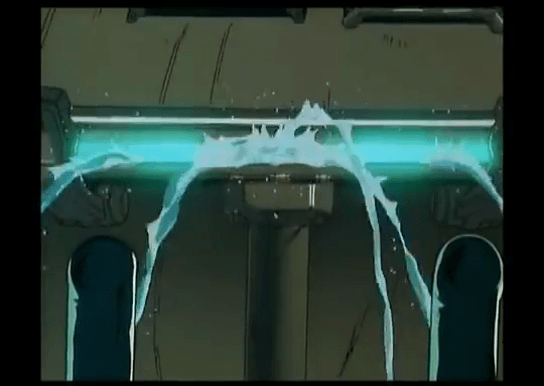
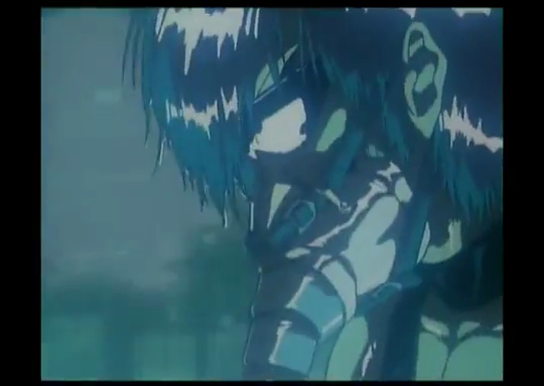
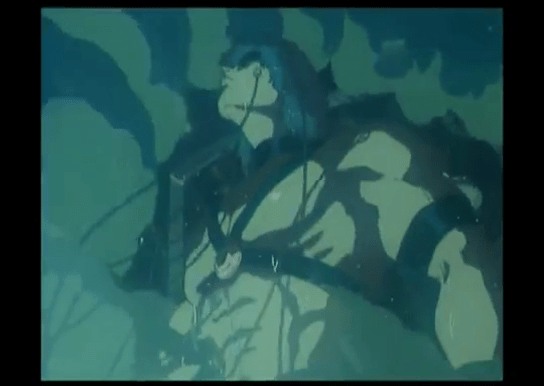
vlcsnap-2016-08-17-09h42m37s824vlcsnap-2016-08-17-10h02m24s305vlcsnap-2016-08-21-18h49m59s363vlcsnap-2016-08-21-18h50m08s659vlcsnap-2016-08-21-18h50m28s661

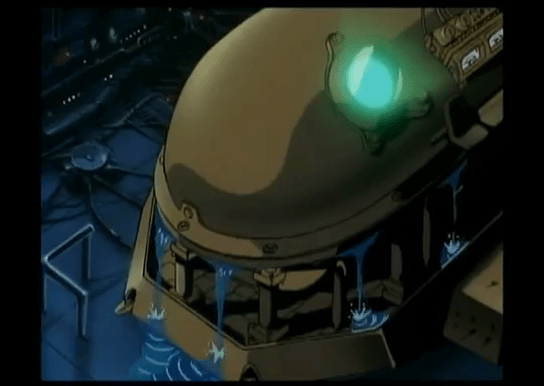
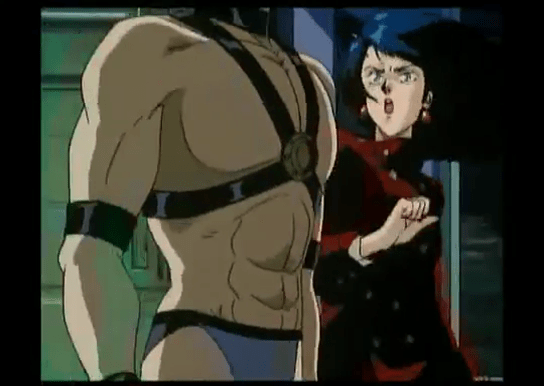
The lighting and angles give it a great grim sci-fi vibe. But it wouldn’t be Araki if the muscular guy were not in a fabulous outfit.

vlcsnap-2016-08-21-18h51m22s665.png

“Excuse me, madam, I need to get through here. Don’t mind the leather and general nakedness.”

Our protagonist jumps off the train, but gets hurt by electric cables that he tried to hold on to. He is saved by a little psychic girl, Sumire, that has visions of the future.

vlcsnap-2016-08-21-18h53m16s004.png

Araki can do moe!
vlcsnap-2016-08-21-18h53m40s072vlcsnap-2016-08-21-19h08m12s759vlcsnap-2016-08-21-19h08m25s542vlcsnap-2016-08-21-19h08m28s751vlcsnap-2016-08-21-19h08m30s677vlcsnap-2016-08-21-19h08m34s588

BLEH! Araki’s creative visuals are already here!

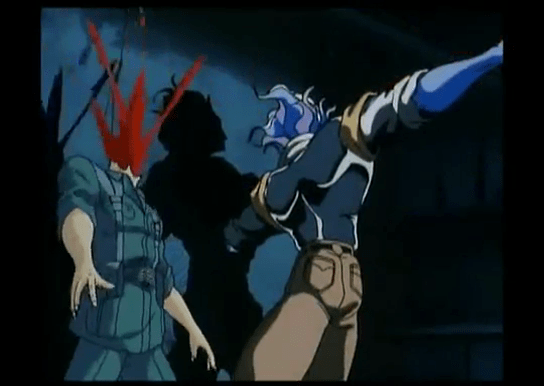
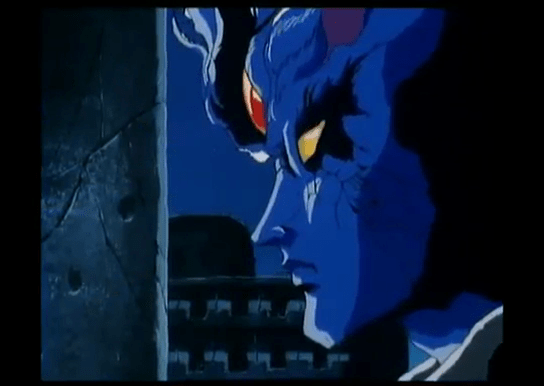
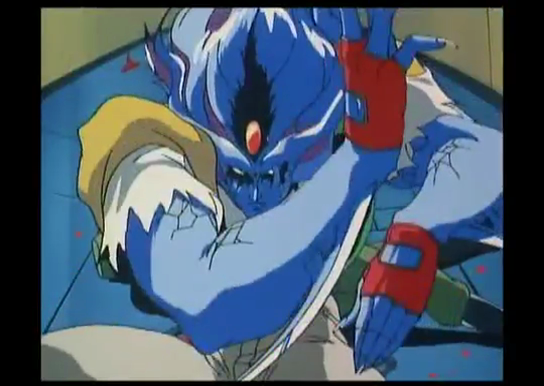
It turns out that an assassin has been hired to kill Ikuro. He is now on the run with Sumire, and a lot of fight scenes ensue, where Ikuro starts to realise the potential of his newly gained supernatural powers. When a SWAT team led by a cyborg sniper comes after him, Ikuro a.k.a. “Baoh” goes on a violent blood-drenched rampage.

vlcsnap-2016-08-22-00h31m10s204

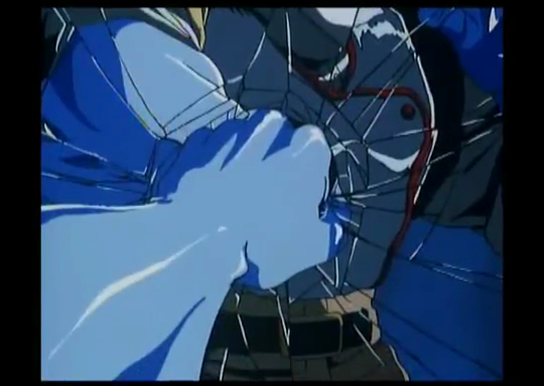
That is practically harmless. The violence in the OVA is much more graphic.

vlcsnap-2016-08-22-00h32m20s759vlcsnap-2016-08-22-00h32m22s834vlcsnap-2016-08-22-00h32m25s954vlcsnap-2016-08-22-00h32m28s056vlcsnap-2016-08-22-00h32m32s512

But what has he become?

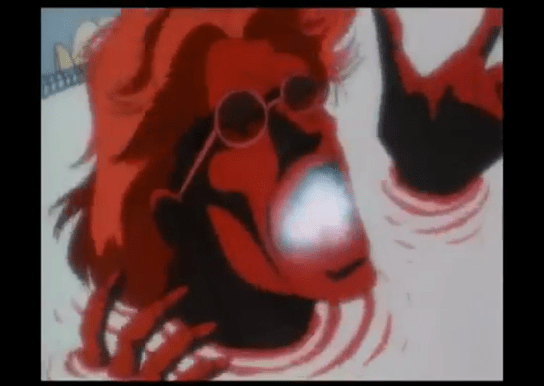
The evil corporation kidnaps Sumire, in order to lure Ikuro back to the laboratory. Here, the action gets even more intense, with a psychic villain called “Walken”.

vlcsnap-2016-08-22-00h38m46s311vlcsnap-2016-08-22-00h39m45s803vlcsnap-2016-08-22-00h39m47s764vlcsnap-2016-08-22-00h39m48s840

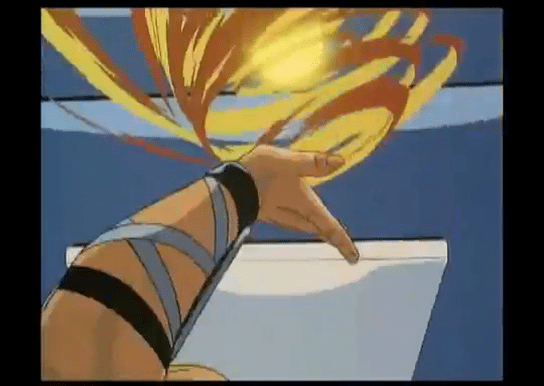
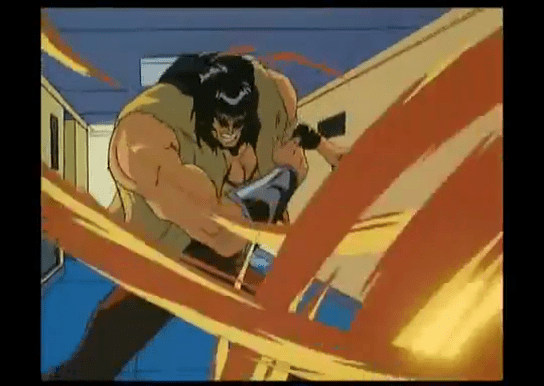
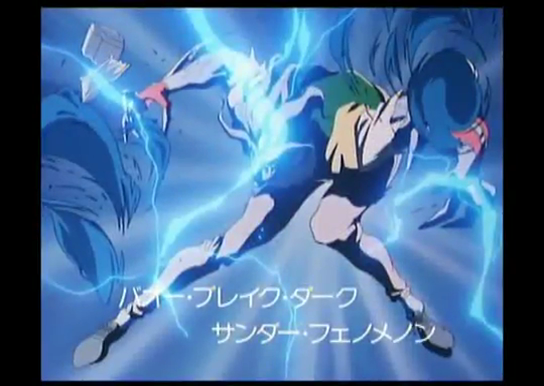
He has fire powers that are animated in impressive swirls.

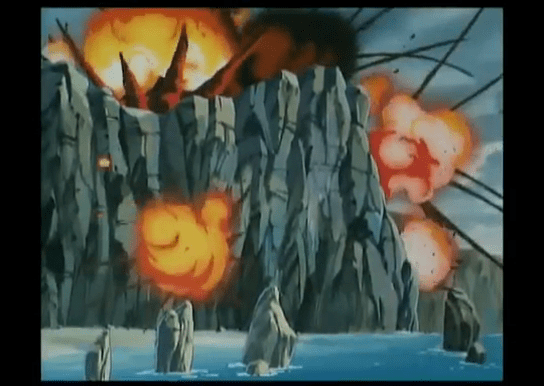
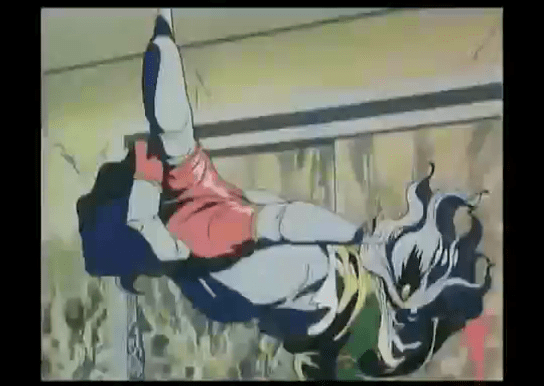
And so, a big battle takes place, the laboratory is destroyed, and “Baoh” goes down with the explosion and the debris. The final fight between him and Walken is well animated and serves as a great climax.

vlcsnap-2016-08-22-00h45m17s020vlcsnap-2016-08-22-00h46m06s467vlcsnap-2016-08-22-00h48m34s499vlcsnap-2016-08-22-00h49m07s639

Big laser cannon, big muscles, big explosions. Yes!

And so, the anime ends with Sumire standing on a beach, waiting for Baoh’s return. He’ll be back one day.

vlcsnap-2016-08-22-15h34m25s694.png

While the story seems simple and easy, the scenes in itself are crafted with care, as great action set pieces. I have excluded a lot of scenes here, in order not to spoil them for you. But we are not really here to discuss the story, let us take a look at the themes and the style, which are all very “Proto-Jojo”.

Jojo before Jojo

Araki has a love of naming characters after songs and artists he likes, like “Killer Queen” by Queen, “Speedwagon” as in the band “REO Speedwagon”, and most famously, “Dio”, after heavy metal legend “Ronnie James Dio”.

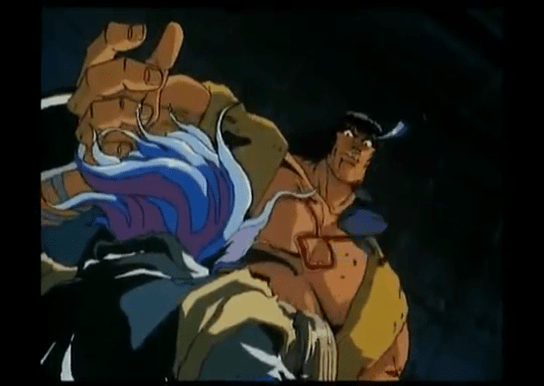
For the name of the Native American psychic warrior, he went for “Walken”, named after actor “Christopher Walken”.

Perfect!

The concept of “Baoh”, a perfect immortal being and what it would mean, was revisited in several parts of Jojo’s Bizarre Adventure, mostly with the characters of “Dio” and “Cars”.

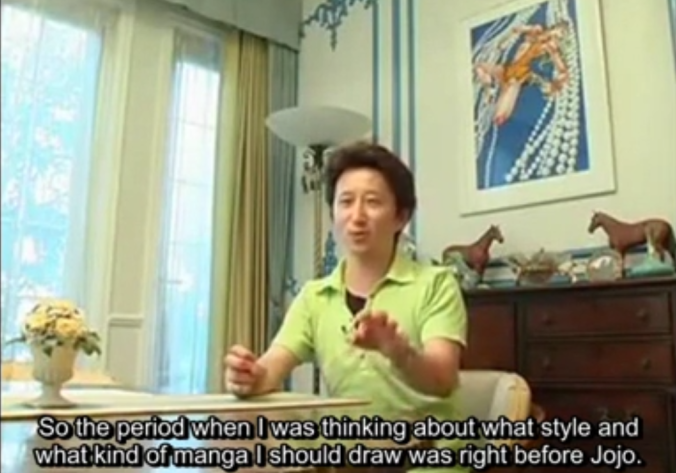
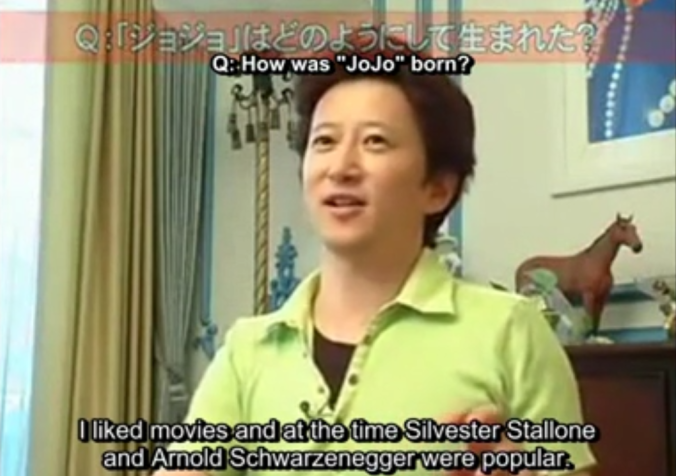
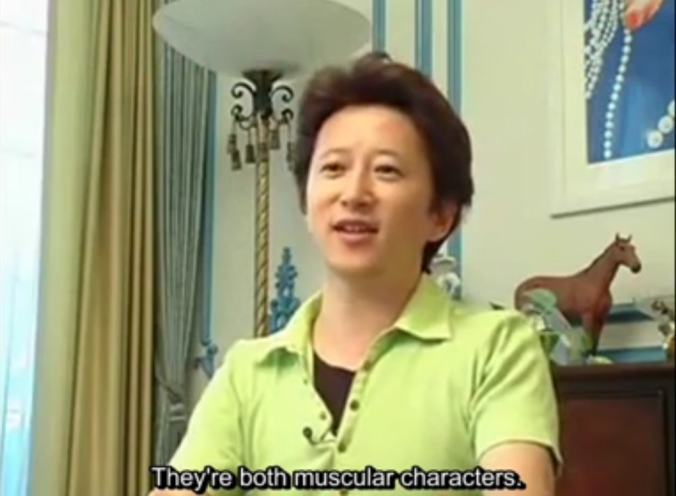
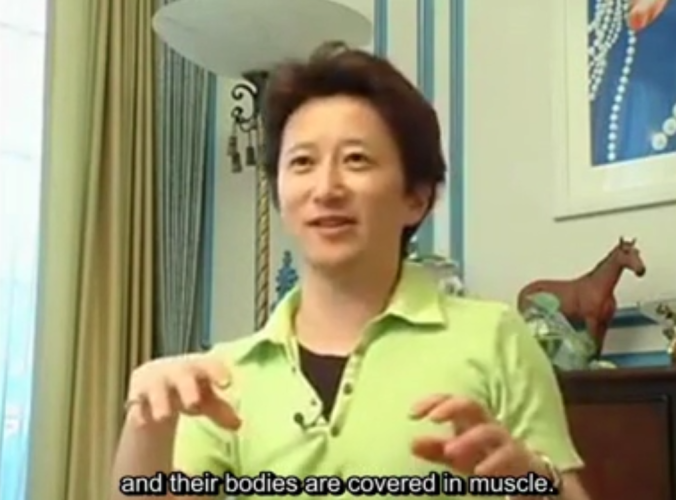
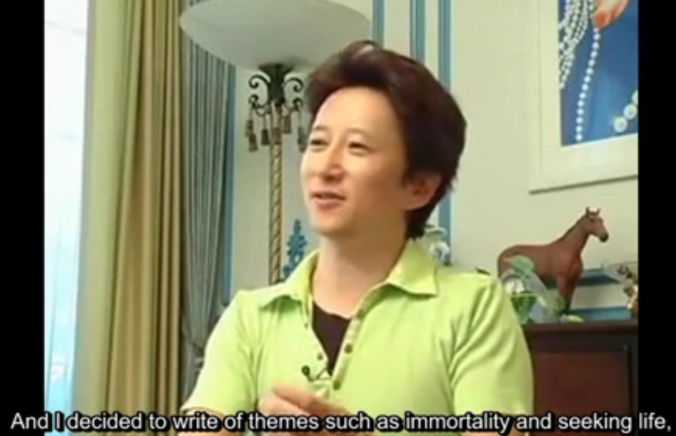
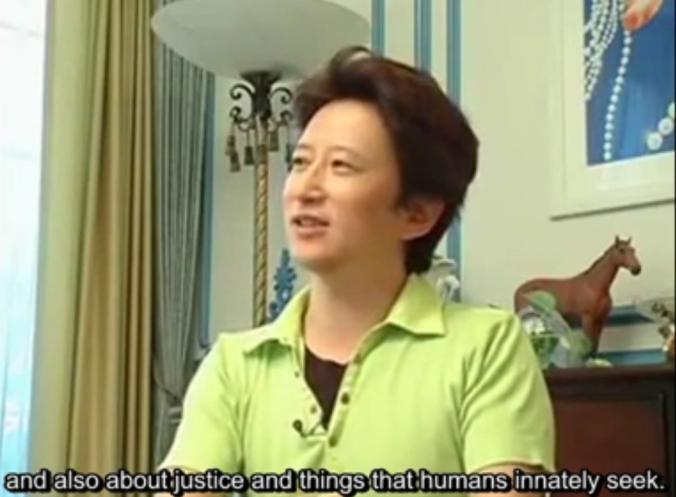
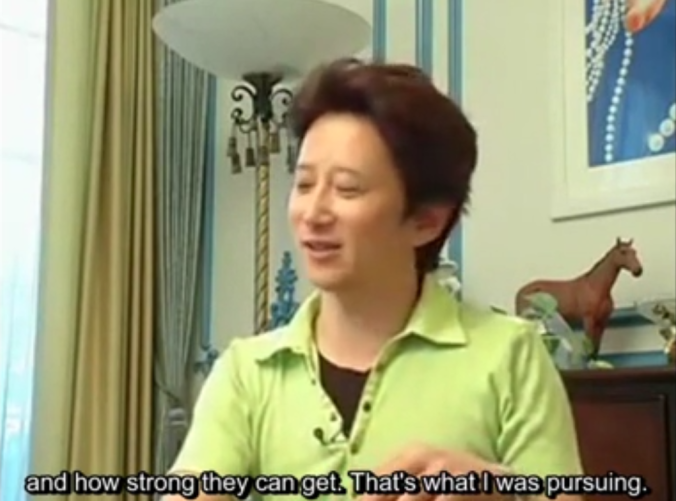
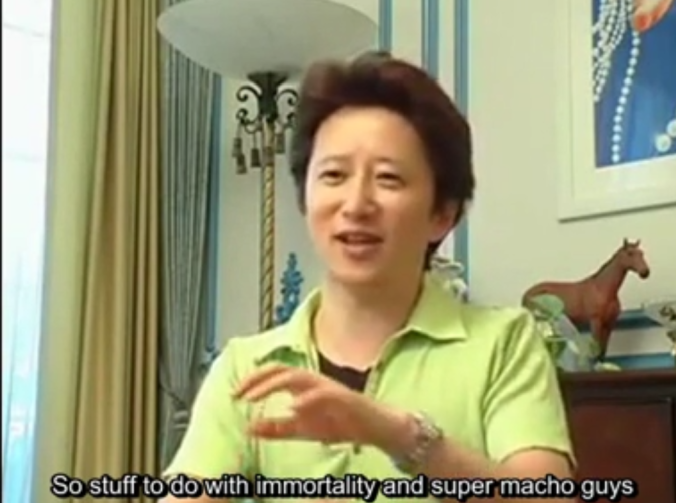
Hirohiko Araki, when he started the series in the 80’s, was really fascinated by the idea of macho and strength, and asked himself: how strong do they get, and how is strength measured? And what if a person is immortal? Are they then unbeatable? This is a prominent theme in the first parts of JJBA, and it appears already in “Baoh”.

araki 1araki 2araki 3araki 4araki 5araki 6araki 8araki 9

Hirohiko Araki in an interview about the story of Part 1 of Jojo’s Bizarre Adventure.

(Source. Warning: Araki is too pure for this world.)

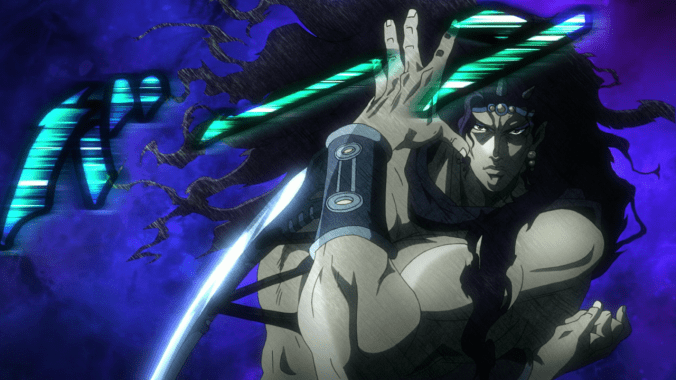
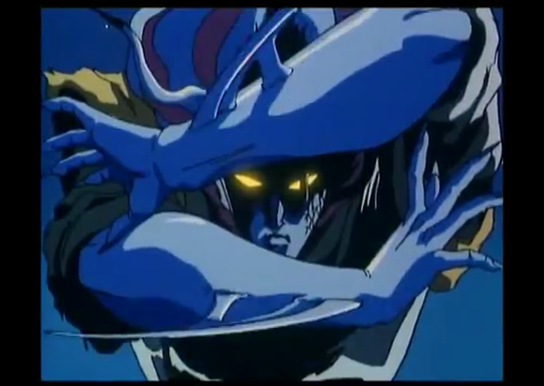
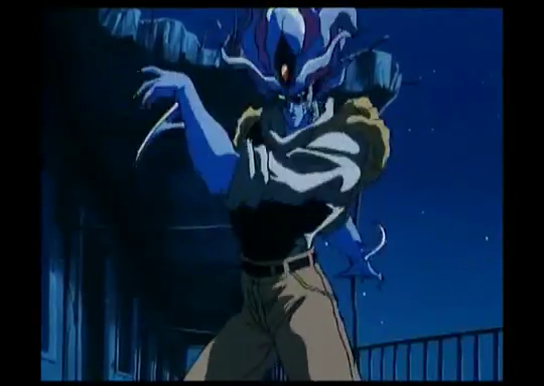
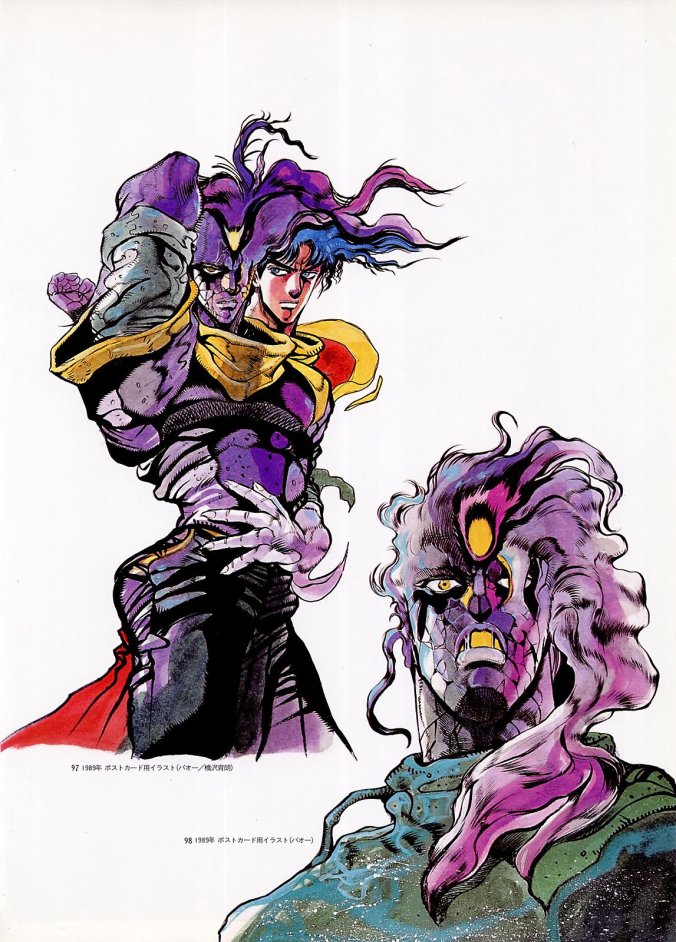
Also, Araki took the design of Baoh and redid it for Cars, the one of the main villains in JJBA Part 2, complete with lots of muscles, long hair, and arm scythes.

BadassKars.png

vlcsnap-2016-08-22-00h38m03s112

Cars in Jojo’s Bizarre Adventure Part 2: Battle Tendency compared to “Baoh”.

baoh.png

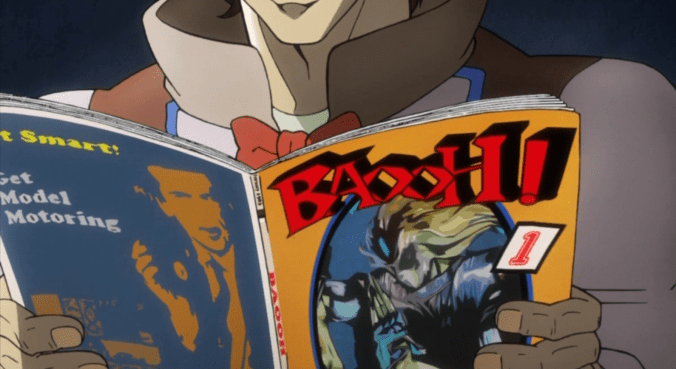
“Baoh” easteregg in the JJBA anime adaptation by David Productions. Joseph Joestar is reading the manga on a plane.

maxresdefault

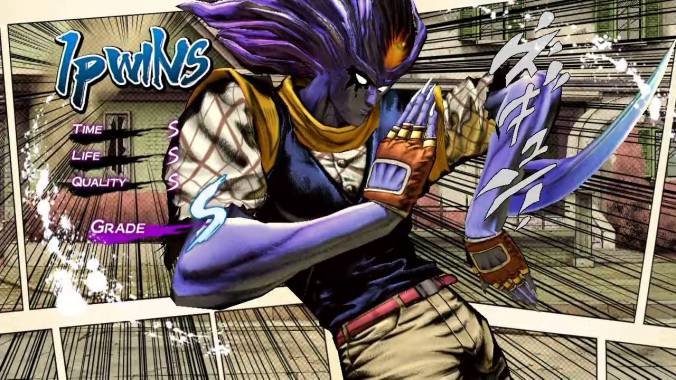
Baoh also makes an appearance in the “JJBA: All Star Battle” video game as a DLC character.

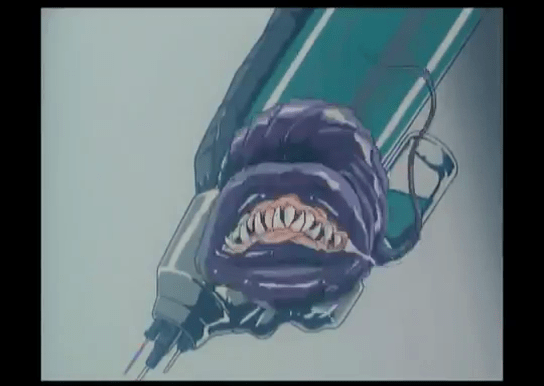
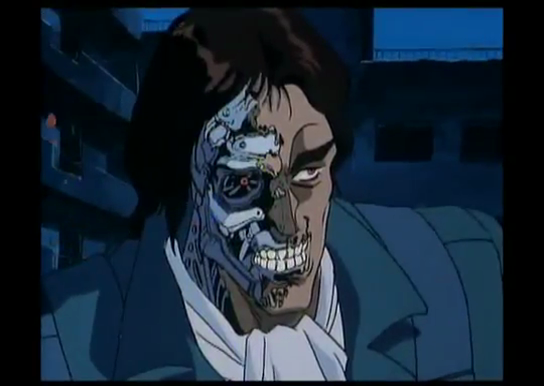
As Araki has a deep love for Western pop culture, other references are found as well, like the melting of faces in “Raiders of the Lost Ark”, an alien larva seeking for a host from “Alien”, and the cyborg villain aesthetic of the “Terminator” movies.

vlcsnap-2016-08-22-00h27m25s020.png

vlcsnap-2016-08-22-00h33m57s151.png

Only two of many references. Not pictured here: very graphic face-melting.

Tiny observation: The investors wear masks, not unlike the mask from JJBA.

Animation & Early “Posing Style”

The animation still holds up very well for being 27 years old, with outstanding sakuga moments fit for an action series, featuring debris, explosions and gunfire.

Scenes from Sakugabooru:

Impressive shot of Baoh escaping the military and Walken in a cave.

Shot of Baoh getting hunted down by a SWAT team.

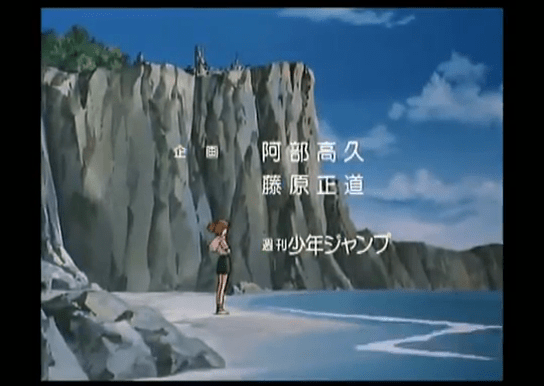
Shot of ocean waves in the ED.

(WARNING!) The fight scene between the Baoh monster and the tiger is gruesome, with trademark 80’s hyperviolent gore and blood, and Araki’s odd habit of “animals getting hurt to show how evil the scene is”, which would appear in Jojo prominently as well.

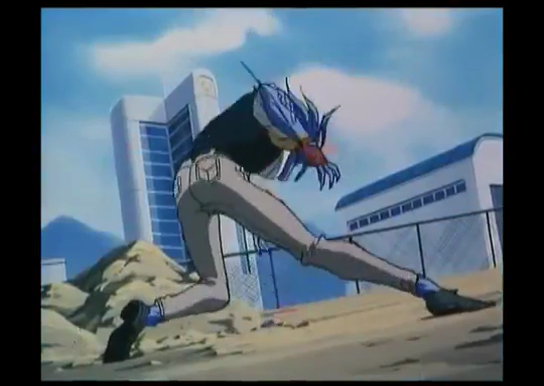
But a special highlight are the early forms of “poses” that would become one of the beloved main attributes of “Jojo’s Bizarre Adventure”.

vlcsnap-2016-08-22-00h31m41s339vlcsnap-2016-08-22-00h31m42s886vlcsnap-2016-08-22-00h37m34s174vlcsnap-2016-08-22-00h38m03s112vlcsnap-2016-08-22-00h38m06s767vlcsnap-2016-08-22-00h38m38s077vlcsnap-2016-08-22-00h41m15s500
All of Baoh’s fighting moves feel very stylish!

Even those inbetweens!

On a side note, I cannot really recommend the dub of this OVA, except if you really want badly acted voices, which have a strange, campy charm in itself. (Baoh himself unfortunately sounds like he was dubbed by someone who happend to stand in the recording booth by accident.) The original voices give the anime more of a proper, serious feel.

Conclusion

BAOH

“Baoh: The Visitor” is a fantastic trip to the past. Not only to see Hirohiko Araki’s evolution as an artist, but also to revisit the age of 80’s anime. It is only 48 minutes long, but time really flies by in this action packed OVA. The hyperviolence and gore are very much in the zeitgeist of the decade, but the Araki spin on it makes it all the more entertaining. Instead of being just a boring gallery of violence, this anime becomes a camp celebration of 80’s. From the animation, to the character designs, to the music.

If you are a fan of Jojo’s Bizarre Adventure, give this anime a watch. If you just want to check out the 80’s aesthetic, I recommend this as well. While today is the age of “moe” and “slice of life”, this was the age of musclebound men and hyperviolence. It is interesting to see how preferences, overall artstyles and the general anime culture change. You may just need a strong stomach for all those strong visuals. If you do, sit back and enjoy this little gem from Hirohiko Araki.

vlcsnap-2016-08-17-09h39m25s666.png

The End.

MANLY MONDAY – Riki-Oh: The Wall of Hell OVA

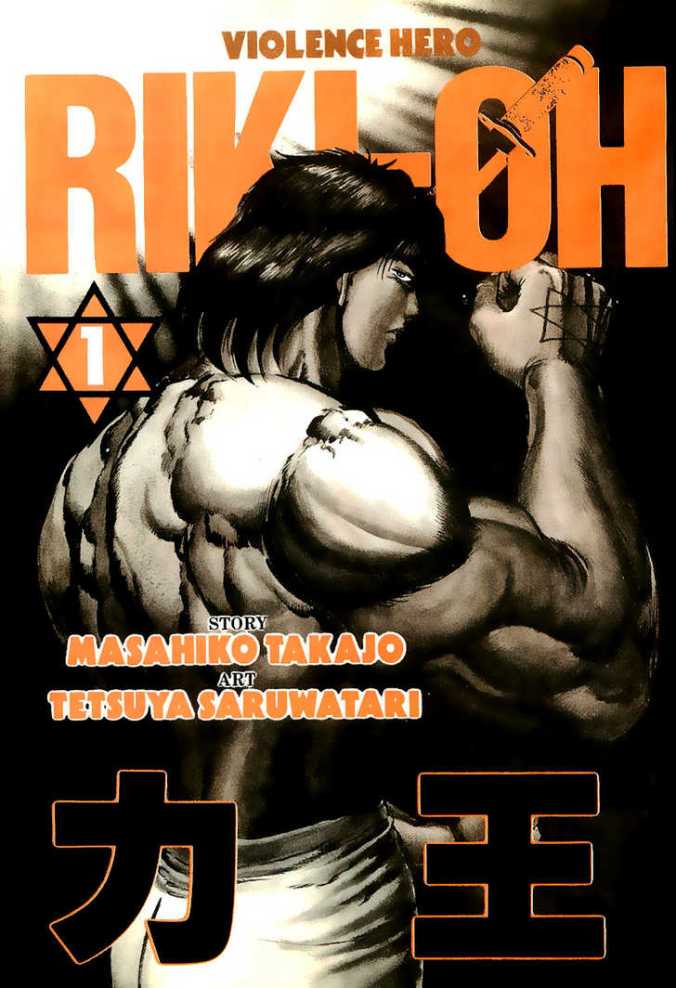
riki_oh_v01c01p003

The 80’s are a wonderful time capsule for media. It presents an aesthetic that is out of fashion now, but still beloved by the general consensus for its zeitgeist of the decade.

In this age, the manly, hypermasculine hero was the protagonist to have. Muscles, Justice, Violence and lot of Punching – this is the formula most of 80’s media pieces follow. Not only in films, with well-oiled Arnold Schwarzenegger and Silvester Stallone, between Robocop and the Terminator: The same goes for anime and manga, where “Fist of the North Star” and “Jojo’s Bizarre Adventure” were born and would take the world by storm. But many of these series are forgotten by time and widespread media, sitting still placidly in the 80’s, waiting for someone to come and look at them.

And this is exactly what we will do now!

“Riki-Oh” is one of these series. Published in Buisness Jump, a Seinen magazine from Shueisha’s Jump family, this is a manga that has all the tropes you could wish for: dystopia, yakuza, martial arts, manlyness galore, and prison hell. The manga ran for 12 volumes, between 1988 and 1990. Two OVAs have been released, and a live action movie as well, that received a cult following for being an over the top, trash, silly gorefest with a lot of mindblowing practical effects. But this is a story for another day, we will focus on the first OVA, from 1989. Off we go!

riki 1.png

Story and Characters

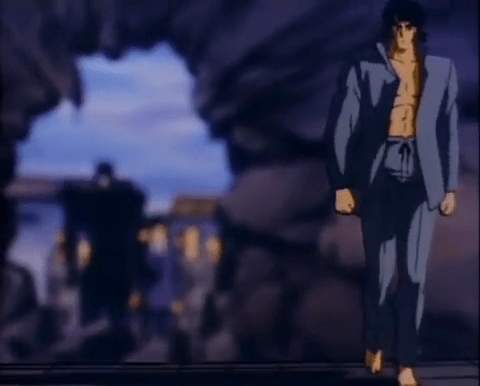
In a post-apocalyptic Japan, everything is awful. People are dying, injustice is roaming the streets and the air is polluted. In this dreadful world, Riki is one hard dude. A mysterious vibe is around him, he bears a star on his right hand, and he is insanely strong. After his girlfriend dies by the hands of the yakuza, he battles the man responsible, but gets caught while performing his revenge.

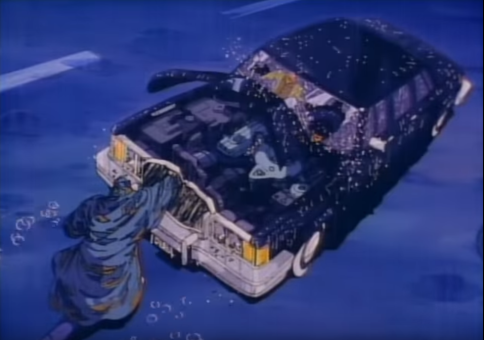
car.png

Screw your car!

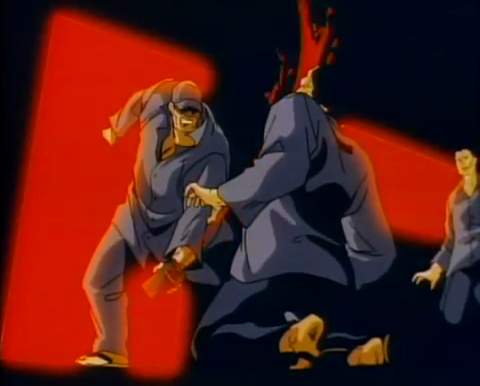
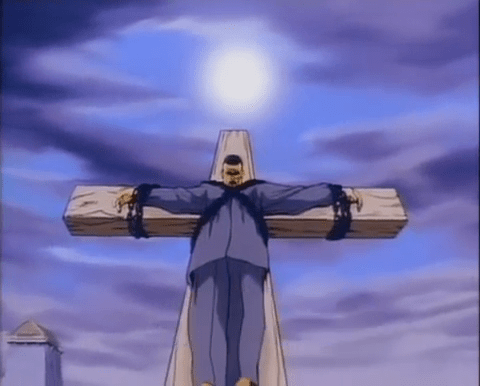
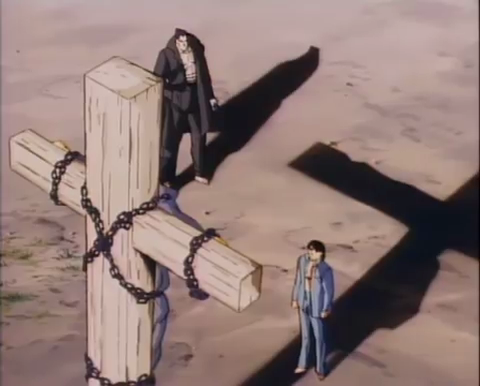
Our protagonist finds himself in a Tokyo State Prison that is now privately owned. Injustice is a daily matter, people are hurt or killed, and life is hell. Riki makes some friends, but loses them to the cruelties of prison pecking order, and therefore, tries to take the bad guys down.

vlcsnap-2016-08-13-23h10m43s012

Prison life is not lovely.

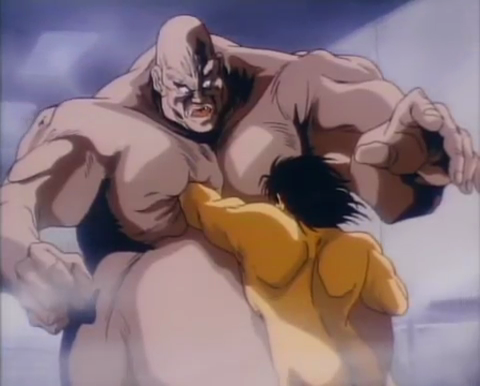
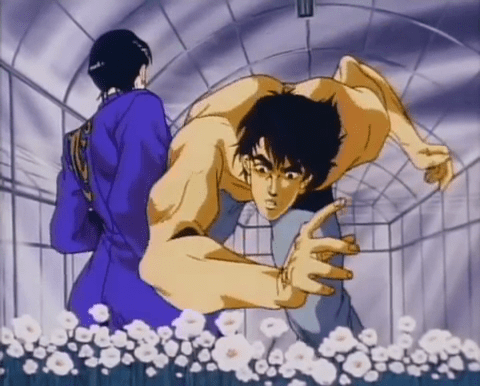
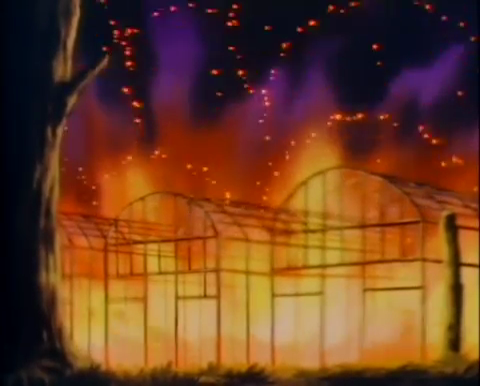
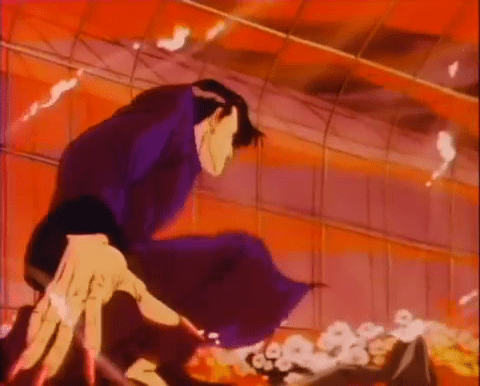
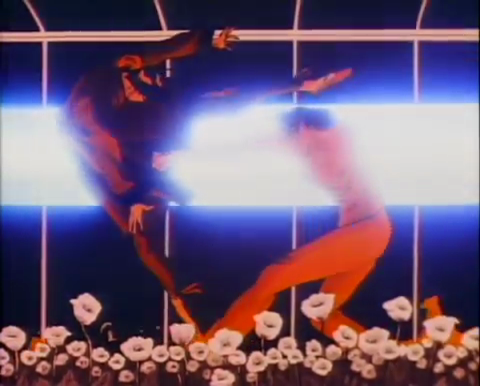
Everything escalates as Riki finds out that the prison is using the inmate’s workforce as a drug producing factory. He burns down the greenhouses and confronts the bosses of the prison, the chairman, his yakuza boss and their right hand fighter. More on him later.

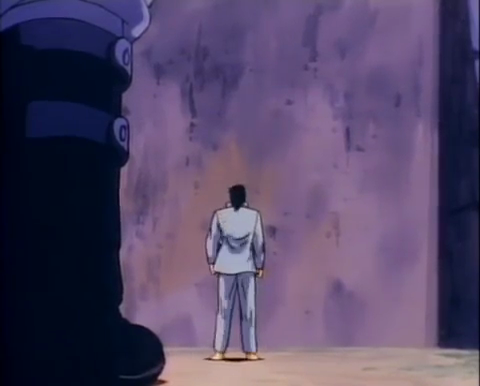
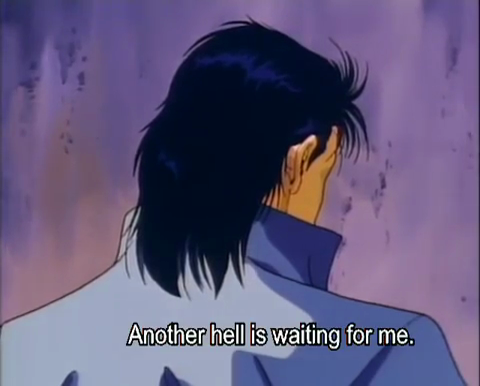
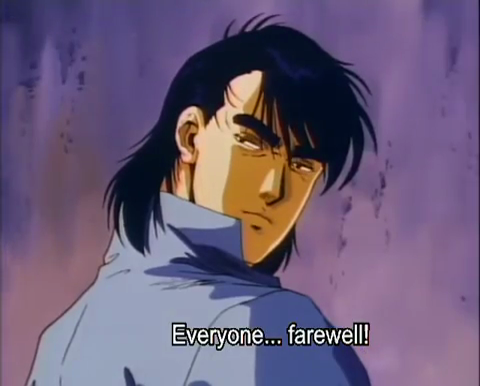
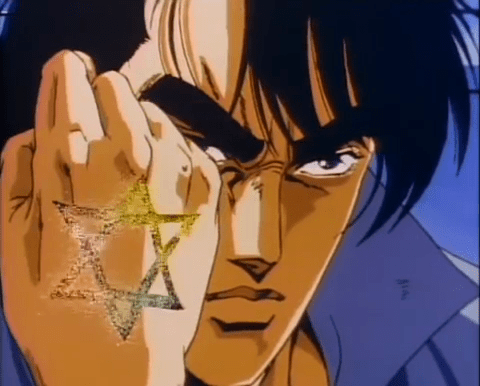
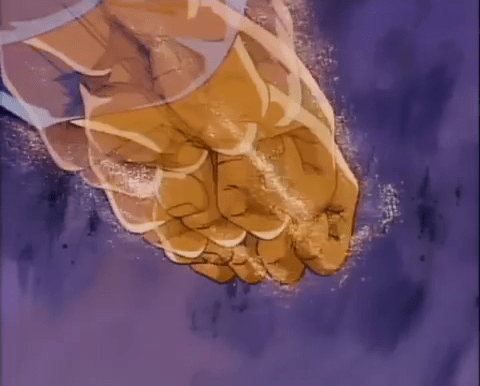
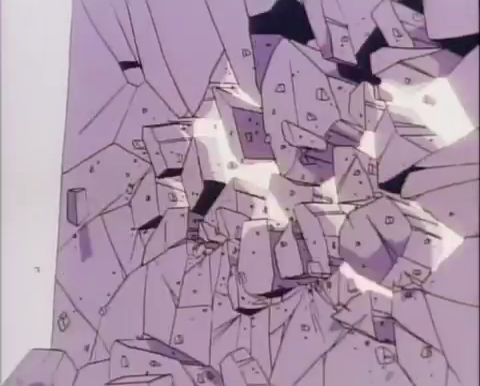
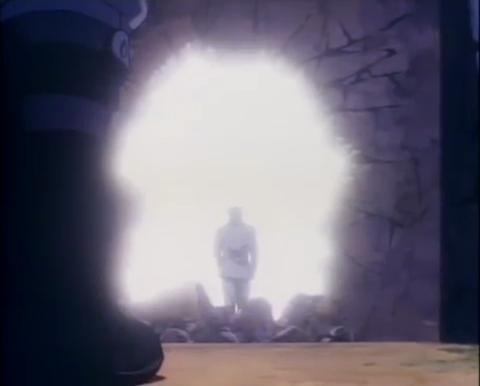
After a lot of violence, a prison riot, and people getting hurt, Riki punches through the prison wall and leaves, towards new adventures.

vlcsnap-2016-08-14-00h23m54s143

vlcsnap-2016-08-14-00h23m58s394

vlcsnap-2016-08-14-00h24m00s804

vlcsnap-2016-08-14-00h24m06s070

vlcsnap-2016-08-14-00h24m08s520

vlcsnap-2016-08-14-00h24m11s160

vlcsnap-2016-08-14-00h24m15s411

vlcsnap-2016-08-14-00h24m25s257

vlcsnap-2016-08-14-00h24m27s678

This is how you exit.

The story is streamlined and not as complex as in the manga, there is for example only one main prison fighter, instead of four, and characters are omitted, while others are changed completely. But it does not hurt the story, it becomes its own thing.

As you can see, the story is explained pretty fast, but it is not the main focus of the OVA anyway. When you watch Riki-Oh, you are here for the spectacle.

Artstyle and Visuals

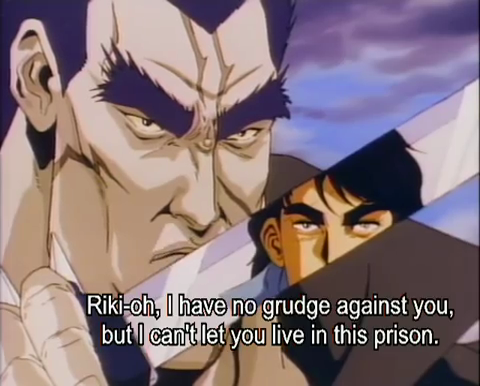
There is no point in denying that this OVA puts a great emphasis on bodies and the presentation thereof. Given that the violence involves a lot of body horror, it makes sense, but the amount of half-naked men in a prison is through the roof. The hypermasculinity of the 80’s comes with a fetish-isation and cult of manlyness that ends up being so over the top that it becomes ridiculous. And I wouldn’t want it any other way.

vlcsnap-2016-08-13-23h17m37s357.png

Naked fight in a prison shower. Man gets punched in boobs. I never thought these two sentences go together.

vlcsnap-2016-08-13-23h58m16s079.png

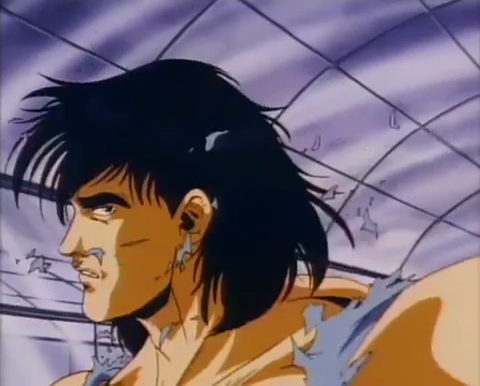
Riki gets punched and his clothes explode, leaving him topless.

vlcsnap-2016-08-14-00h06m16s522

His sit-ups sparkle!

vlcsnap-2016-08-14-00h03m26s885.png

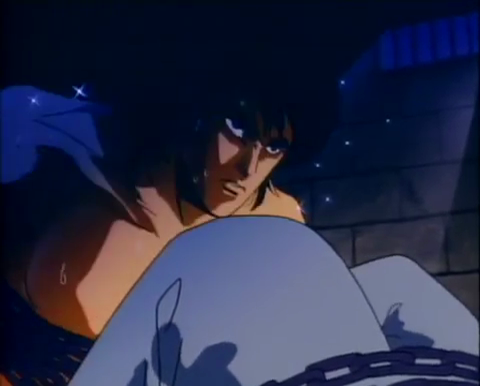
Naked Riki is in chains, BDSM undertones included.

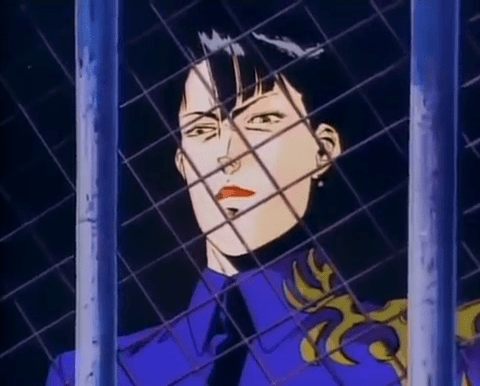
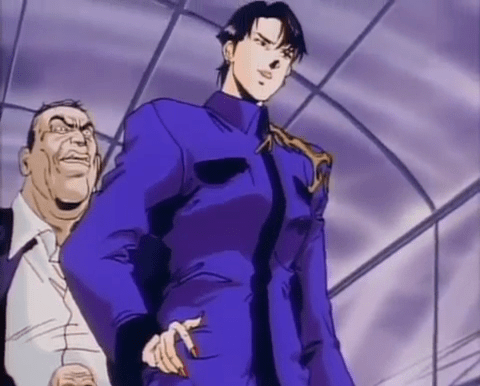
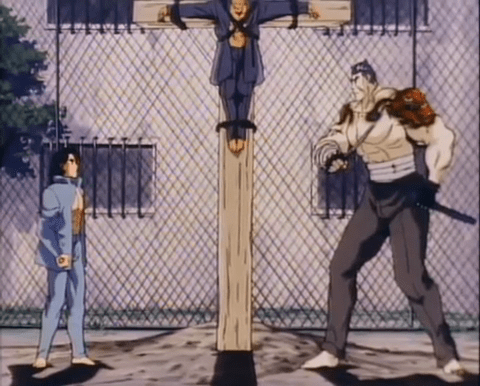
The 80’s fetish of men, and the muscles they have are one thing, but another aspect impressed me, a trope that I really much like in these types of shows: The feminine guy. If everybody has gigantic muscles, strong jawlines and incredible punching power, the nimble, slender and soft-faced guy visually stands out. And that can only mean one thing: That guy is going to kick immense amount of ass. Contrasting gender performances seeing eye to eye and are to be taken seriously!

vlcsnap-2016-08-13-23h55m46s928.png

OH SHIT

vlcsnap-2016-08-13-23h57m47s056.png

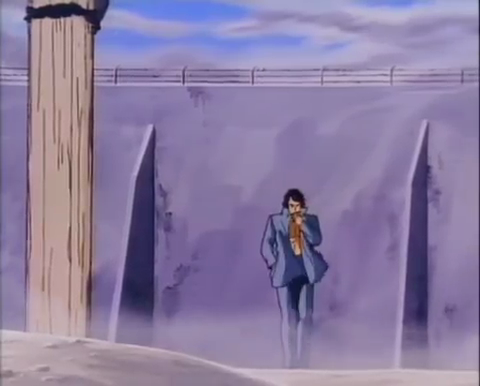
Now that is one badass man who can rock those fingernails! (Not pictured here: His superdeep voice.)

vlcsnap-2016-08-13-23h58m33s531vlcsnap-2016-08-13-23h58m38s827vlcsnap-2016-08-13-23h58m46s058

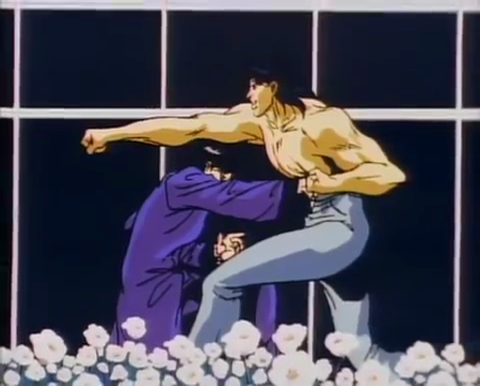
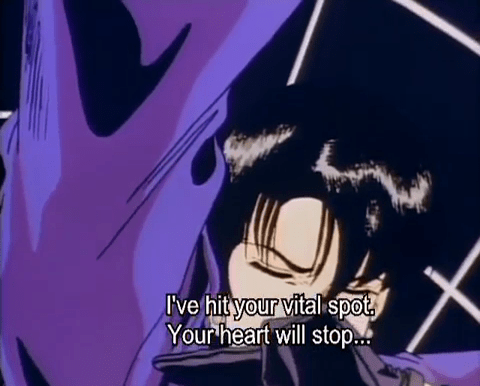
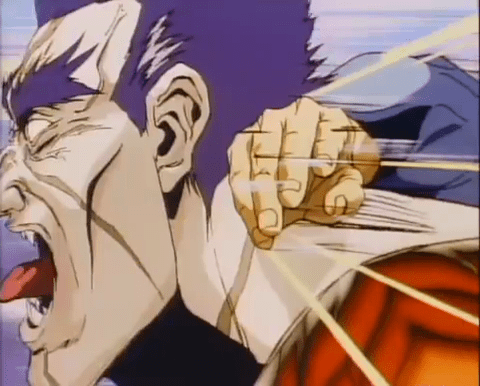
On the matter of framing and presentation, Riki-Oh has some beautifully composed shots, that really do shine in the fight scenes. The animation is not extraordinary, but it gets the job done. Gory shots and violence are animated well, the rest is very static, but still pleasing to the eye. The cinematography in those scenes is lifted straight from the manga and it really shines.

 vlcsnap-2016-08-13-23h34m58s750

vlcsnap-2016-08-13-23h35m57s343

vlcsnap-2016-08-13-23h36m03s730

vlcsnap-2016-08-13-23h36m11s486

vlcsnap-2016-08-13-23h37m25s651

Simple, clean, nicely framed shots that look good. What more do you need?

vlcsnap-2016-08-13-23h39m09s590

vlcsnap-2016-08-13-23h39m15s725

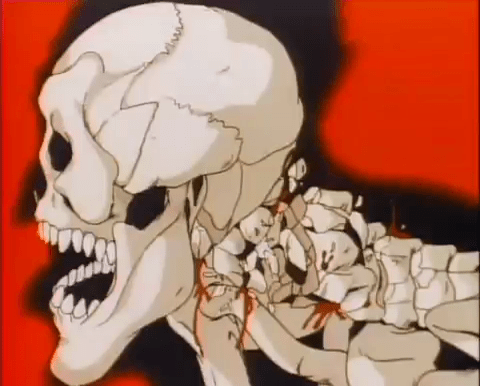
X-ray “impact frame” that shows up only for less than a second. A nice touch.

vlcsnap-2016-08-14-00h12m31s434

vlcsnap-2016-08-14-00h12m32s889

vlcsnap-2016-08-14-00h12m39s280

vlcsnap-2016-08-14-00h16m15s972

vlcsnap-2016-08-14-00h16m24s388

vlcsnap-2016-08-14-00h16m34s301

vlcsnap-2016-08-14-00h16m35s276

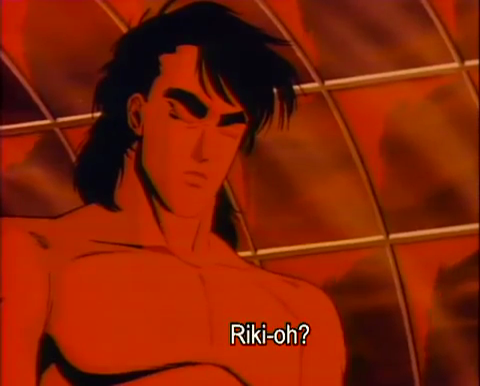
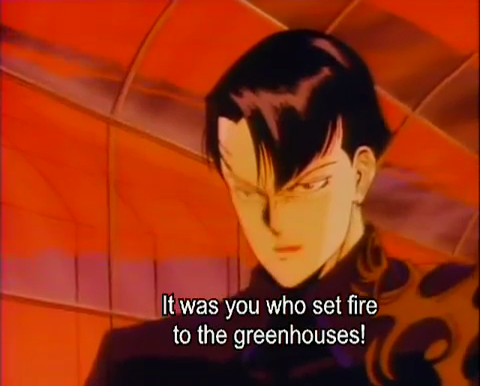
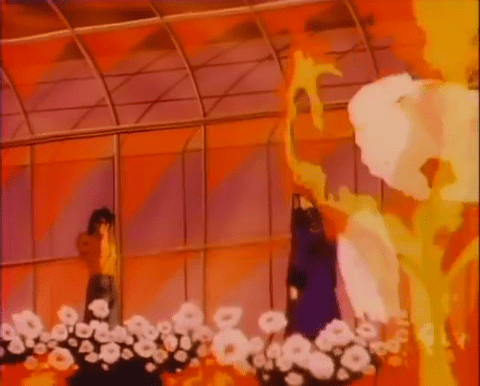
The final fight in the burning greenhouse. Visually pretty impressive!

Conclusion

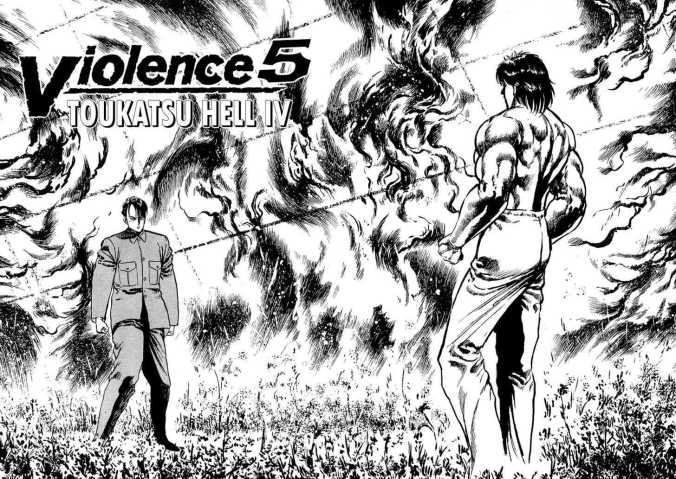
While Riki-Oh is a neat OVA that is very much a child of its time, I would personally love to read the manga some more, for the “way-too-realistic”, yet “too-over-the-top” violence. The violence in the OVA is toned down. Yes, the OVA is tame in comparison to the manga. Eyes get stabbed, people get skinned and the violence never stops. It becomes an insane gallery you walk through and go “Oh, no I never thought you could actually do that!” In addition, it does seem that the OVA does not give the original artwork 100% justice.

riki_oh_v01c05p160_161vlcsnap-2016-08-14-00h12m39s280

The balancing of black and white, as well as the artstyle are stylish. The OVA loses a bit of the “oomph”.

While the original story is a lot longer and features more characters, the Riki-Oh OVA does not waste your time. The pacing is fast and it trims the fat so strongly, that you are only left with the crucial plot points and main fights. Is that bad? No. Instead of an epos, it becomes a snack-sized anime of condensed 80’s that you can watch in one go and think: “Oh yeah, that was a nice trip to the past!”

If you are interested in the time capsule that is Riki-Oh, give it a watch. It is not a landmark of the genre, but a cult classic – well, that title would rather go to the manga and the live action adaptation – but it is a nice short action flick for a rainy afternoon, when you craving fun and camp goodness.

end

This has been Riki-Oh: Toukatsu Jigoku (The Wall of Hell)

MAL

Wikipedia