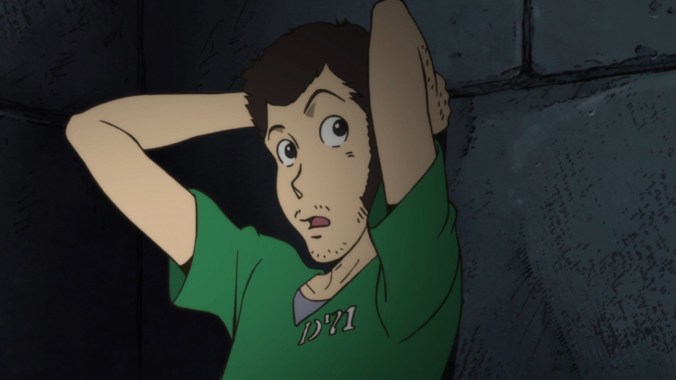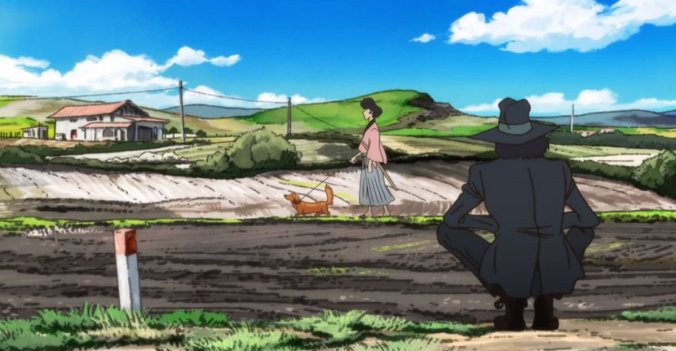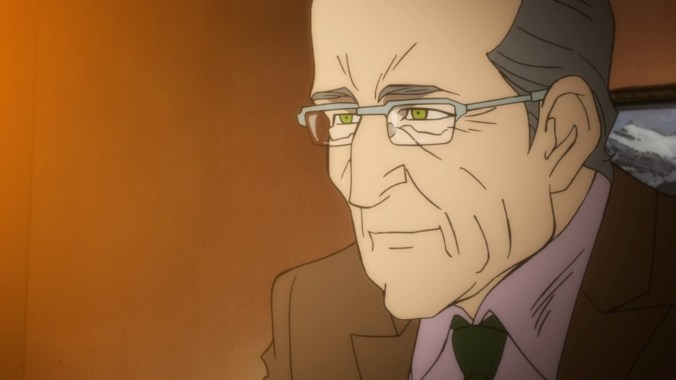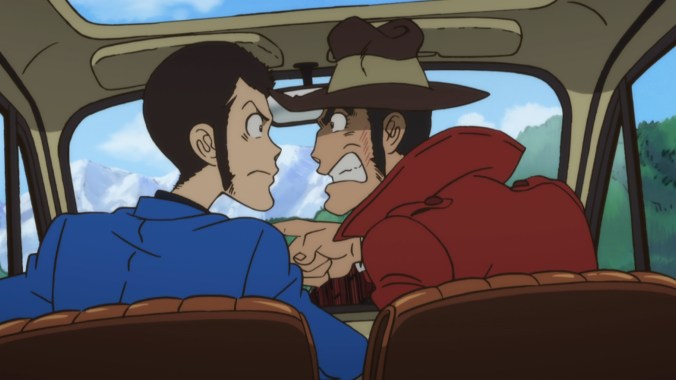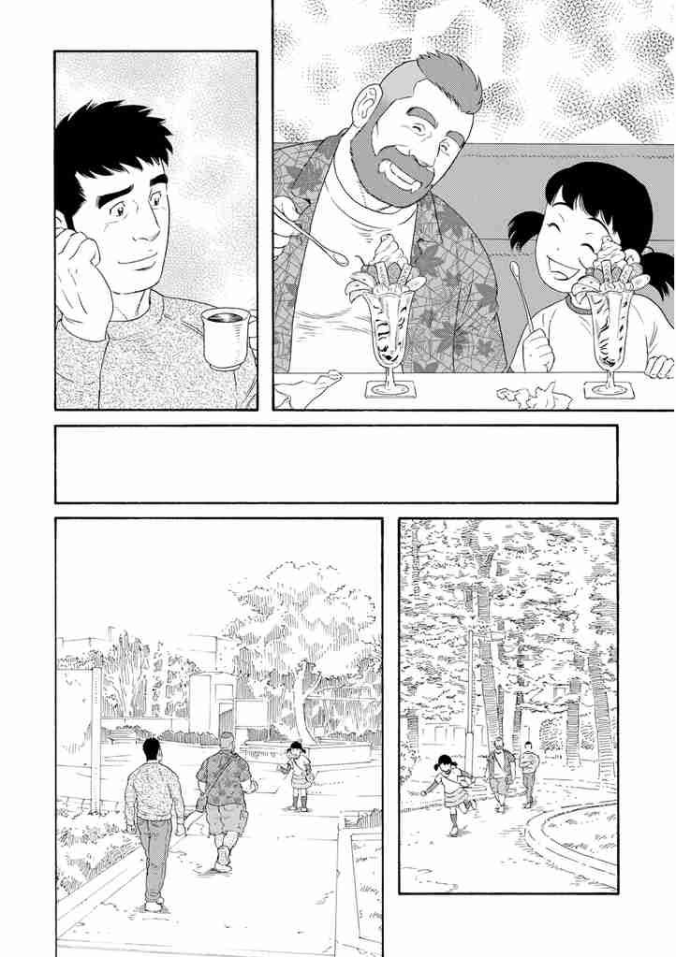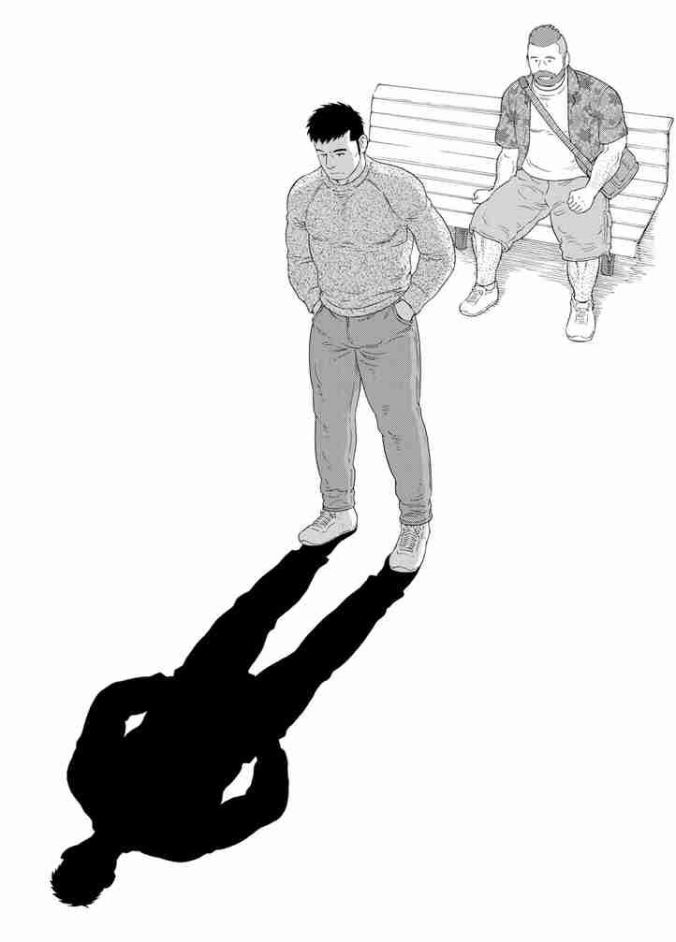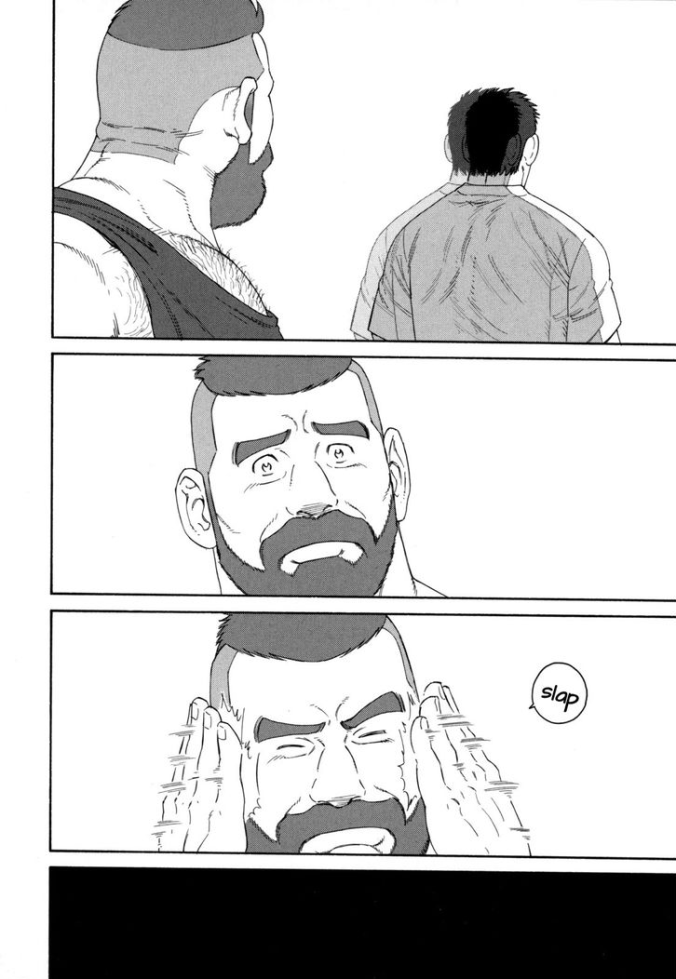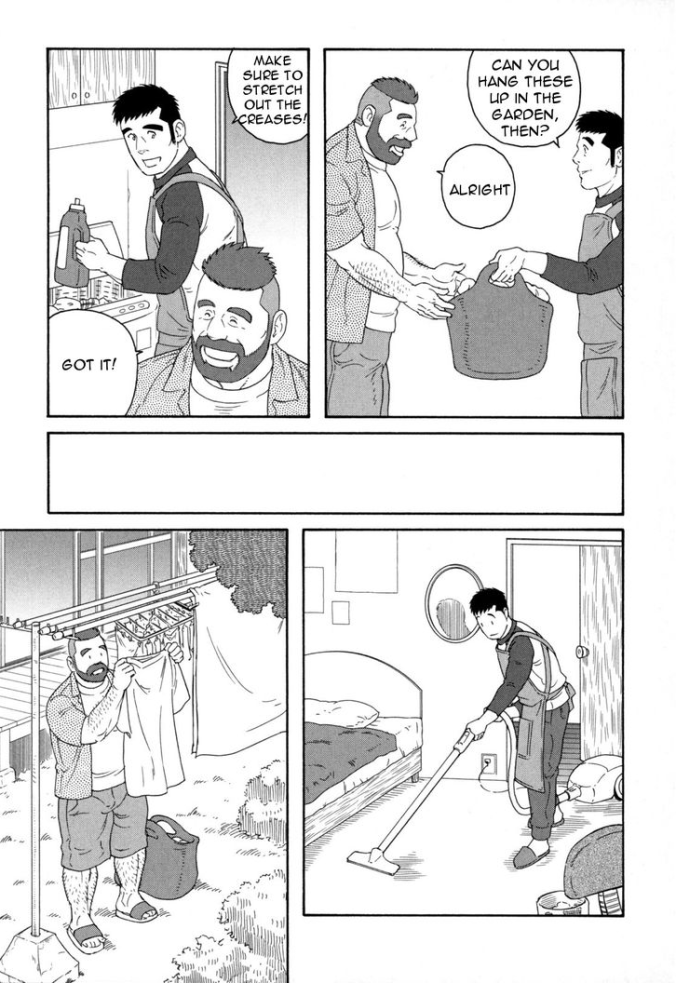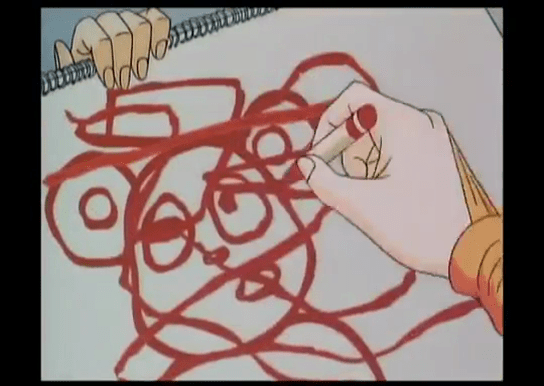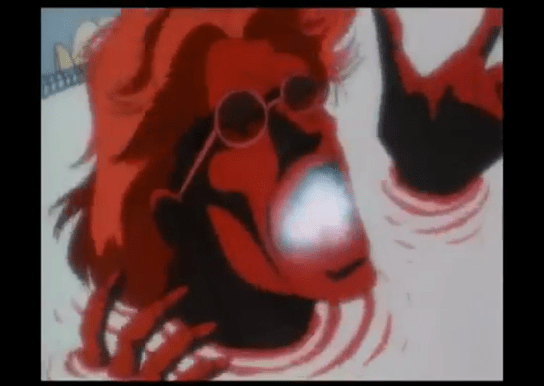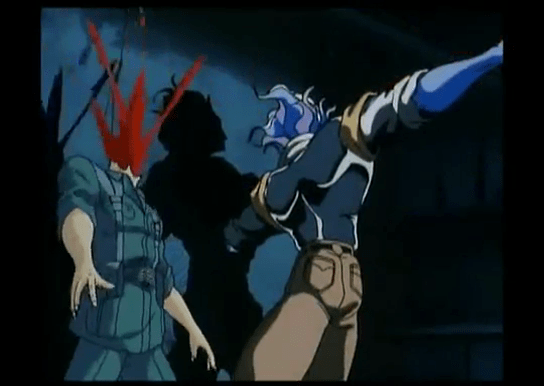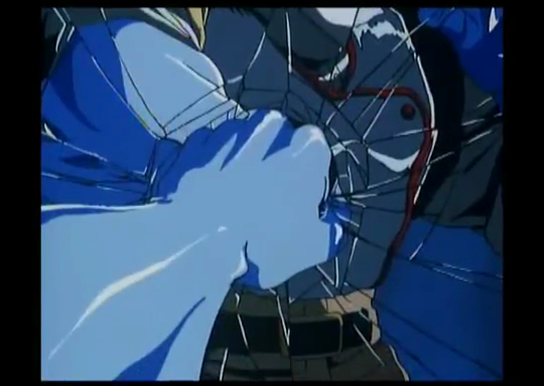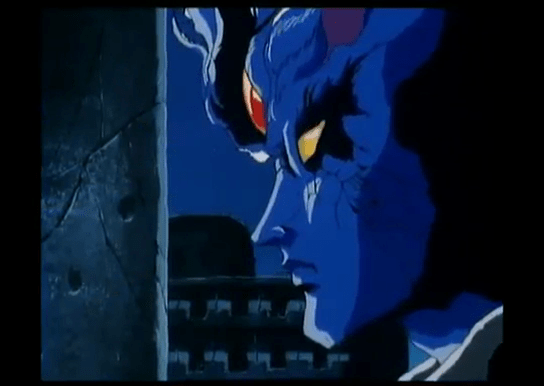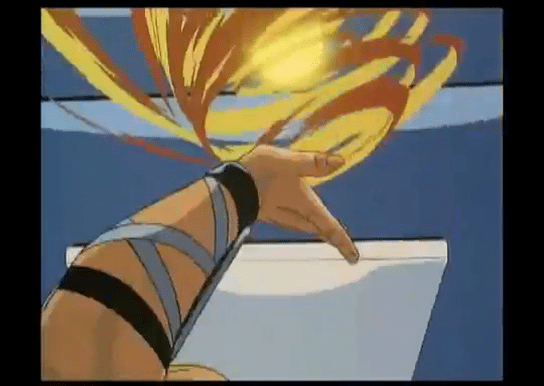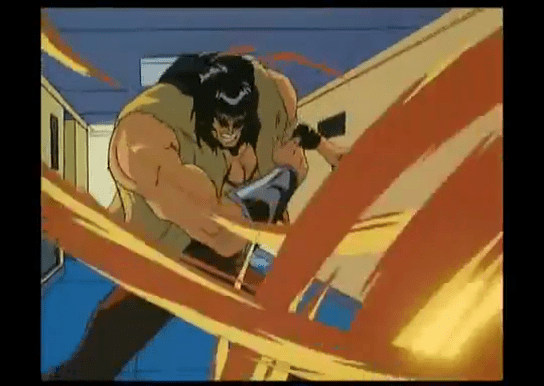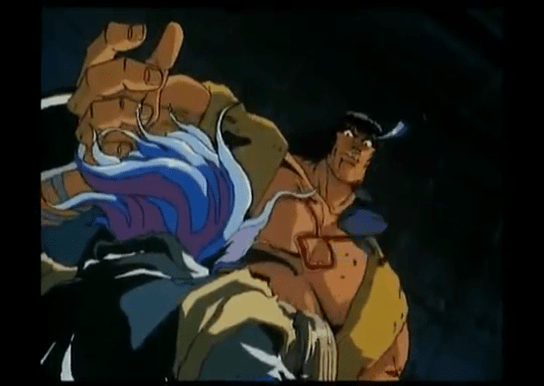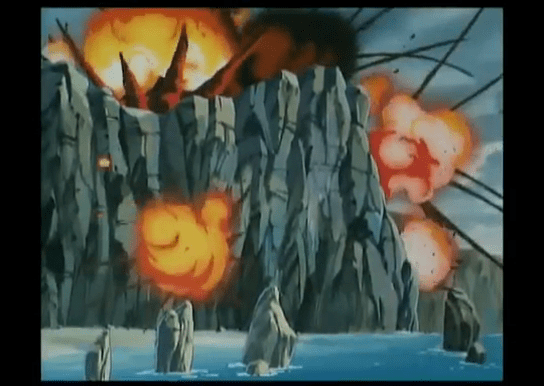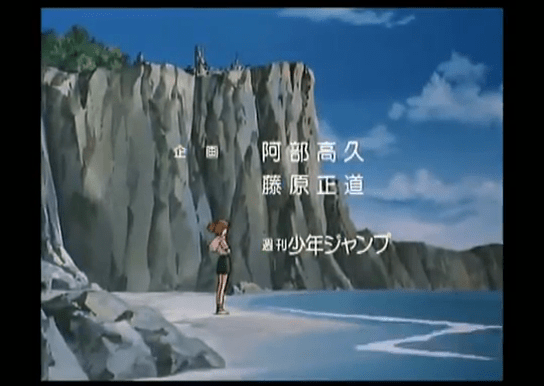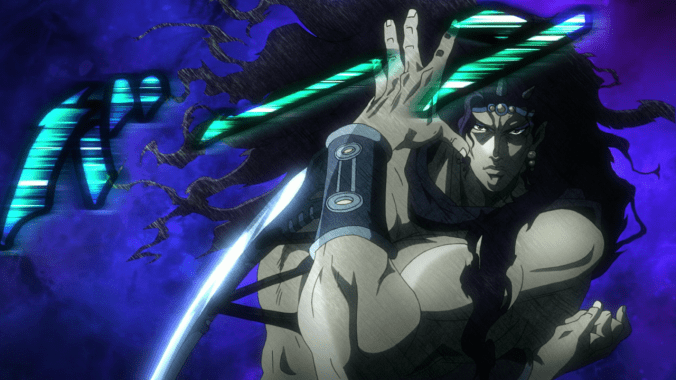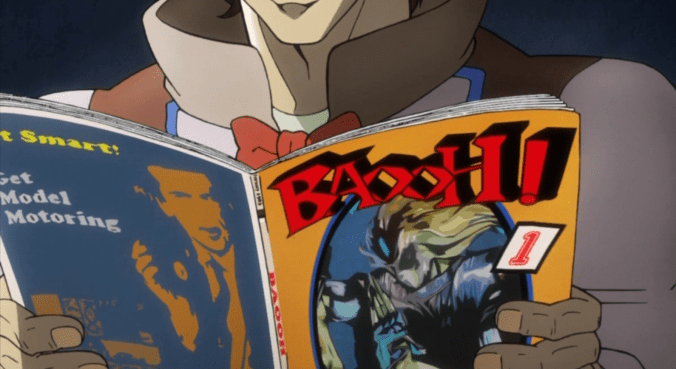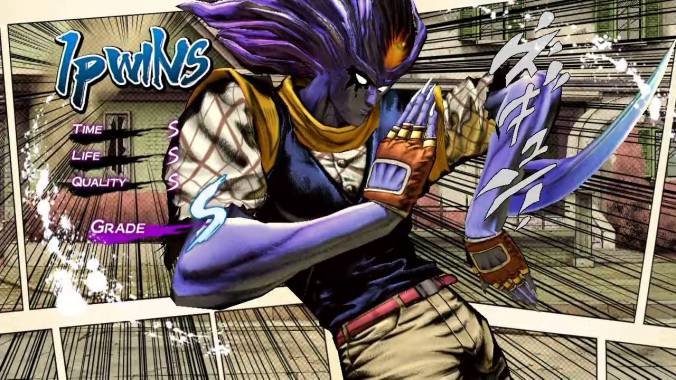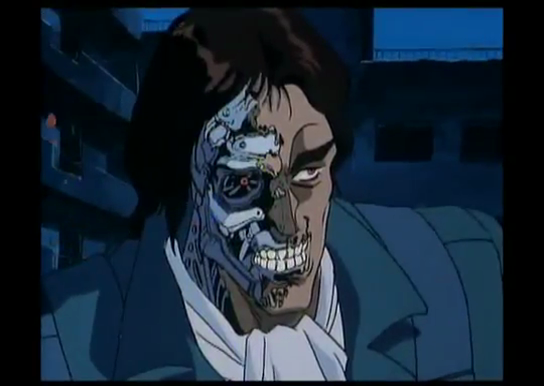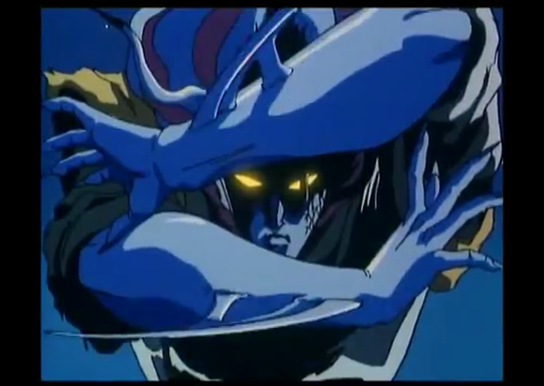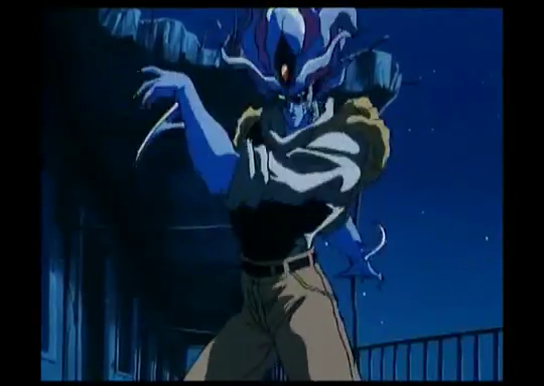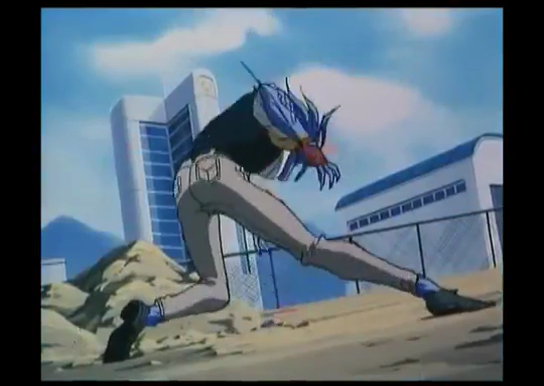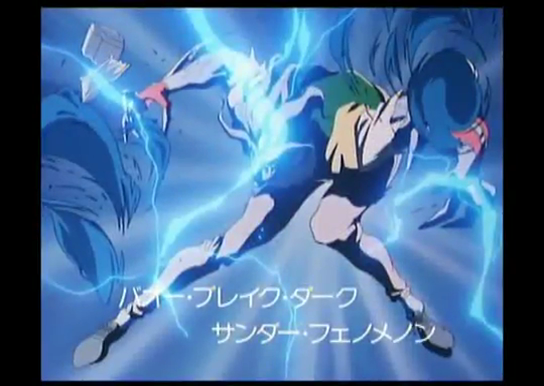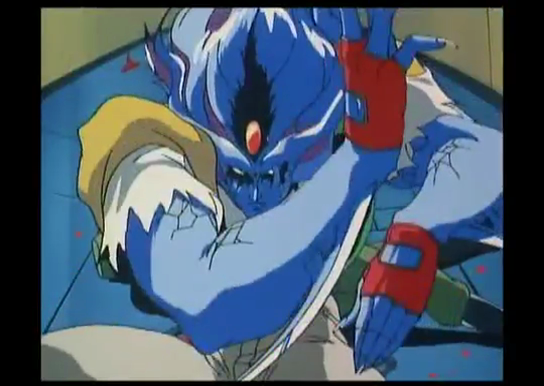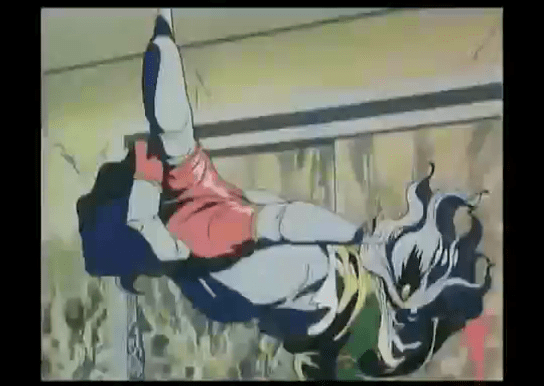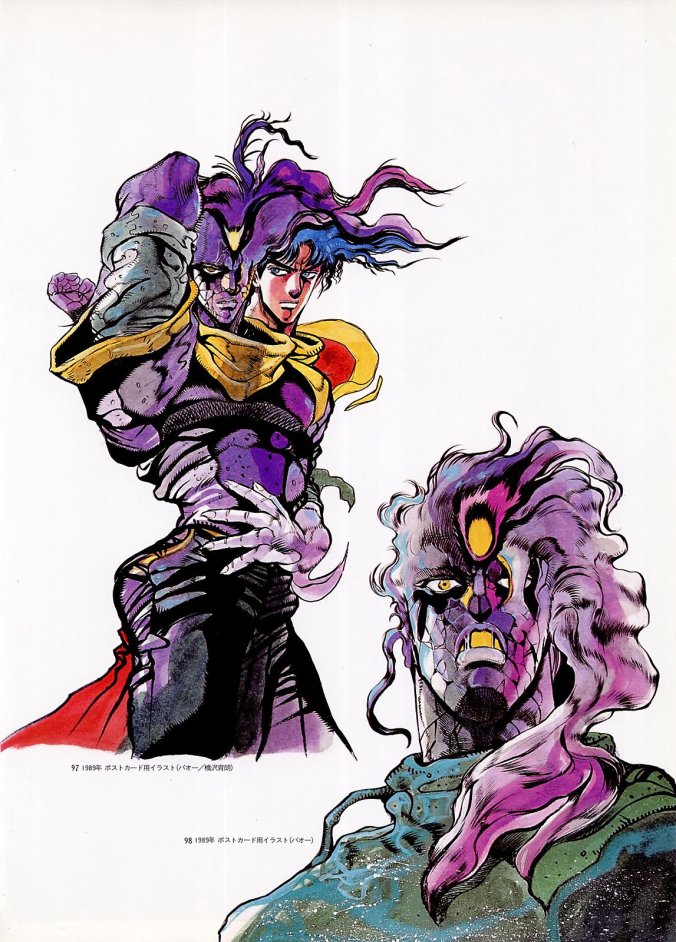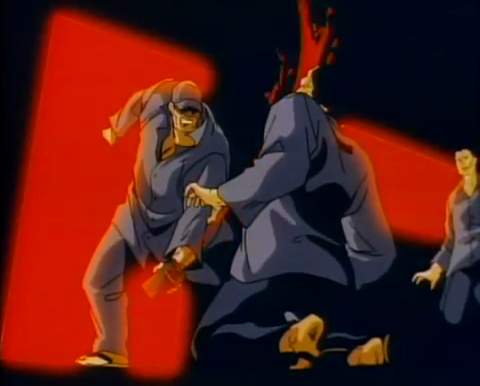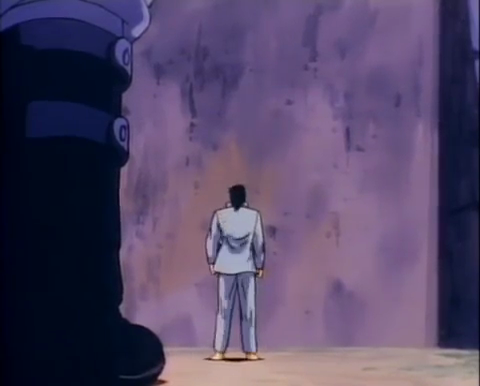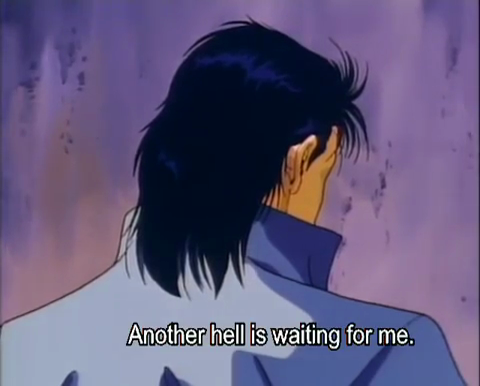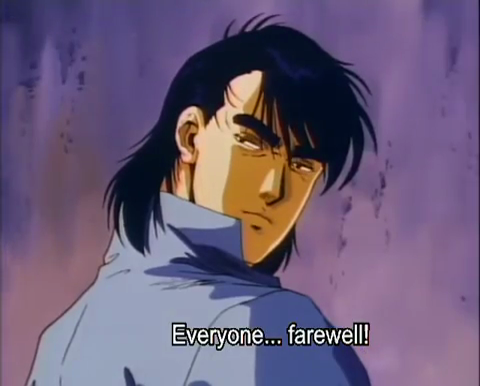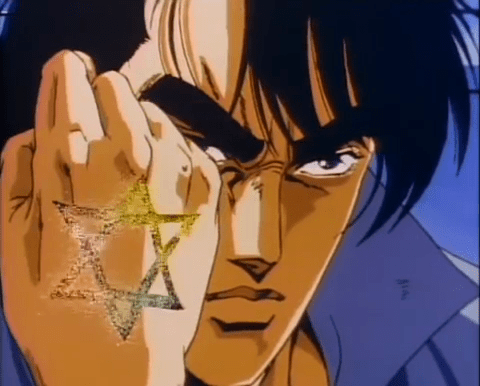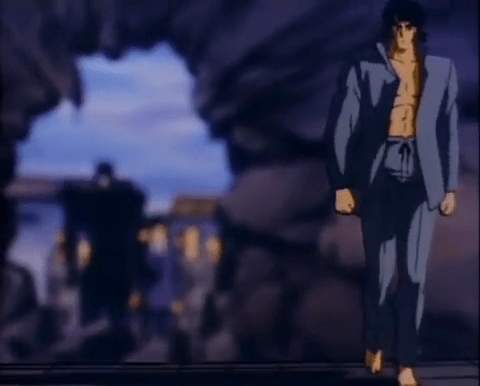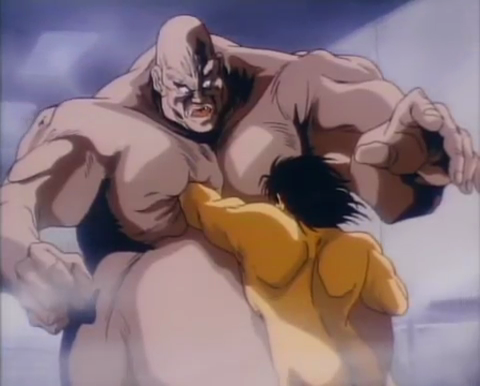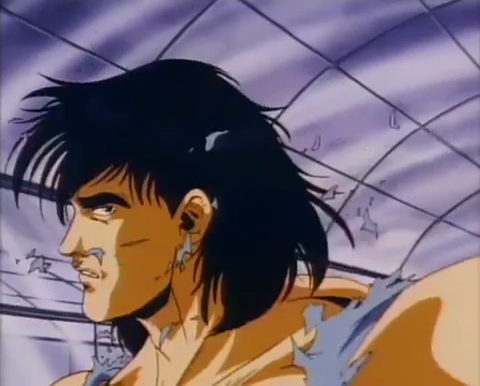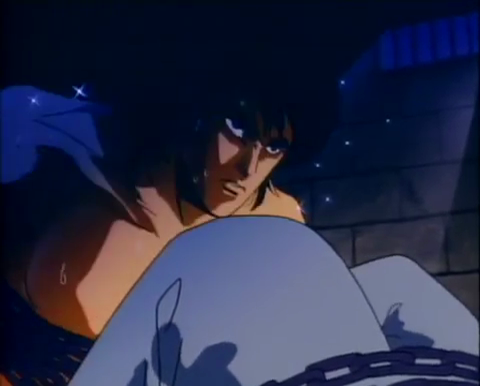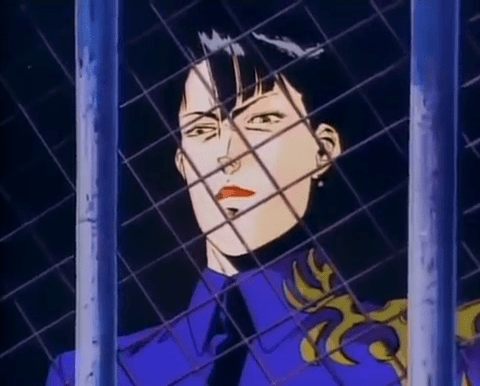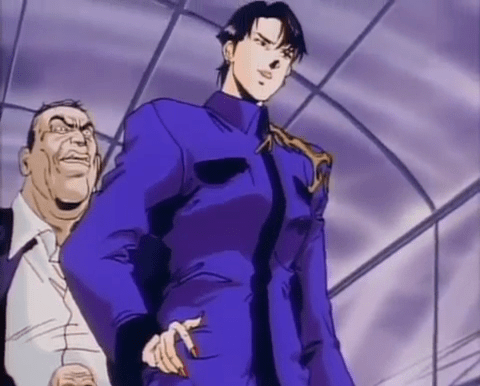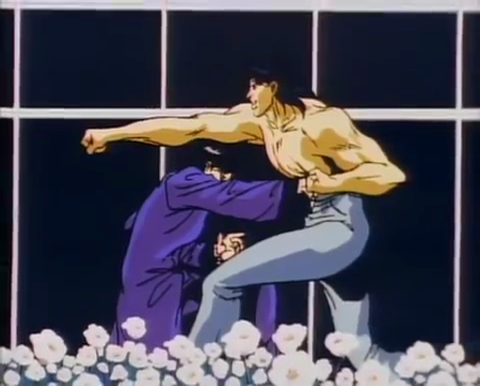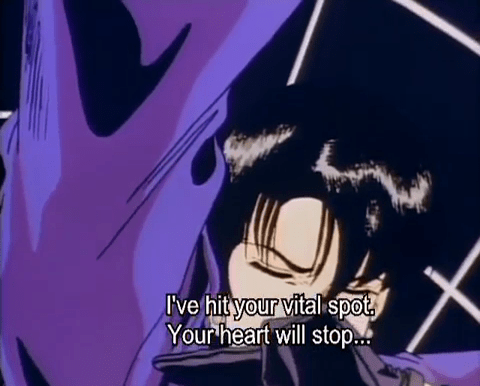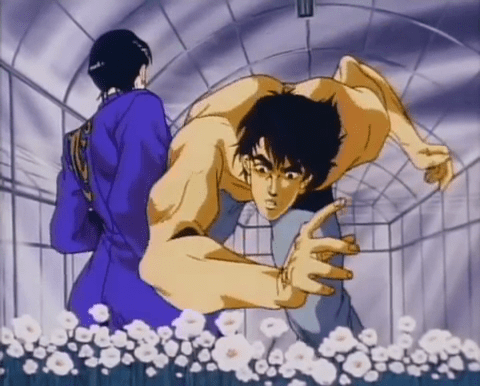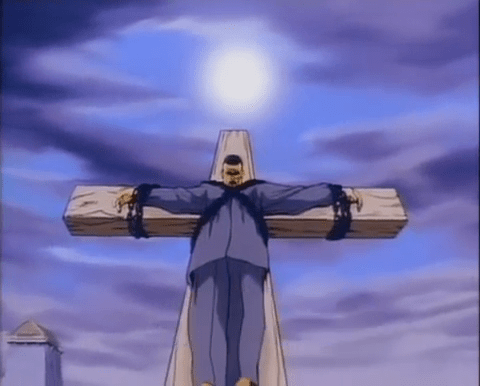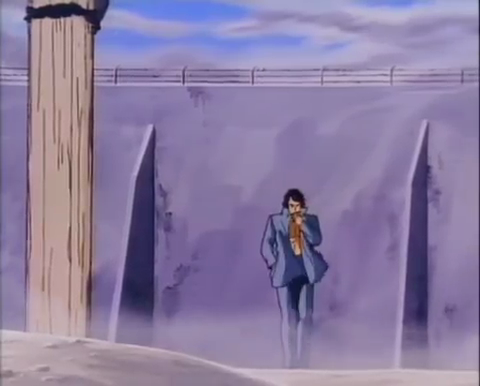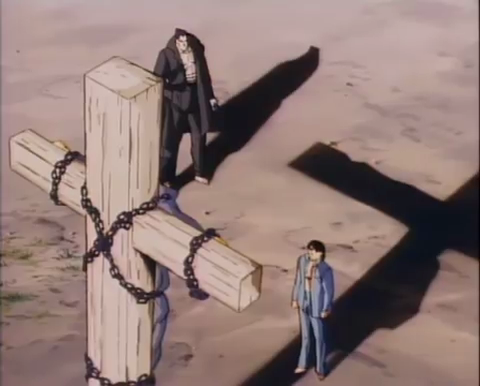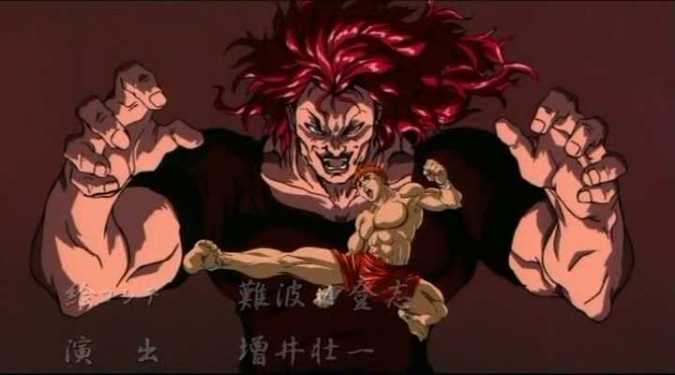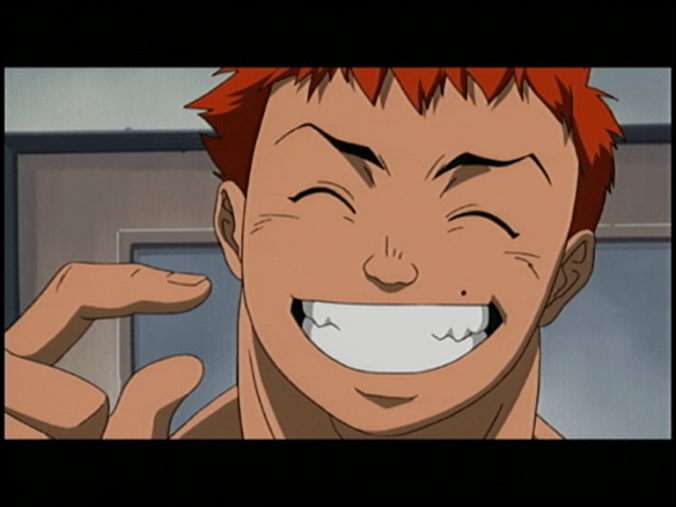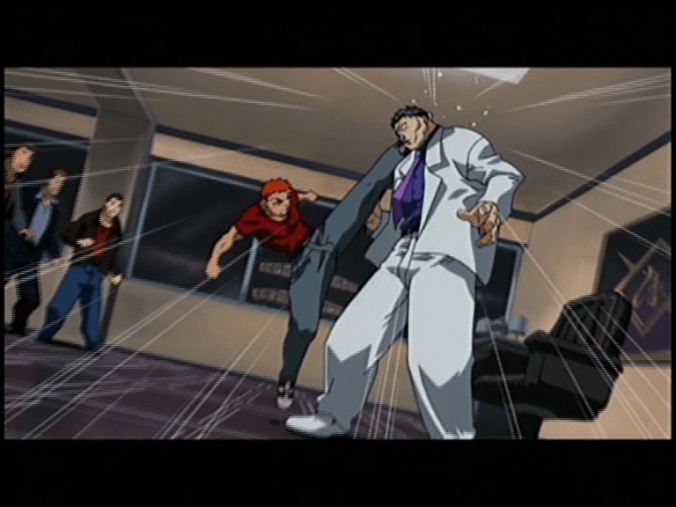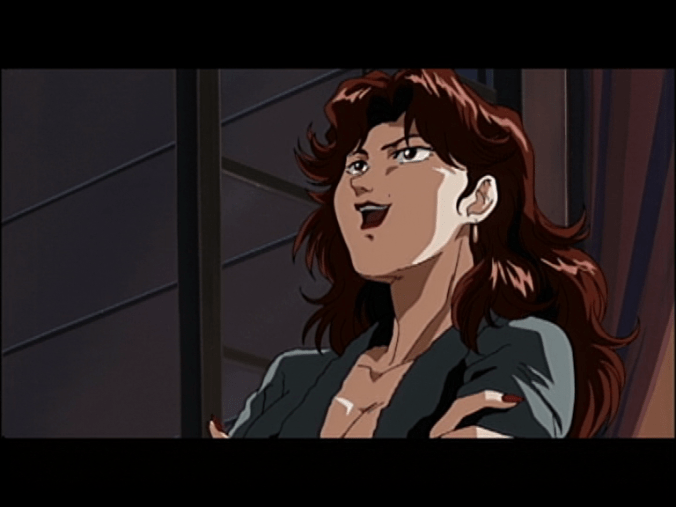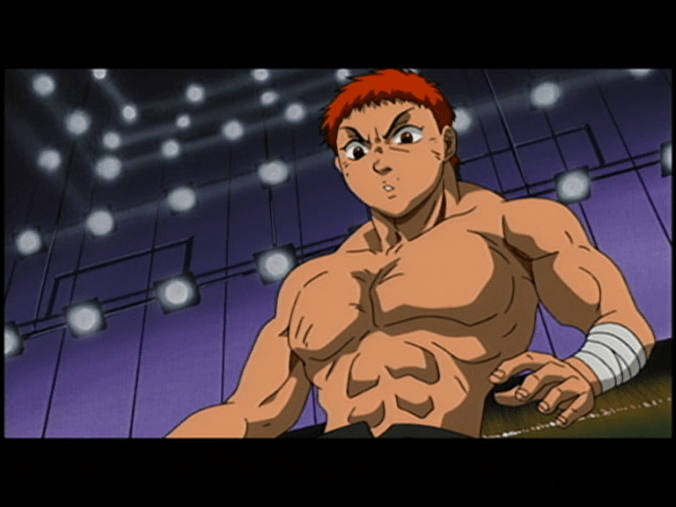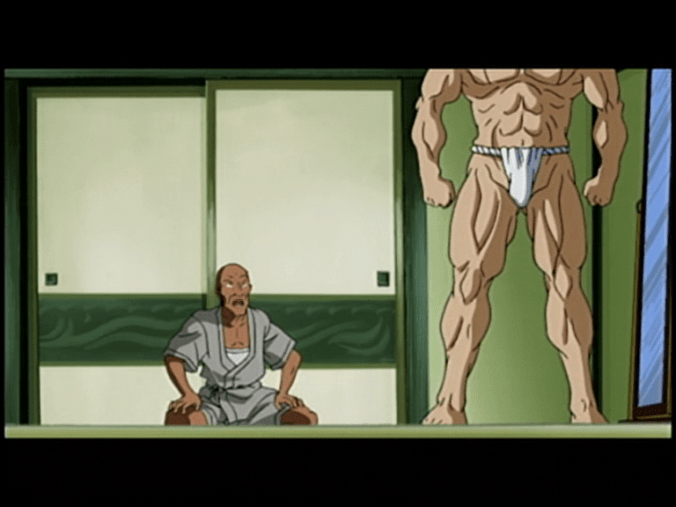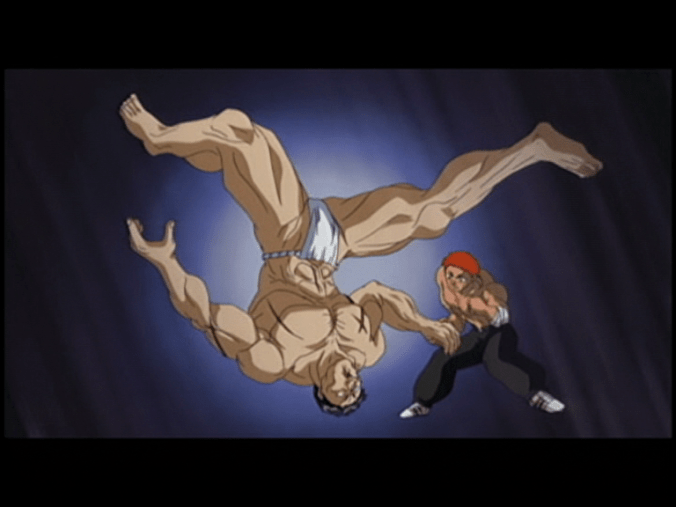
MANLY MONDAY – “Bastard!!” (OVA): When Shonen Jump met Heavy Metal

000

The Weekly Shonen Jump magazine is one of the biggest and most influential around the globe when it comes to manga and pop culture in general.

One Piece, Naruto, Dragon Ball, Yu-Gi-Oh!, Bleach, Jojo’s Bizarre Adventure and many, many more were published in the magazine, where they would gain worldwide popularity, critical acclaim and the love of millions of fans all around the globe. However, there are also the smaller ones that time has forgotten, even though they sold millions.

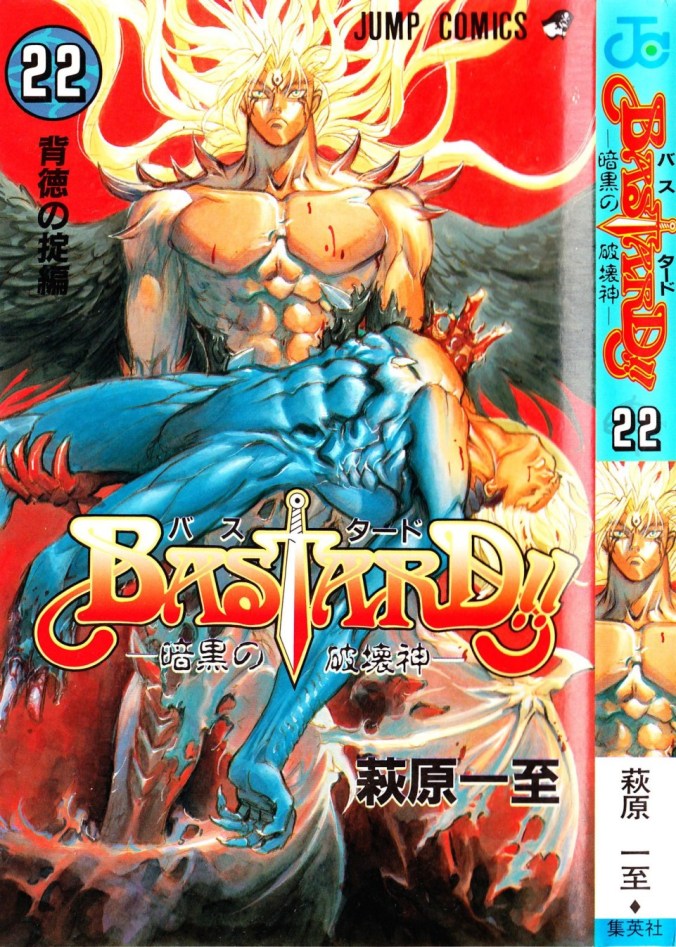
One of those is “Bastard!!”.

Bastard has been running since 1988 uninterrupted in Shonen Jump, then switched to the Seinen-oriented Ultra Jump in 2000, and continues today, making it one of the longest running series in the magazine. The series has about 30 million copies in circulation, which makes it one of the higher ranked manga series. (To give you a point of reference, Death Note is also at 30 million, Sailor Moon is at 35 million, and Haikyuu!! at 28 million.)

The Bastard manga doesn’t seem to have the same reach as the others in that league, but it still is a very interesting piece of media to look at, even if it may not be as popular as its contemporaries.

Instead of going through 31 years of manga, we will look at the standalone OVA series, which came out in 1992, and see what makes this 6-episode series a beautiful time capsule of the 80’s.
vlcsnap-2018-08-08-22h48m15s429

Bastard!! – Destroyer of Darkness!

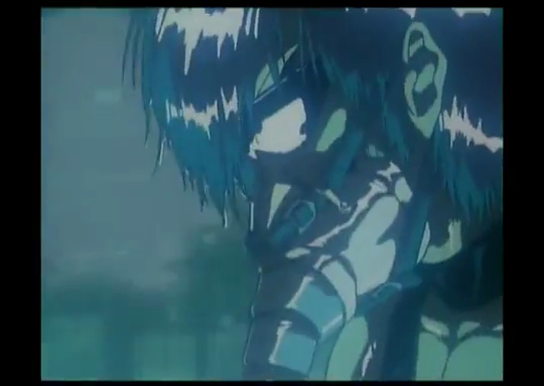
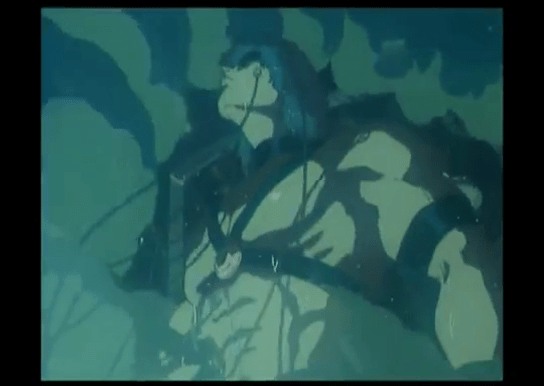
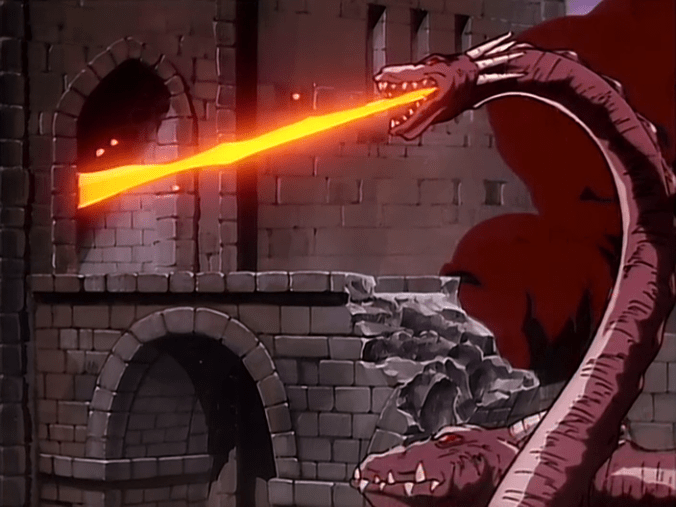
The high fantasy adventure story unfolds in the lands of “Metallicana”, where the four “Evil Lords of Havoc” are attacking the castle of the king. They have sent in the powerful wizard Osborn to attack the fortress with a gigantic Hydra.
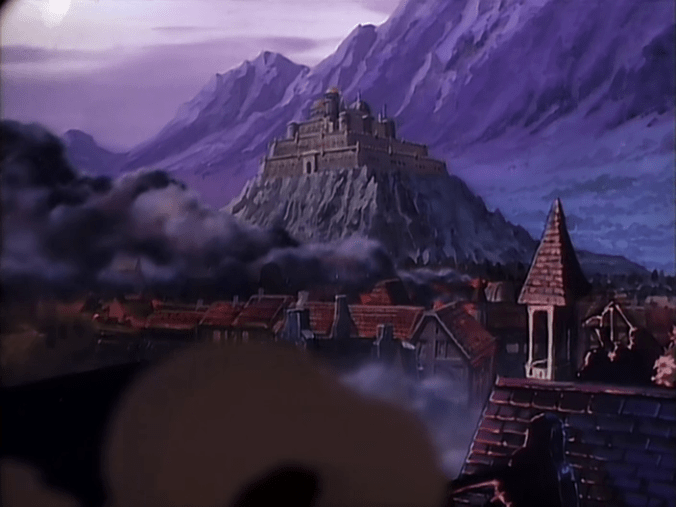
vlcsnap-2018-08-08-22h49m22s933

vlcsnap-2018-08-08-22h50m47s178

In the castle, the magicians and knights are helpless. They are losing all their men, the damage done to the castle walls is getting worse by the second with this raging beast that cannot be stopped.

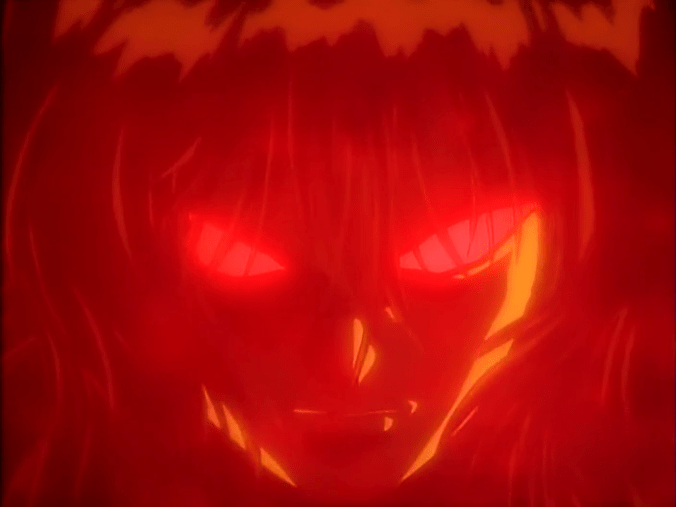
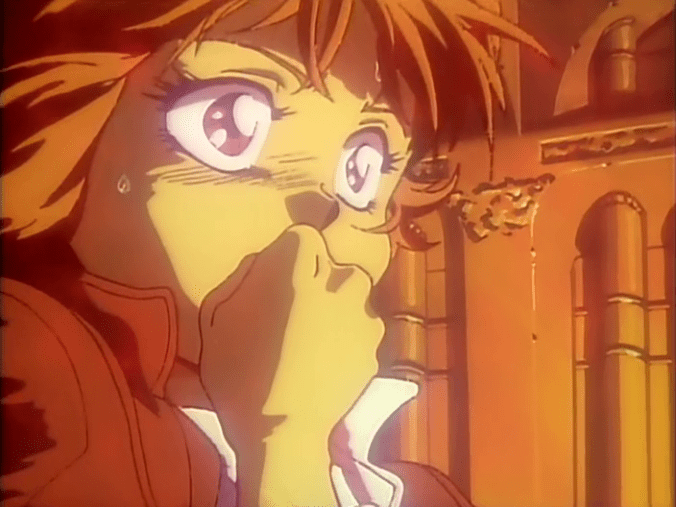
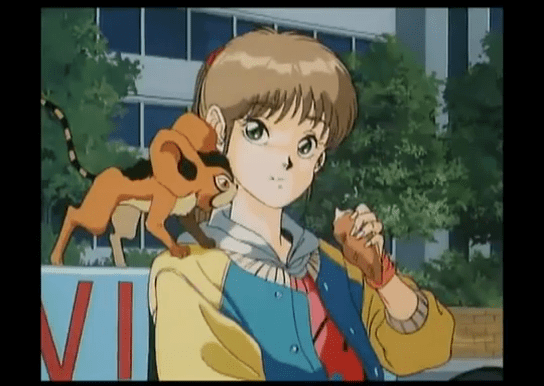
Somewhere in the castle, the young priestess Tia is told by the Great Priest that she holds the key to turning this desperate situation around: If she kisses her childhood friend Ruche, she will release the legendary wizard who was sealed inside him a long time ago. Reluctantly, she agrees – and promptly, hell breaks loose.
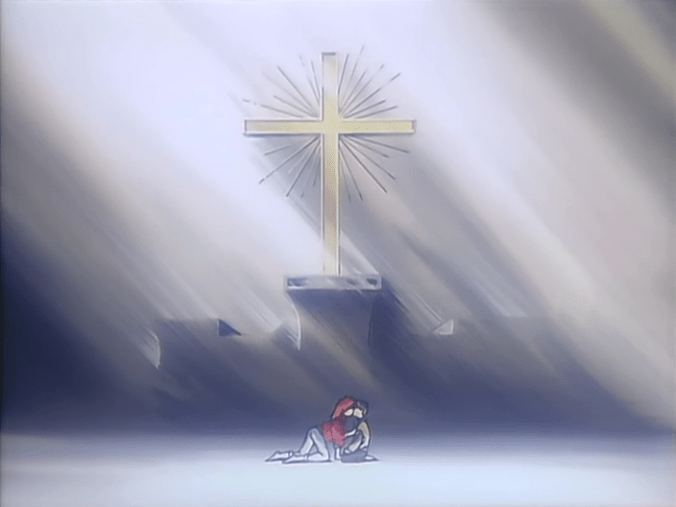
vlcsnap-2018-08-08-23h01m12s592vlcsnap-2018-08-08-23h02m10s065vlcsnap-2018-08-08-23h02m14s236vlcsnap-2018-08-08-23h02m16s742vlcsnap-2018-08-08-23h02m18s199vlcsnap-2018-08-08-23h02m34s926vlcsnap-2018-08-08-23h02m39s643

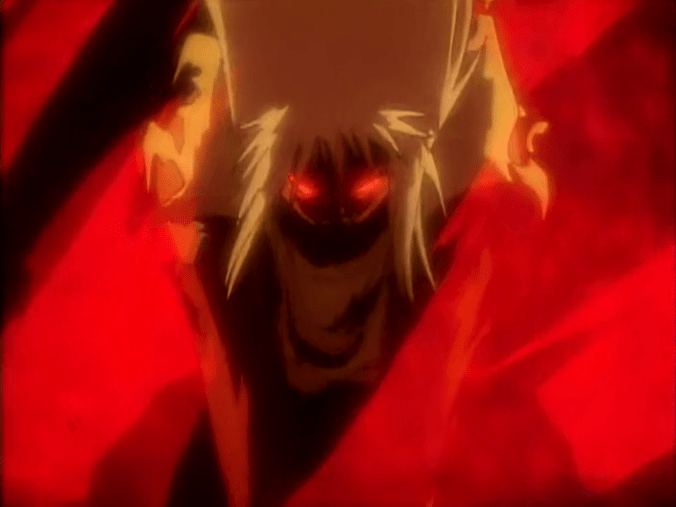
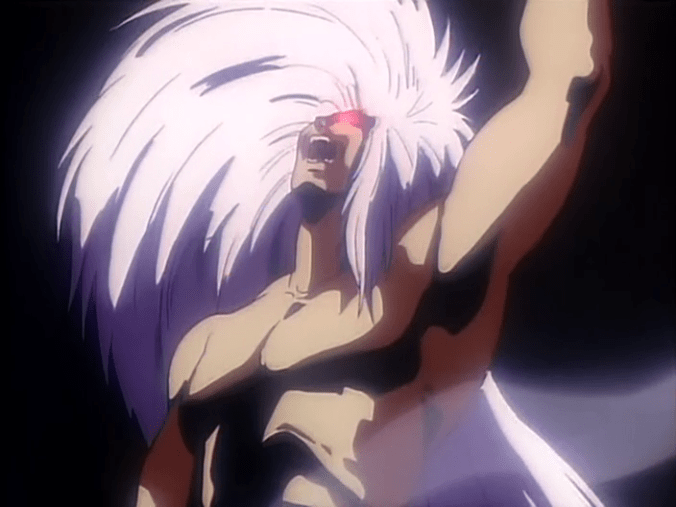
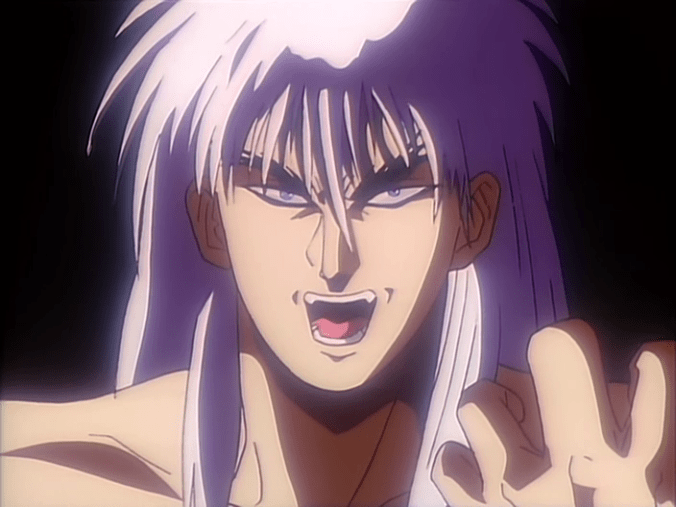
She has awoken one of the ancient enemies of the kingdom: Dark Schneider.

A powerful dark wizard and egoistic tyrant, who once belonged to the four “Evil Lords of Havoc” – they were once a team of five. And he is quite upset about having been sealed away for the last 15 years. He wishes to destroy everyone in his path and go back to being an overlord, but as it turns out, his host Ruche did more than just sealing him away: As he is using the young teenage boy’s body, he is changed by the empathy and friendship he had towards Priestess Tia – even if it’s just marginally, he cannot do her harm.

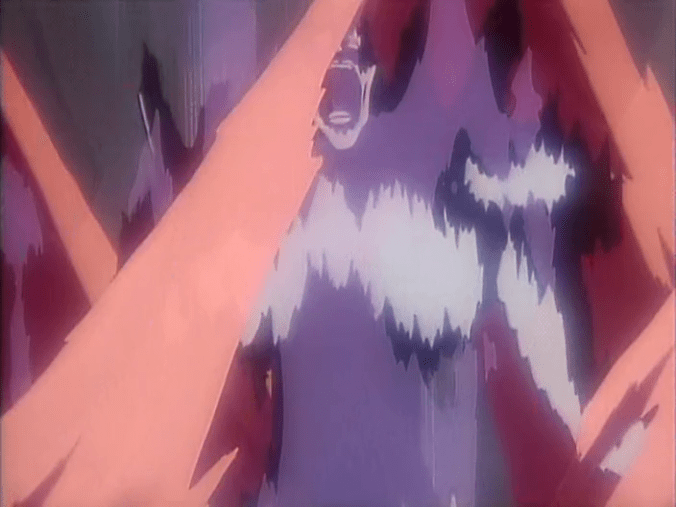
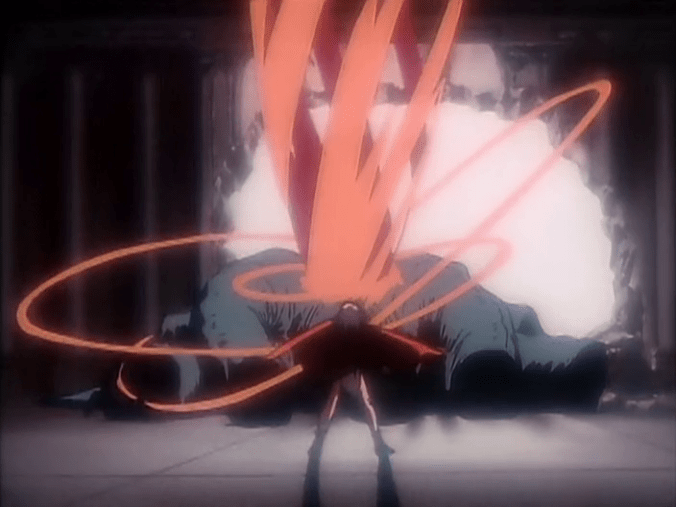
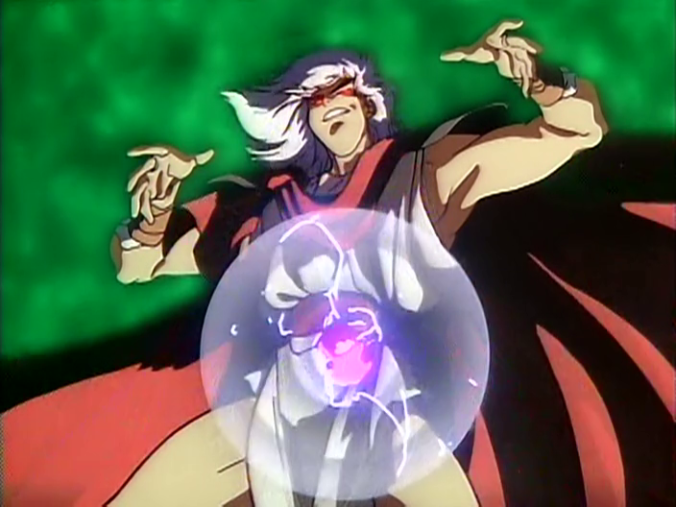
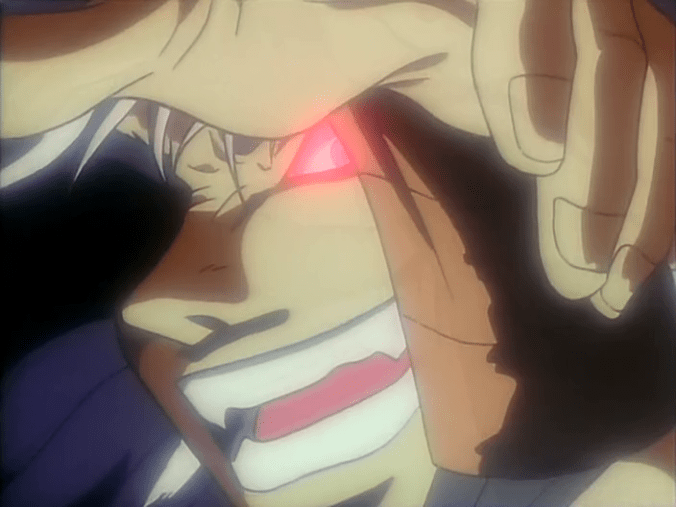
Meanwhile, the Hydra and Osborn arrive in the throne room, sure of their victory. As they spot Dark Schneider, they freeze: He was believed dead for the last 15 years, and now the old ally is back? However, Dark Schneider has had it with all this mayhem around him, and simply decimates the attackers with a dark spell.
vlcsnap-2018-08-08-23h08m56s441vlcsnap-2018-08-08-23h09m00s311vlcsnap-2018-08-08-23h09m04s442vlcsnap-2018-08-08-23h09m08s607vlcsnap-2018-08-08-23h09m10s151

The “Slayer’d” spell, turning Osborn into dust.

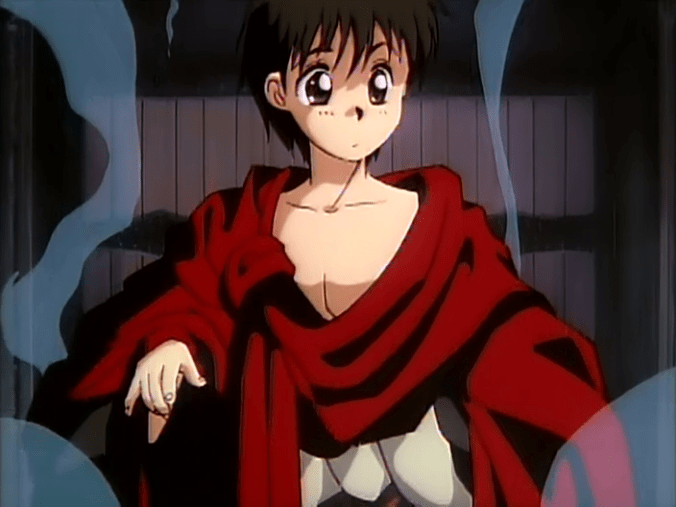
And so, the new Dark Schneider is back, slightly changed, and having feelings for Tia, the childhood friend he never actively met, but knows that she is important to him as a person. As the episode ends, he kisses her and thus accidentally turns back into his host’s form, Rushe, who has no clue what happened to him.

Tia and Rushe embark on an adventure together, to fight the four “Evil Lords of Havoc”, and stop their plans to destroy the world.

vlcsnap-2018-08-08-23h10m42s001vlcsnap-2018-08-08-23h10m50s580vlcsnap-2018-08-08-23h10m58s887vlcsnap-2018-08-08-23h11m00s806vlcsnap-2018-08-08-23h11m33s427 Episode 1 ends, the adventure ahead of them.

This is how Bastard begins, and immediately, three stylistic choices will jump at the viewer at full force: The very 80’s design, the high fantasy setting straight out of a Dungeons and Dragons session, and the abundant use of Heavy Metal references.

Triple the Style, Triple the Fun

I. Heavy Metal

Dark Schneider is a reference to German heavy metal singer Udo Dirkschneider, the country of Metallicana is pointing to Metallica, and Captain Bon Jovina at Bon Jovi. And it doesn’t stop here, there are 5 more episodes to go, we will meet King Di Amon (a vampire lord who wears Kiss-like facepaint), and other different dark magic spells, such as HellionBooryan Deado, Gunsun-Ro or the all-destroying MEGADESU.

(Depending on translation, the names might be changed to avoid copyright issues, the anime goes for example for “Meta-Rikana” instead of “Metallicana”, while my German manga copy left the name unchanged.)

Similar to Jojo’s Bizarre Adventure, another long-running Shonen series, the names of real life bands and singers will be used for characters, and this becomes its own brand of fun to ‘spot the references’. Some will be more out in the open, such as the castle of Whitesnake, but some more obscure, like the Dark Priestess Abigail.

However, it is not only a way to pay homage to a whole music genre, but it also weaves itself to the fantasy setting, which also had its influence in the metal genre.

II. Fantasy Aesthetics

One thing that I have to immediately point out, is the beauty of the world design, especially in its use of backgrounds.

This slideshow requires JavaScript.

Gallery of Backgrounds, swipe/click right to flick through

The hand-painted landscapes and architectural designs make the world grounded and graspable, and the different settings every episode make for new, unpredictable highlights of carefully crafted art.

Together with the grand scope of armies fighting, the world being in danger, and the heroes roaming the lands together, we get a grand, bookish feeling of worldbuilding. There is history and depth here, even in this short running time.

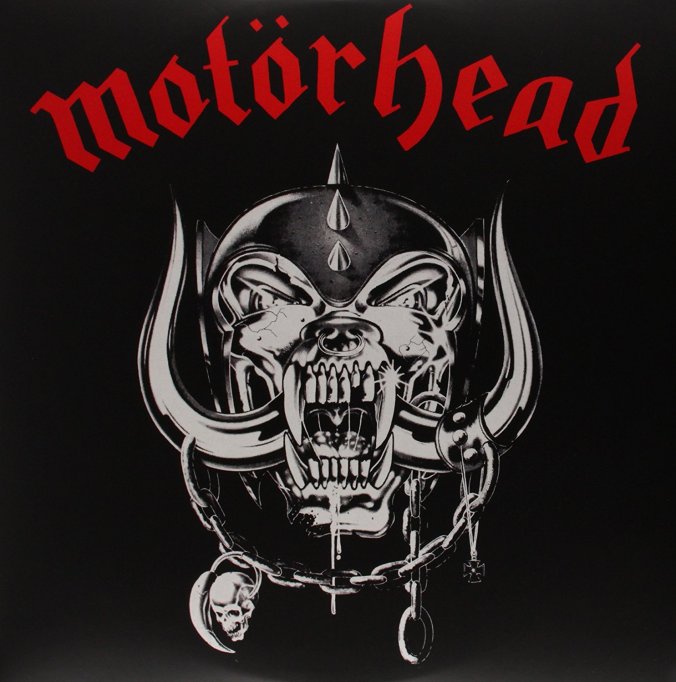
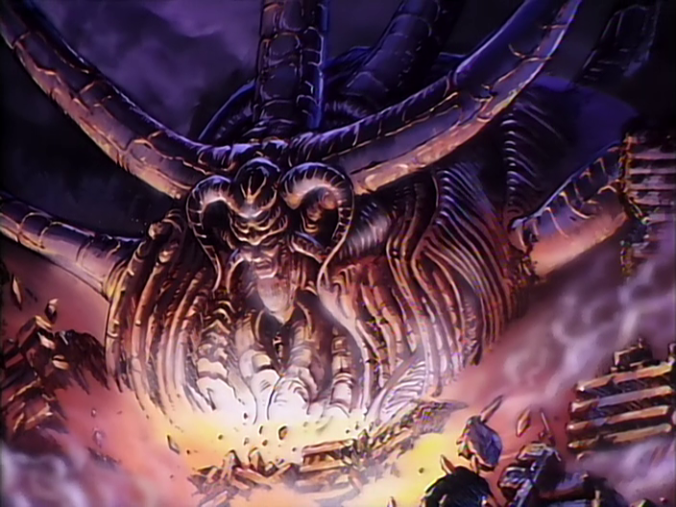
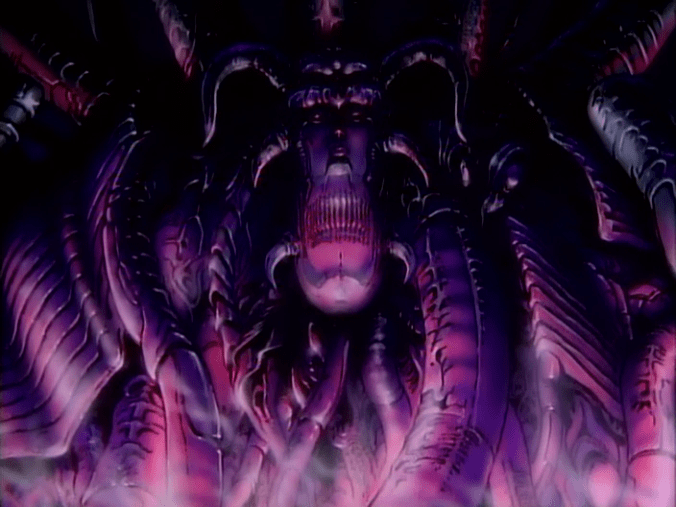
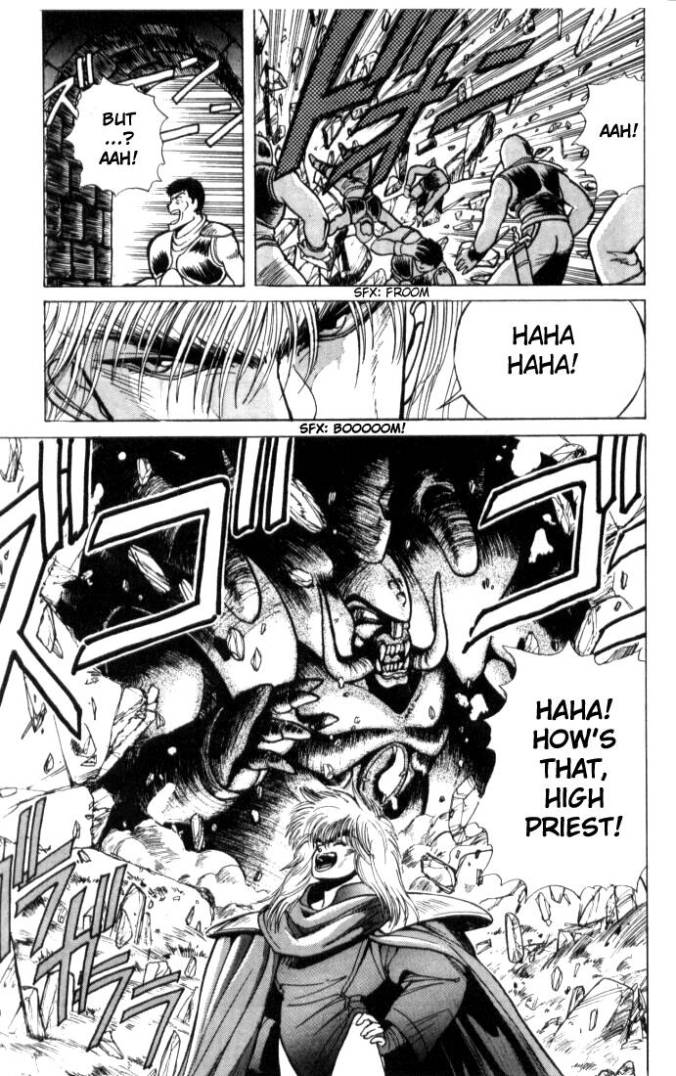
In addition, some heavy metal influenced designs will be found in this fantasy, for example the evil deity Anthrasax, which looks straight out of H.R. Giger’s mind (who had made NSFW album covers for Danzig, Tryptikon and Celtic Frost), or the (sadly manga-only) “Golem” that Dark Schneider summons, which strongly resembles Snaggletooth, the mascot of the band Motörhead.
vlcsnap-2018-08-08-22h47m44s083.png

vlcsnap-2018-08-12-16h42m23s824.png

The Giger God Anthrasax. (I personally suspect a mix of Anthrax and Saxon)
snag

Dark Schneider’s Golem…

snagmoto.jpg

…and Motörhead’s Snaggletooth.

III. It’s 80’s as heck

Bastard fits in with other 80s Shonen anime franchises, in all good and bad ways.

The protagonist is strong and powerful, and in addition, is someone who has a teenage boy as a host – but with no drawbacks. Even if Ruche can’t remember what Dark Schneider does when he takes over his body, it is never portrayed as something bothersome or negative: The contrasting example would be Naruto, who suffers under the demon sealed inside of him. And, of course, a kiss is the trigger to swap them both around, so romantic tension is always automatically given. The comedic banter between Tia and Ruche/Dark Schneider is also a highlight that is accentuated in goofy expressions and fast timed physical comedy.

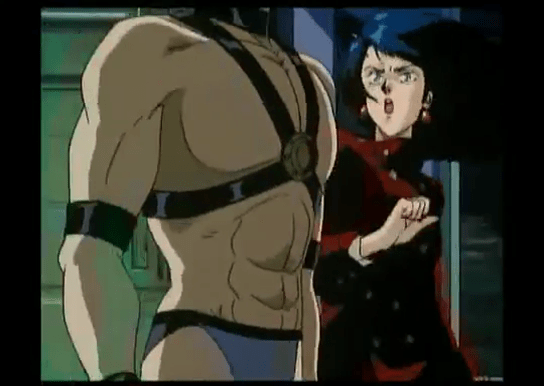
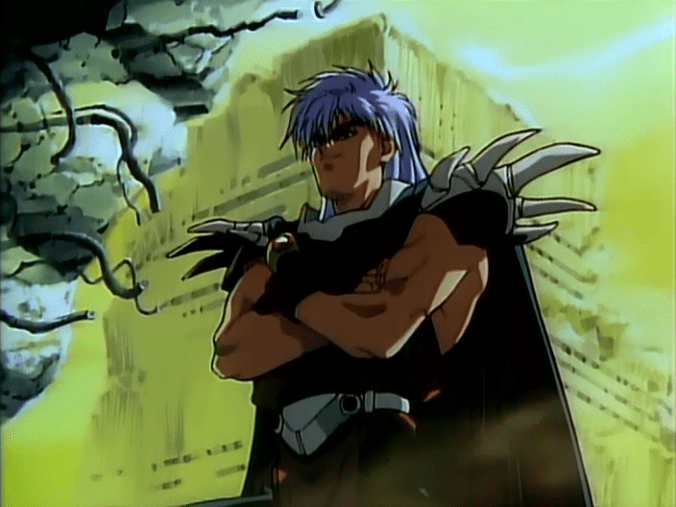
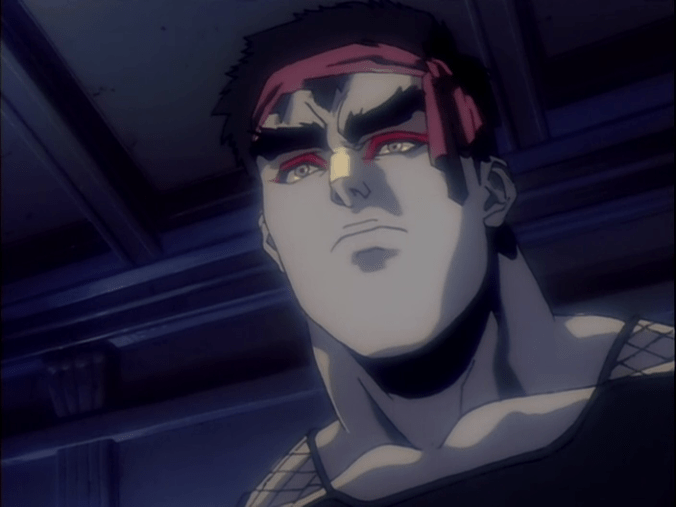
The other “good” way would be the OVA format: This anime did not run on TV, it was made for home release, and hence, it can go all out on violence and nudity. The additional short length makes for a condensed and straight-to-the-point experience without filler or downtime. Together with the late-80’s-early-90’s anime aesthetic, it is a marvel to watch, a true time capsule of this period. Big poofy hair, ladies in leotards, muscular protagonists, very ugly and very evil demons, metrosexual heroes – shoutout to my personal favourite character in this whole OVA, the Ninja Gara, who wears a black fishnet t-shirt and absolutely stunning red eye shade.
vlcsnap-2018-08-09-13h38m09s764vlcsnap-2018-08-10-14h25m11s181

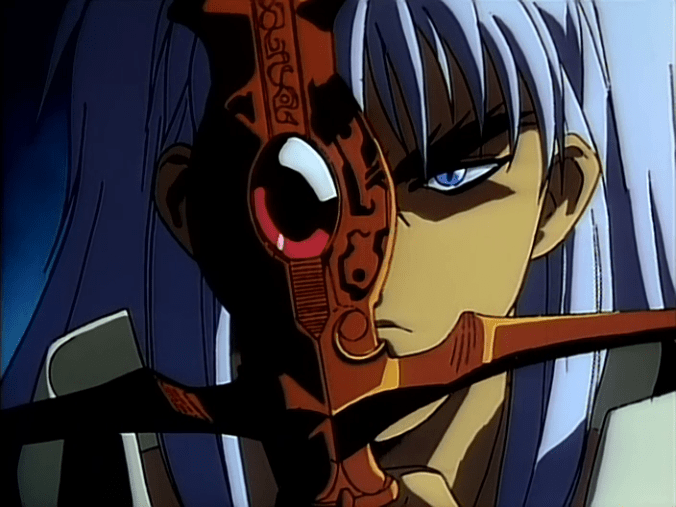
The “bad” ways, so to speak, are the problems that can come with very early Shonen OVA adaptations: They are incomplete. Bastard is only 6 episodes long, but it seemingly adapts smaller arcs here and there, with only loose connection. One episode, a new hero will join the protagonists at the end of the episode, only to be completely missing in the next one. In addition – and here I found only minimal sources – it seems like 8 episodes were planned, and the last two were scrapped. One source suggests that this was because on of the “creators” (not specified) was arrested during production. But even with its open end, the OVA makes for a fun snack-sized Shonen watch that really trims the fat on all sides and polishes what is there to full brightness.

Yet, I must also point out some decisions in the story that would most likely not fly nowadays, most notably some character’s parental figures. Tia’s father is not the most supportive, the King and his high priestess daughter are equally rough, but the relationship between Dark Schneider and his adopted child Ashes Ney is the crowning debatable jewel in this 80’s treasure – which is never questioned and given quite some focus.

It will make for some uncomfortable moments, but as the layer of campy schlock is already so thick, it manages to lay low in the grand scheme of things. (Just listen to that wonderful ending theme!)
vlcsnap-2018-08-09-13h49m46s302

Conclusion

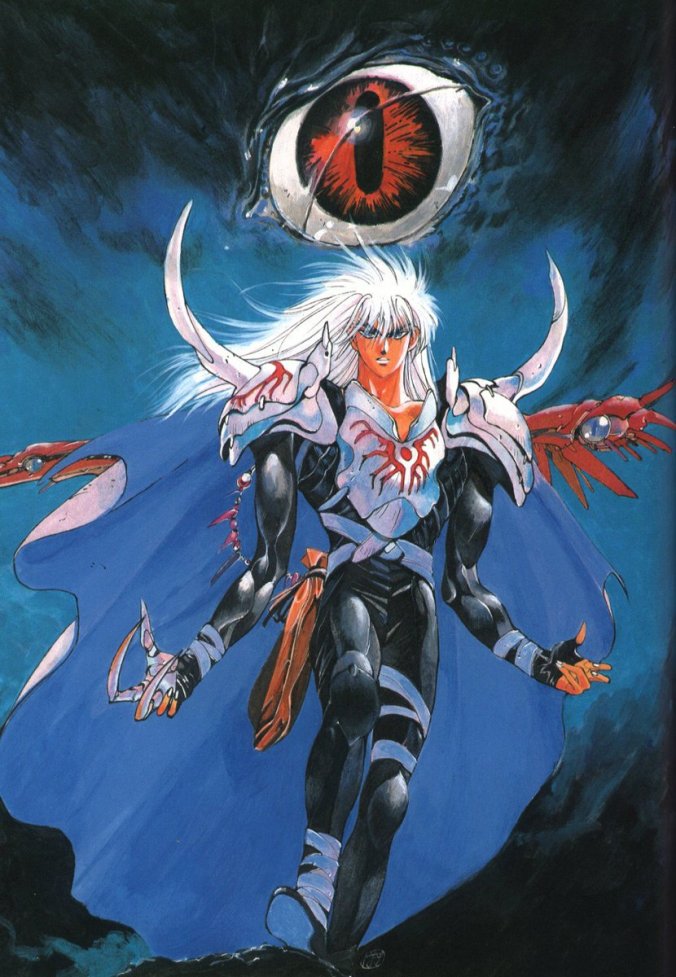
Bastard is truly “the 80’s condensed into 6 episodes of anime”, with all its up- and downsides. Not only makes it for a great throwback to another time in anime history, but also in Shonen Jump history, to see what was one of the big series back in the day. You can spot references and preferences in retrospect now that you are looking back from the future: The Jojo’s Bizarre Adventure-like way of naming characters, the evil antihero with his gory fighting style that is reminiscent of Devilman, or the Dragon Ball Z style wizard fights of flying around and flinging energy blasts.

Although Bastard is still around, it is far away from the reach it once had, and has changed its aesthetics and focus radically, being more ecchi-focused than aiming for the grand high fantasy stories of rivaling countries, all out war, and armies of good and evil.

If you like this time period in anime history, I highly recommend checking it out, purely for the stellar art and animation, and then for the wonderful pulp story that has its own  rough charm. It watches very quickly, so enjoy a great time with this little overlooked gem!
DHCVWAtXsAETClz

The End.

Sources: Entries on “Bastard!!” on Wikipedia, ANN, and MAL.
MANLY MONDAY – Golgo 13 (TV): First Impressions of a Sniper’s Life

vlcsnap-2018-04-22-23h55m20s777

The Golgo 13 series has been one of the longest running manga series of all time, first published in 1968, and still being going on today without a break. Artist Takao Saito is still drawing the series, and even with his over 80 years of age, he is still keeping up the schedule and the series he had created.
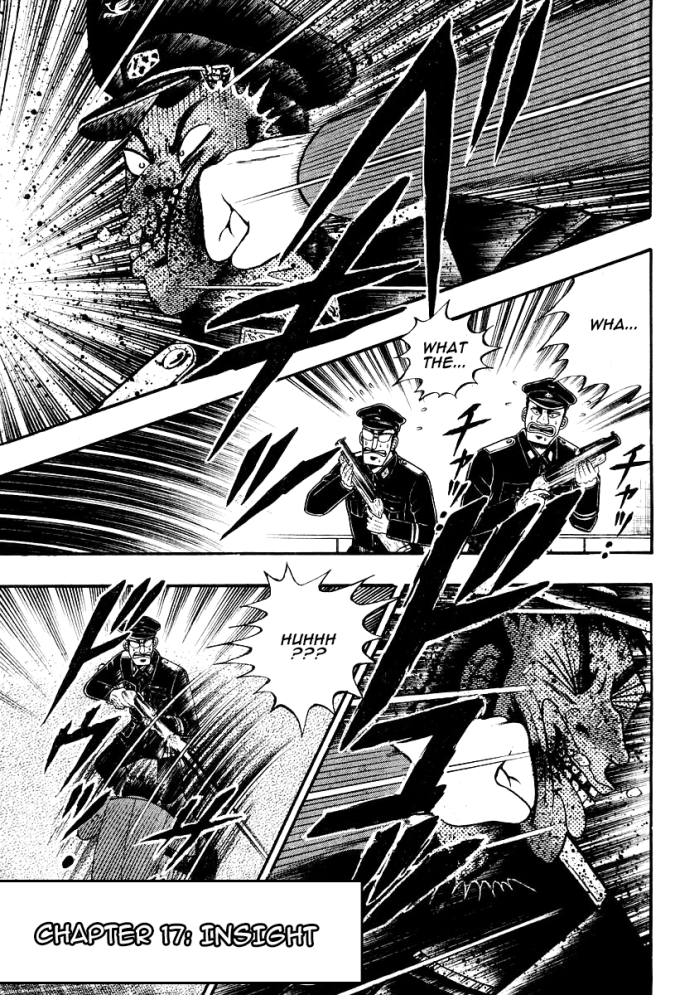
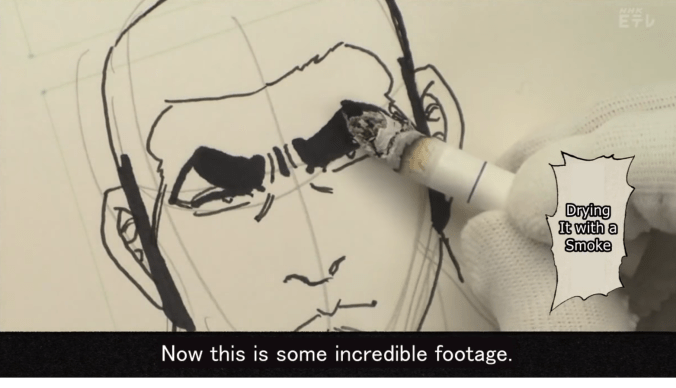
He has a fantastic drive and creative spirit, and if you wish to see how he does his work, I highly recommend the “Manben” documentary series, where his work process if recorded and commented by himself. For example, he uses his own cigarette to dry the white-out spaces on the page. To the question if he has burned the page before, he simply answers with “Yes, many times.”

manben2.png

A technique as rad as his own drawings. (Source)

And of course, his works have been adapted many times, into films and TV series of all sorts.

Golgo 13: The Professional (1983) by acclaimed and beloved director Osamu Dezaki is a fantastic way to enter the franchise, as it tells a self-contained hard-boiled story of a family drama that professional sniper “Golgo 13”, or Duke Togo as he calls himself, gets pulled into. This film is also widely known as the first anime to ever use CGI in its animation, and it truly is something to marvel at how far we have come. Seeing the 2D and 3D segments clash is simply astonishing, especially since Dezaki’s directional style is very aesthetic and precise in its framing, which is then broken with a free camera moving low poly helicopter scene. I recommend this film to anyone who enjoys a good adult crime or spy thriller, and to fans of the medium for Dezaki’s superb style, action and framing.

While the film is fondly remembered and often discussed, there is another adaptation that I wish to talk about. The 2008 TV series, simply named Golgo 13.

This series spans 50 episodes in total, I have now seen 8 episodes and want to give you my first impressions.

vlcsnap-2018-04-23-00h22m29s104.png

Duke Togo is a professional sniper, the best in the trade. He works under the codename “Golgo 13” and practically no information is given about him: we don’t know his age, his nationality, his background or anything else. All we have is a stone-faced hitman with no internal monologue – we cannot see inside his head, neither the narrator, nor the viewer.

Togo’s days seem to follow the same structure every time. He is called by a client, he is told his mission, he starts preparing, he shoots said target, and then disappears as silently as he arrived. He gets a job, then he gets the job done. As simple as that.

While this may sound monotonous on paper, it’s the execution and variation that makes this series.

Maybe Duke will be caught halfway through the episode, and the rest is just him trying to escape the police’s grasp with mindgames. Or maybe, his client falls in love with him, so he needs to deal with this inconvenience. Or maybe, Duke is supposed to interrupt a weapon’s deal from happening.

vlcsnap-2018-07-19-20h32m10s645.png

Duke Togo. The man, the mystery, the person with the single most permanent scowl.

Essentially, Golgo 13 excels in the creativity of its cases and how these are framed. As a sniper, the main goal is not to kill some, it is to shoot somebody or something. And these can range from killing a corrupt politican, to killing a yakuza boss, but also towards shooting a violin string.

A violin master is humiliated during an important concert when one of his strings snaps. As this string is vital for the performance, he cannot play anymore and is booed off-stage. When he hears that one of his most hated rival musicians is supposed to replace him, he wants to humiliate him just the way the audience did back then: Duke is supposed to shoot the fourth string of his violin during a concert. With everyone watching. Without the musician noticing that this was sabotage. And the whole episode is dedicated to this music feud and Duke figuring out on how to do such an impossible job – planning, observing, gathering tools and then executing this complicated plan.

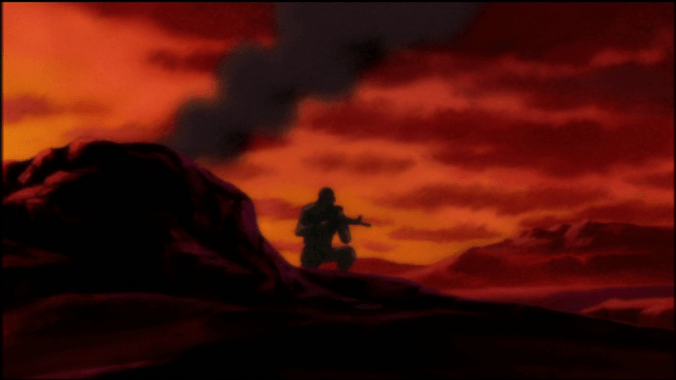
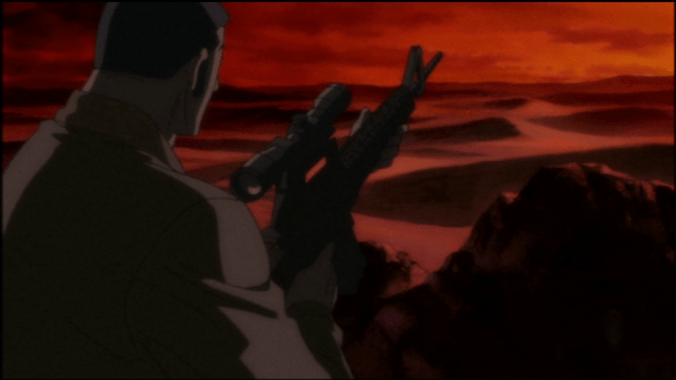
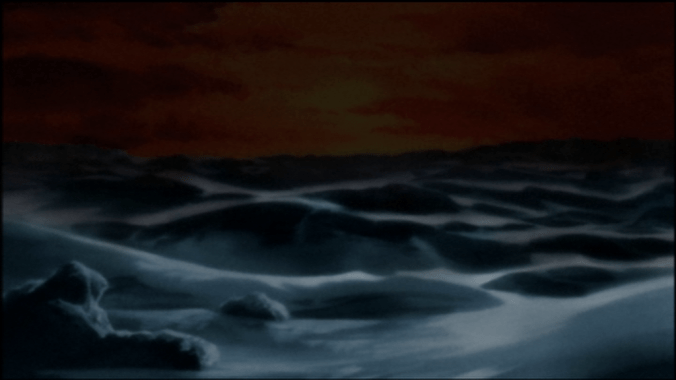
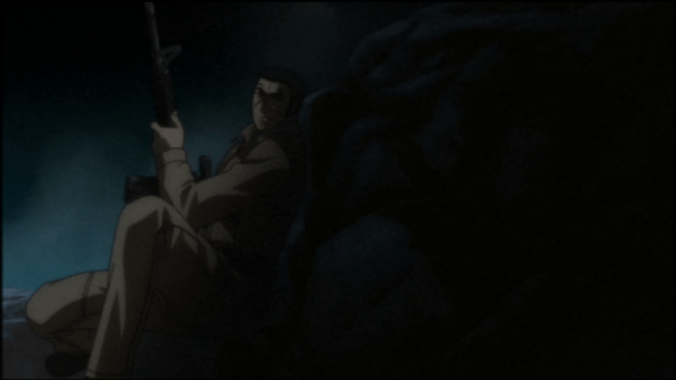
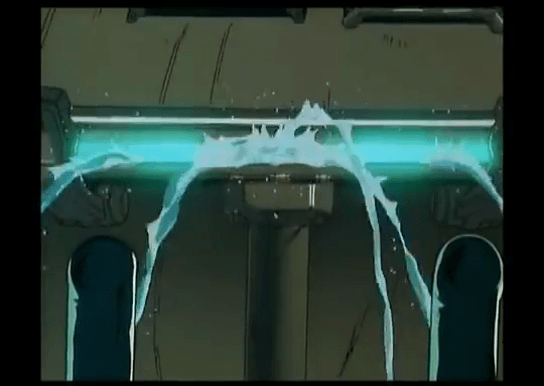
In another episode, Duke must fight again two ultra-modern military snipers in a desert, which slowly unfolds in a delicate and deadly game of hiding and seeking in the sand. And as these episodes tend to be quite slow and careful in its depiction of a sniper’s work, the surroundings can shine with their beautiful designs and atmosphere.

vlcsnap-2018-04-24-00h01m06s610 - Kopie

vlcsnap-2018-04-24-00h01m26s016

vlcsnap-2018-04-24-00h01m36s654

vlcsnap-2018-04-24-00h05m53s009

vlcsnap-2018-04-24-00h06m50s529

vlcsnap-2018-04-24-00h07m38s027

vlcsnap-2018-04-24-00h07m39s703

vlcsnap-2018-04-24-00h09m31s510

vlcsnap-2018-04-24-00h10m10s023

vlcsnap-2018-04-24-00h11m05s077

The battle goes far into the night, and the colour work is fantastic.

For a sniper, the surroundings are essential to their work, making a shot possible or impossible, so it is extraordinary to see how much care the Golgo 13 TV series puts into those. They may not be of the highest quality or most elaborate architecture, but the backgrounds and setting make everything grounded and easy to grasp.

But a world is nothing without the characters it inhabits. And here, Golgo 13 has great fun in its episodic structure, always building a little microcosm of relationships and people to visit. And this is where Duke Togo shines.

Looking at this unit of a man, one might think that he is an emotionless killer machine who just does his job and nothing else. Here is where this initial impression is wrong: By pairing him with different foes and friends to play off of, his deadpan attitude and seemingly emotionless face achieves either strong respect or a blissful comedic status.

Especially in one episode where Duke gets caught after an assassination by an equally bearish police commissioner, who is dead-set on arresting Duke. The whole argument and trying to unmask him as the true culprit feels similar to a bonkers court case, where evidence and testimonies are thrown against each other in rapid fashion.

vlcsnap-2018-07-19-22h15m41s135

You!

vlcsnap-2018-07-19-22h12m55s814

Duke Togo’s unmoving face truly is the best.

And so, this stone face becomes one of the greatest assets of the series, be it as a comedic reaction, an expression of repressed melancholy, or maybe even something more enigmatic when Duke gets entangled in romantic or life-threatening situations. And if you see his face move, be it just a twitch of the eyebrow or a silent drip of sweat running down his temples, you know that the situation is drastic.

Those rare moments really make for a nice treat, and so, Golgo 13 delivers its emotional core just a bit differently – but to great effect.

Conclusion

Of course, giving a final rating to a 50-episode show after only 8 episodes is nonsensical. However, the direction it has taken looks absolutely entertaining, and reading from other reviews, the series is not dropping its episodic structure. And so, we will get 50 little adventures in the life of Duke Togo, the sniper called “Golgo 13”.

If one looks at the staff list, we find 20 different episode directors, and maybe this is also why everything feels so fresh every time: Many different creators telling stories about the same man, all from different angles and perspectives.

Will he win every time? Sure he will, he is Duke Togo – one of the best marksmen in the world. He has done this job for over 50 real-life years now. Many stories, many cases, many clients – and yet, he continues with that unwavering face of his.

And this is what made this show a very comfy watch for me, something lovely to put on in the evening to relax. The slow preparing and planning of his jobs, the certainty that all will go well, but mixed with that light suspense of not know exactly “how”. The creativity and the wonderful execution make this simple concept shine, and I can’t wait to continue watching this series. Will it be funny, will it be dramatic? Who will he fight against, the FBI, the yakuza, or just a private person? We can only find out by taking more short but serene glimpses into the life of a Duke Togo, the sniper called “Golgo 13”.

The End.

Sources: Manben Episode “Takao Saito”, Wikipedia, AnimeNewsNetwork & MyAnimeList “Golgo 13 (TV)”

All images are taken from my French release DVD.

MANLY MONDAY – Lupin III Part IV “The Italian Adventure” TV Series – (Review and Episode Recommendations)

lupins 2015.jpg

In one of my latest Manly Mondays, I talked about the Lupin III films by director Takeshi Koike, and how the hardboiled tone really fits the series.

As already mentioned in that article, the beauty of the now 50 year old “Lupin The Third” franchise is that it comes in many shapes, zeitgeists and forms: long running TV series, big cinema releases or short-running experimental shows.

Koike’s films in 2014 and 2017 were intended for a mature audience, given the depiction of violence and intensity of the themes it portrayed, and director Saya Yamamoto’s entry in 2012, A Woman Called Fujiko Mine, was equally adult – yet with a different focus as it explored sexuality and identity of the long-established characters.

However, Lupin III had always long-running TV series as a main focus, which were split into “Parts”. In addition, each of these Parts had a different suit jacket colour for protagonist Lupin to wear, so that it was immediately clear from the first glance which series you were watching: Part 1: Green Jacket (1971-1972), Part 2: Red Jacket (1977-1980), Part 3: Pink Jacket (1984-1985).

Each “jacket colour” is also unique in feel and tone, I highly recommend checking some episodes out to see what you might like the best. As these series are very often of episodic nature, you may pick and choose to your heart’s content.

And in 2015, a new TV series came around – Part 4: Blue Jacket (2015-2016).

Let’s take a look at this new series in retrospective, what did it do and what was added to the long-running legacy of the franchise?

lupin2.jpg

A Love Letter to Italy

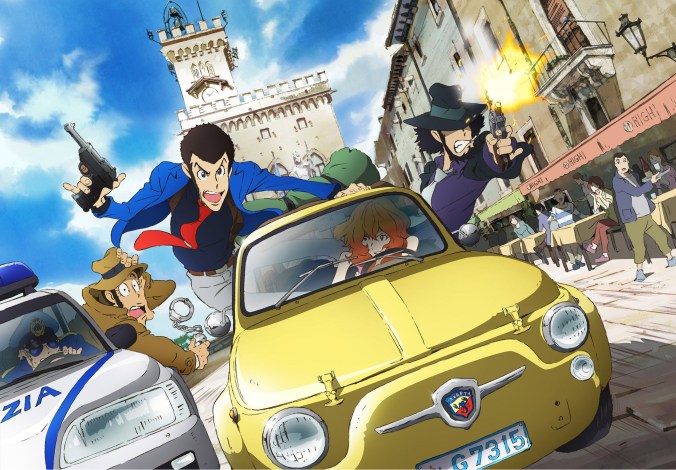
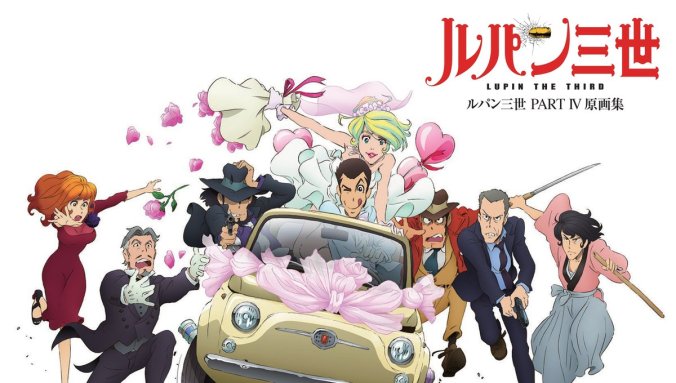
The story of Lupin III is very much grounded in the usual set-up: Lupin is a thief, roaming the lands with Jigen, his gun-slinging friend, in a tiny yellow Fiat 500, where they will be entangled in all sorts of adventures. On this journey, they will be supported by Goemon, a friendly yet stern samurai, and Fujiko Mine, a rival thief and love interest to Lupin. They are constantly chased by Inspector Zenigata from the ICPO, whose only goal in life it is to finally bring Lupin behind bars.

Lupin III Part 4 “L’avventura italiana” takes place, as the title says, in Italy, which makes for a gorgeous setting. The Mediterranean feeling with the sunny, bright lighting is always is a beautiful sight, and as the team has to flee and chase very often, we see a lot of Italy – the countryside, the beaches, the castles, and old inner cities.

city

goe castle

Dgzvjv-WkAEjVqs

Dg75pVHXkAAhD__.jpg

Apart from the usual sights and landmarks, the care that went into the details is astounding: euros are used throughout as currency, license plates are in the European style, and even newspapers, signs and police cars are in Italian, really selling the setting as a graspable place to be. In addition, Part 4 aired in Italy before it did in Japan, which is unusual, but fitting for this series, as Lupin III enjoys its cult status in this country.

New Friends and Foes

88c52a5142354d12ba114dbf38ce9285.jpg

Part 4 brings some new additions to the usual cast, most notably Rebecca and Nix. It’s difficult to introduce new characters to a web of already established relationships, but this series manages it quite well.

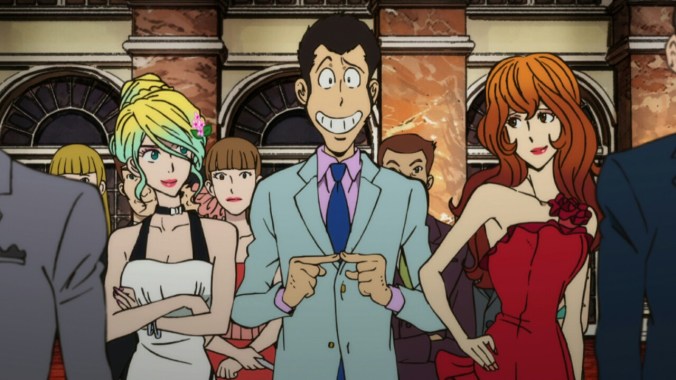
Rebecca Rossellini is a rich, spoiled, but quirky and fun girl with green-yellow hair, who has an acting career, a financial empire and good looks. Having lost her parents and now the sole heir of the conglomerate, she seeks thrills in her perfect life, things she cannot buy with money.

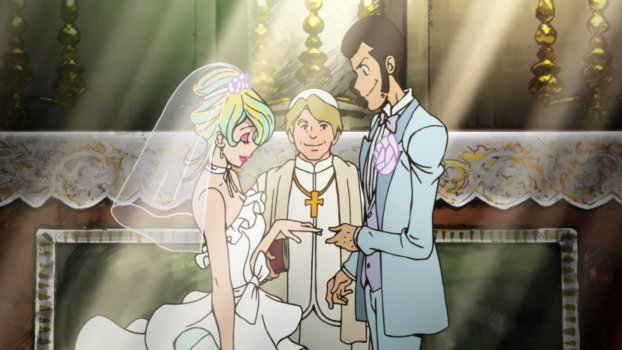
Lupin makes a marriage proposal to her, and surprisingly, she agrees – and after less than a month, they are standing in front of the altar. It turns out, of course, that this was all an elaborate plot by Lupin to steal a certain treasure, however, all the paperwork for the marriage already went through: Rebecca has become Ms. Lupin. What should have been a short scam turns out to be more complicated, and Lupin is officially married now – it will be one of his main goals over the course of the series to get Rebecca to sign the divorce papers.

But this creates an interesting love triangle with Fujiko Mine, as well as a thematic clash of femininity: Rebecca, the fun, young and quirky girl on one side, and Fujiko, the classy, mature and experienced woman on the other side. And while they are not explicitly fighting over Lupin, the banter, conflicts and hijinks that ensue are quite fun, even from Jigen and Goemon’s side who both cannot believe that Lupin is a “husband” now.

lupin3adultswim.jpg

Time to decide, Lupin!

Rebecca makes for a fun rival/romantic interest, but she is not universally present in every episode, nor does she have major influence on the complicated main story.

For me, it was the other new character that I was very fond of:

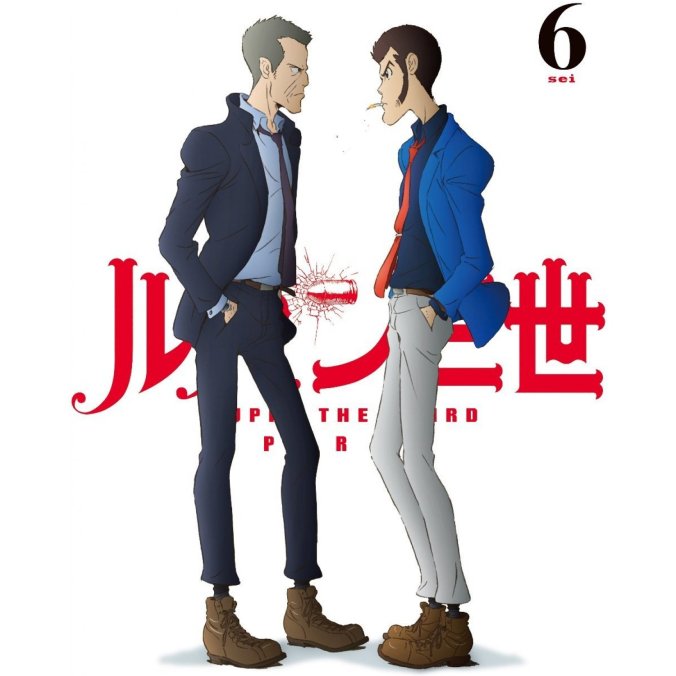
Nix, a British MI6 agent. He strictly follows his orders and thus has a few run-ins with Lupin’s crew, eiter because he actively has to fight them, or because their paths randomly cross.

nix.jpg

Agent Nix. (“Nix” being colloquial German for “Nothing”, not sure if intended.)

His design was a standout for me: the short slightly military-tinged haircut, the stern look, the wrinkles that give his face age and character, and especially the pointy ears (which serve not only an aesthetic purpose!)

While Nix seems like an uptight and efficient spy who doesn’t do anything besides following orders to 100%, more and more details about him will be revealed over the course of the series, and in the end, I was immensely happy to have him in this series.

As it turns out, Nix has problems to keep his emotions under control, and is often in danger of “snapping”, which might be hazardous for everyone involved. When his missions carry out well, he stays calm, but if he fails or a loved one is in danger, hell breaks loose. Nix is not only a spy, he is also a family man, with three cute daughters and a strong wife, so may God have mercy on your soul if you ever intend on hurting his family.

Nix carries emotional weight in his job and in his private life, and his role of being a responsible father clashes with his dangerous profession. He is a well-round character with a slightly tragic side too, but his likability and his switching between “deadpan serious” and “full on burning rage” serves for impressive, as well as funny moments within the story.

lupin-iii-part-iv-vol-6-468053.2.jpg

Nix, a great rival for Lupin.

As Nix is an important character with a lot of action segments and character acting, he gets some amazing animation cuts in Part 4, for example this cut by Shinya Ohira, where he fights a rebel spy. The unusual artstyle break and the pencil shading outlines give Nix’ actions visual power and strength.

Story and Standout Episodes

The story of Lupin III Part 4 is not the tightest, as not all episodes are here to drive the main plot forward. It is episodic, with an “Adventure of the Week” format, where you can enjoy every episode on its own, and occasionally be reminded of the big scheme in the background. The story goes off the rails somewhat to longer it goes, with some pretty incredible story twists and introductions, but it is all in good fun, as the strong cast can hold any outlandish plot together. The season finale might not have the biggest impact, but a nice ending overall.

However, there are some episodes that are able to absolutely stand on their own. If you want to get a taste, or if you simply want to visit the highlights this series has to offer, here is a small selection from my personal experience:

Themarriageoflupiniii_1

Episode 1: Lupin’s Wedding

“Rating”: Give it a Try!

Obvious choice to take the season opener, but this episode is a great character piece, with Lupin’s and Rebecca’s wedding and the controversy it causes with Fujiko, Jigen and Goemon. In addition, the animation is top-notch and delievers movie-quality action scenes to establish Rebecca’s character. A fun intro to the series!

img_30_m.jpg

Episode 3, 7 and 19: 0.2% Chance of SurvivalThe Zapping Operation and Dragons Sleep Soundly

“Rating”: Give it a Try!

Three episodes for Agent Nix, one being his introduction to his character and his skillset, being on par with Lupin and Jigen, and the other episode to show his family side and the caring father that he is. The third episode however takes a very dark spin on the spy business, with harsh violence and great danger to the protagonists. It makes for a strong tonal break that is worth checking out, if you are interested. (Keep in mind though that his episodes are more intertwined with the main plot and are not “pure” standalones!)

img_3344.jpg

Episode 13: The End of Lupin III

“Rating”: MUST WATCH

The mid-season finale and the episode that deeply touched me emotionally. In a surprising twist of events, Zenigata catches Lupin. Now that he has achieved his life goal, he gets a new goal: Keep Lupin behind bars. By removing the rest of the cast and only leaving Lupin and Zenigata in a 1-on-1 theatre piece in prison and total isolation, it goes far into the relationship of the two rivals.

I was highly impressed by this episode, and I would recommend it blindly to absolutely anyone.

DgDxdt0XcAAVp7n

Episode 16: Lupin’s Day Off

“Rating”: MUST WATCH

A simple premise: Lupin, Jigen and Goemon have a day off, so they book a table at a fancy sushi restaurant. They have to arrive at 6 PM, and it is only a short drive through the countryside to get there.

This episode is slice of life beauty with perfect comedic delivery, and how much a simple idea can escalate into madness. This one had me in stitches, from the fast action to the quick jokes. A jolly good time of an episode.

1516610431894.jpg

Episode 20: To Hear You Sing Again

“Rating”: Highly Recommended

A melancholic episode that I don’t want to spoil too much of. It is the story of an old Italian diva and her husband, and how long such a love can last through all the ages, through the good and the bad. A touching story that may move you to tears.

1646249_English_KeyArt-OfficialVideoImage_88e80ffd-4ba2-e711-8175-020165574d09

Episode 26: Nonstop Rendezvous

“Rating”: ABSOLUTE MUST WATCH

This second special Bluray episode, sometimes called “Episode 26”, serves as a prequel to all of Part 4 and is an all out action romp with everything you could wish for: Fun character interaction, high-speed chase scenes, action shenanigans and full on physical comedy of the first degree. It reminds me of other amazing car chases I have only seen in films so far, and it will have you thoroughly entertained! The last few minutes may be a bit slow, as it only serves as a lead-up to Episode 1, but everything before that is pure fun and the essence of Lupin III comedy action.

Conclusion

Lupin III Part 4 was a good time, and especially cosy to watch over a long time, basically like it aired, one episode per week and going faster if you feel like it. Not all episodes are stellar, some are outright bland, such as Episode 15 where Lupin infiltrates a high school to simply fight against bumbling teachers, but overall, I had a splendid time with a few amazing highlights.

If you want to get into the Lupin III franchise, I would maybe recommend other films instead, (The Castle of Cagliostro, The Fuma Conspiracy or Jigen’s Gravestone) as you may already need a bit of a grasp on who all these characters are, before you see them interact with newer ones. I’m still happy about the introduction of Nix, I hope that he may return for the next currently airing Part 5 in 2018.

The Italian adventure makes for a comfortable series to watch as a mood piece, to just see the cast hang out and enjoy themselves, with some great action sprinkled in here and there. It’s not the best of the franchise, but a very solid entry that you can check out if you want to – and if not, you can enjoy the standalone episodes I recommended to you as short film snacks.

Overall, I’m happy that I watched it, and I look forward to more adventures of the wonderful Lupin III cast.

end.png

The End.

Sources: Wikipedia “Lupin III”, MyAnimeList “Lupin III Part 4”

MANLY MONDAY – “Buraiden Gai”: The Unique Shonen Outlaw

wwwww

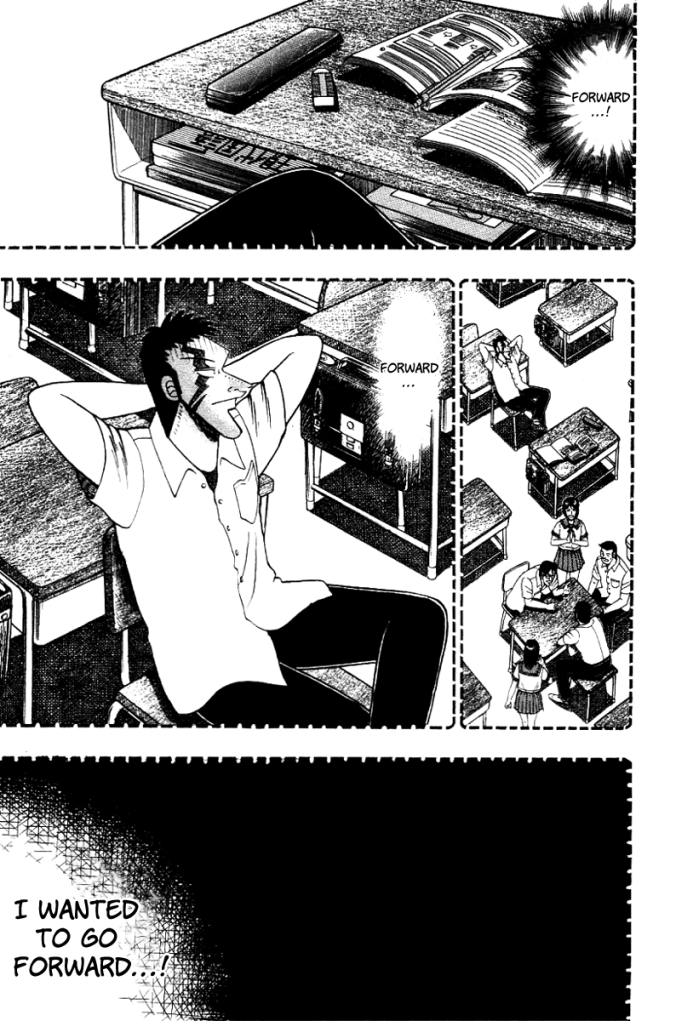
It is a good time for Nobuyuki Fukumoto’s works. Gin to Kin and Akagi both have successful TV dramas, the Kaiji manga has started a new arc, Zero is getting a steampunk TV adaptation, and the highly anticipated Tonegawa anime is on the horizon, with a release scheduled for July 2018.

In this big “Fukumotoverse” with its prequels, sequels and spinoffs, lies one smaller work that is on its own. No continuation, no adaptation, there it stands, alone and completed – fitting for its own story, themes and characters.

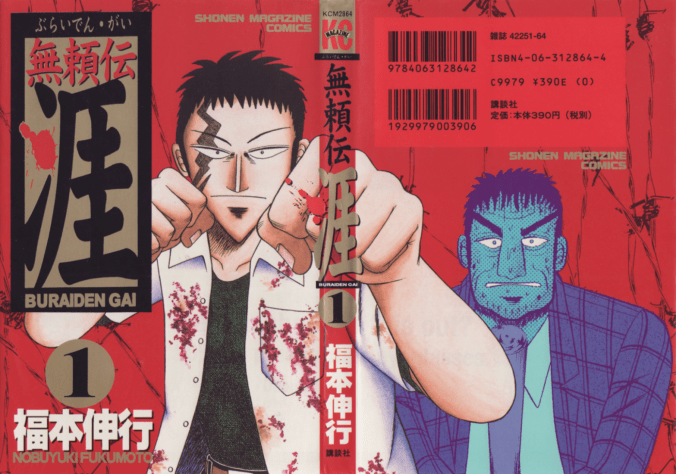
This is the manga Buraiden Gai, or “Legend of Outlaw Gai”. This manga was published from 2000 – 2001 in the Weekly Shonen Magazine, (not related to JUMP) which has more popular and successful series in the past and present than you might think: Devilman, Ashita no Joe, Hajime no Ippo, GTO, and recently, Koe no Katachi, Fairy Tail and AKB49.

In Buraiden Gai, the eponymous Gai, a young 13 year old schoolchild, is running. Running away from the police.

x14

And so, he is cornered in a dead end street.

The city is in chaos, the media is all over the place and the police is unable to cope with all this confusion. Why is everybody on their feet trying to catch this young boy?

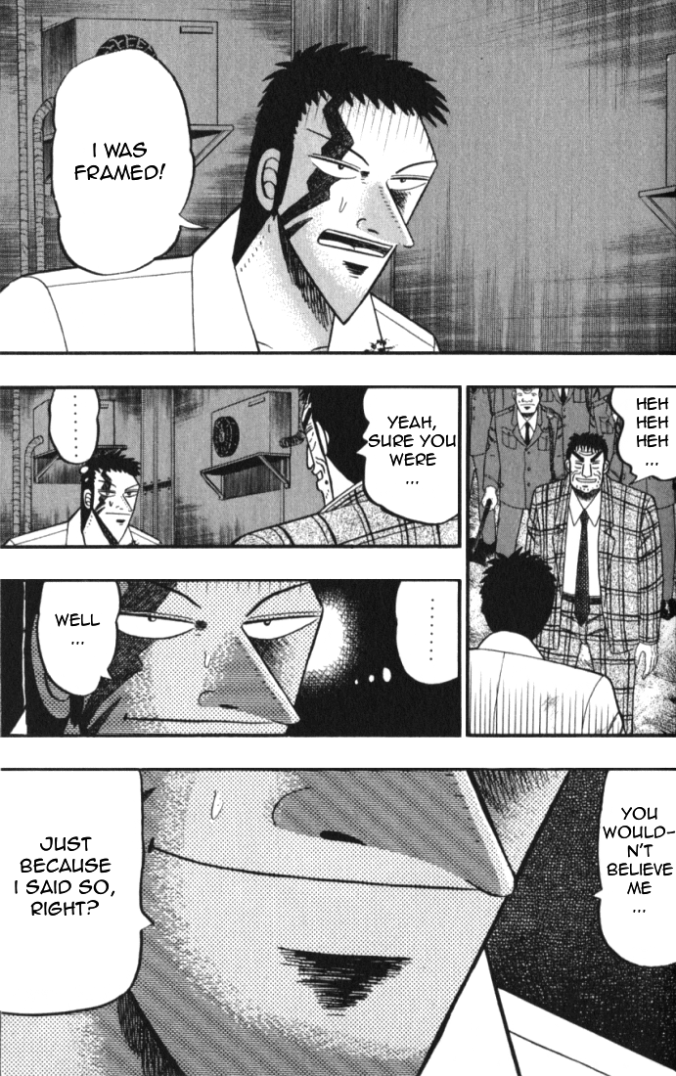
As it turns out, he murdered an older man. Not any man, however, but the patriarch of a big and influential yakuza clan. As Gai faces the overwhelming police force with nothing but his bare fists, he proclaims: “I was framed!”

x28

Of course, no one believes Gai.

The evidence points absolutely against Gai: his fingerprints are on the murder weapon, on the body, at the site and his escape from the crime scene is recorded on a security tape, directly after the point of murder.

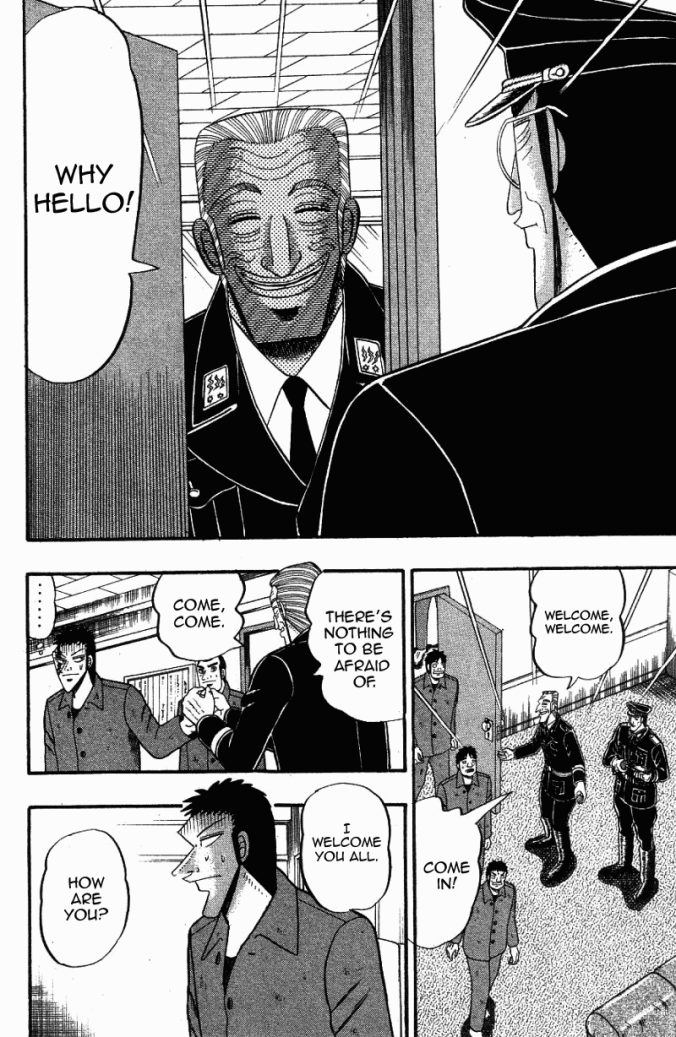
After a long verbal battle and a short physical one with the police inspector, which Gai surprisingly wins despite his age and size, he is arrested. Too young to go to prison, he will be sent to a youth rehabilitation facility before his trial. However, as he arrives, he finds out that this is not better than prison, in fact, it’s worse.

x8 (2)

Something is fishy. Especially the visual historical weight of those uniform designs, if you look at them more closely.

This is more than prison, this an institution of cruelty with one goal only: turning young people into honourable and upright citizens, with any means necessary. It immediately becomes clear to Gai: He has to get out of here, but more importantly, he has to prove his innocence. The police officer believes him, however, there is no proof that the evidence is forged.

And so, the adventure of Outlaw Gai begins: Regain your freedom, fight for justice, crash the abusive system of the adults. “Prison Break Plot” meets “Philosophy Hour”.

Inherently, this sounds like a very Shonen plot, but the seriousness and intensity of Fukumoto’s Seinen spirit shines through, which I will not spoil here. The way the young prisoners are treated is very violent and shocking, and the themes he addresses are important to anyone, not just teenagers who are the target group of this manga. And it is definitely not for the faint of heart. There will be violence and questionable “education” methods, ranging from physical discomfort to psychological terror.

We see several themes in this manga: What is “freedom”? What is “strength”? What does it mean to “grow up”?

x5 (4).png

School settings are rare for Fukumoto, and thus very welcome.

Gai is a great protagonist for this story: young, with a clear, straight outlook on life, and he does what he thinks is right. He receives a proper backstory as well, which fleshes out his character even more – a rare thing for Fukumoto, who normally does not give big flashbacks to his protagonists, as they are characterised by their actions in the present, such as Kaiji, Akagi or Kurosawa. For Gai, it fits, as we see him in his middle school days, struggling with the decisions of life before he was thrown into the prison setting.

And much like Kurosawa, Gai uses predominantly his fists to solve problems. Fukumoto’s intense, visceral, sharp style lends itself perfectly to these violent outbursts that carry gravitas within the story.

x1 (3).png

Smash the system. Right in the face.

If there is one word I can use for Buraiden Gai, it’s “condensed”. With its 5 volumes and 38 chapters in total, it is one of the shortest series Fukumoto has ever done, some of his series have been going for over 20 years – and yet, it brushes and discusses a lot of topics, through flashbacks, monologues and dialogues, all neatly woven into the story, which is equally busy: a prison break and a yakuza crime story all rolled into one.

From my research, I could only find information that the series was cancelled by the Weekly Shonen magazine, and that Fukumoto was unhappy with the ending he had to re-write, but nothing very concrete or any reasoning behind the decision to scrap it. As it stands, I like the ending, but one can feel the change in direction in the story. After about 3/4 of the chapters, the focus shifts and the narration speed slows down for a few chapters, only to pick up again – most likely to steer into the direction of the new finale.

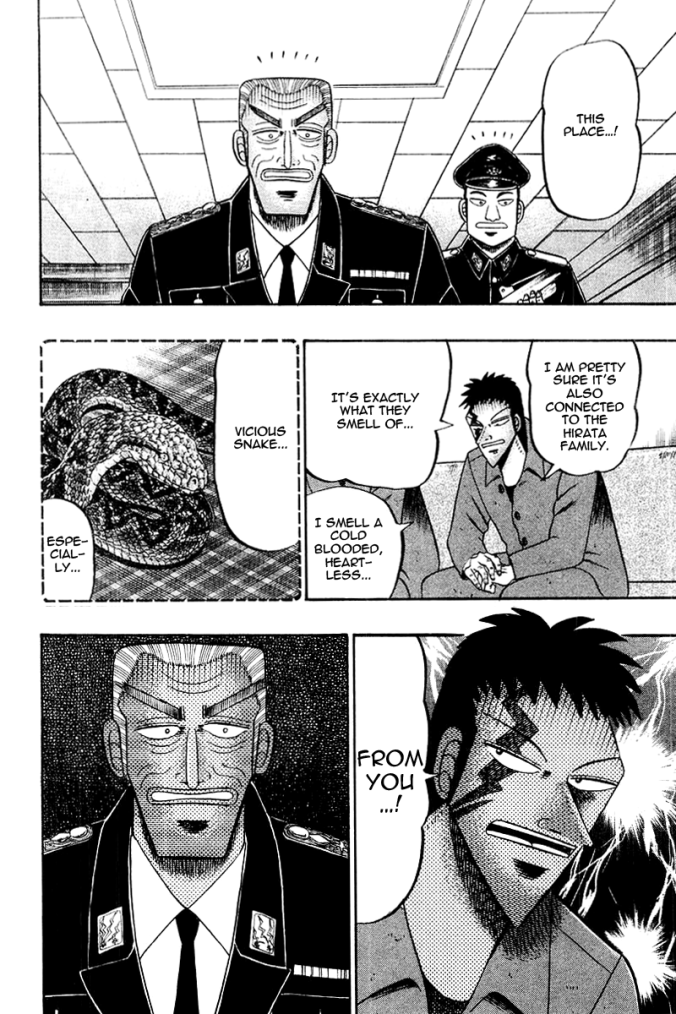
It is a bit sad that Buraiden Gai was not allowed not fully unfold itself, as the potential is there. A young hero with a no-nonsense direction but lacking life experience and maturity, against a smooth-talking villainous prison guard who thinks his own askew methods of education are right. In addition, the Hirata Clan, the powerful yakuza family, is maybe holding more threads than they seem.

x18 (2).png

Everything is connected. Is there a way out for Gai?

Even if the story is cut short, it still delivers the themes and questions it wants to. One can only wonder what it would have looked like if Fukumoto had the time to give it the vision he intended. Buraiden Gai could have been a big epic about the struggle of growing up and wishing for independence, as well as the conflict of generations. But as it stands, it is now a short, quick Shonen that delivers its punches and disappears again into the night, to leave you with its thoughts. Other Shonen might have pushed the boundary already what goes on in the genre, from Go Nagai’s Devilman to Hajime Isayama’s Attack on Titan, both violent and intense as well, but Buraiden Gai manages to even stand out among these. If a series can make me actively queasy with its ideas without being too graphic, then we got something unique here.

You can read all of Buraiden Gai in one or two days, maybe even in one sitting, and I highly recommend doing so. Not only for its intense story and philosophy, but also for Fukumoto’s artstyle. His longer stories rarely change settings, but Buraiden Gai displays a surprising amount of setting changes, brought to great effect in great spreads.

x5 (8).png

x14 (2).png

Some double-spreads are absolutely beautiful.

Buraiden Gai is the unique little Shonen outlaw in Fukumoto’s catalogue, without gambling themes or spinoffs, and I highly recommend reading it – for seeing what can be done in a Shonen Magazine, and for its philosophic content that it delivers with a sympathetic, strong and likeable protagonist.

The series had no time to show its true potential, but what it did was great, and it can nicely sit with all the other Fukumoto series in a big serious universe full of intense life stories. Will Gai break out of the youth detention prison? Will Gai defeat the yakuza? And will Gai find what he wants in life?

Give Gai a chance, he won’t take much out of your time, but I’m sure that he will stay with you for a longer while.

bura

The End.

PS: And once you’re done, check out this fantastic mock-up of an Anime OP, in the style of the Death Note OP2.

Sources: Wikipedia entry: “Nobuyuki Fukumoto”, MyAnimeList entry: “Weekly Shounen Magazine” and “Buraiden Gai”

MANLY MONDAY: “LifE”and “Confession”- Fukumoto Double Feature

Nobuyuki Fukumoto, or nicknamed “FKMT” for short, is most known for his unique, sharp expressive artstyle, and hard-boiled underworld stories, that cut to the core of human emotions.

Since the 90’s, he is a successful mangaka, with several long-running series, that are all beloved by critics and fans alike. But one of the downsides would be that therefore his work is not easily accessible. His manga are fantastic, but insanely long -“Kaiji” and “Akagi” have both been running for 20 years now, and other series have had spin-offs, parodies, prequels and sequels. The “Fukumotoverse” is immensely big and vast, yet so very lovely to get lost in. Intense long stories all around.

So, is there a way to get a glimpse of his work, for a newcomer for example? A “snack-sized” FKMT story?

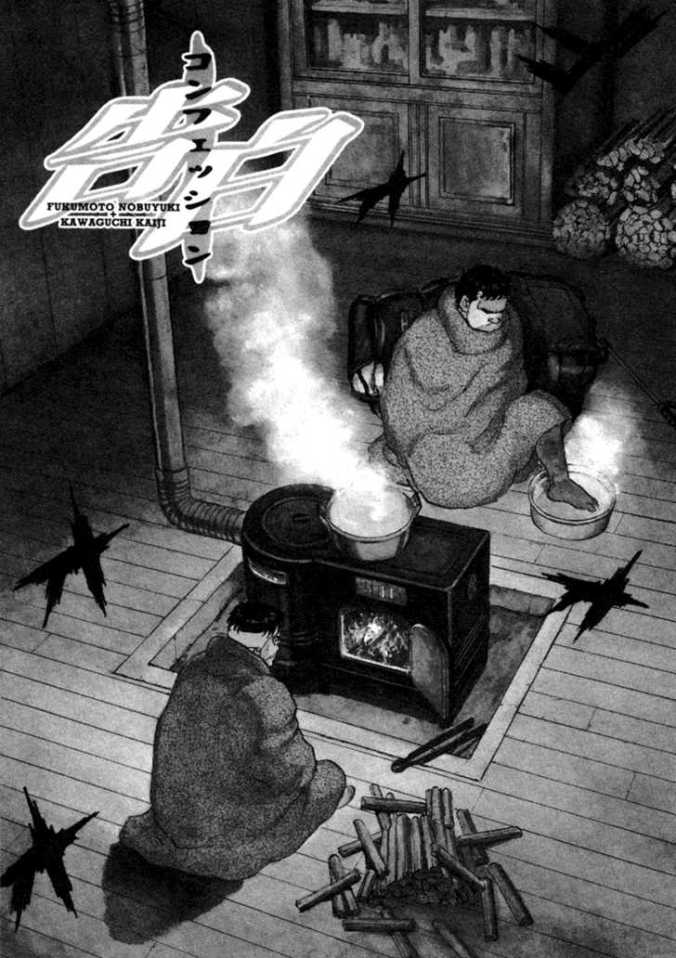
There are two short stories written by him, illustrated by Kaiji Kawaguchi (Ha! Kaiji!), that are short, intense and have all the traits of the author. These two manga are “LifE” and “Confession”.

LifE

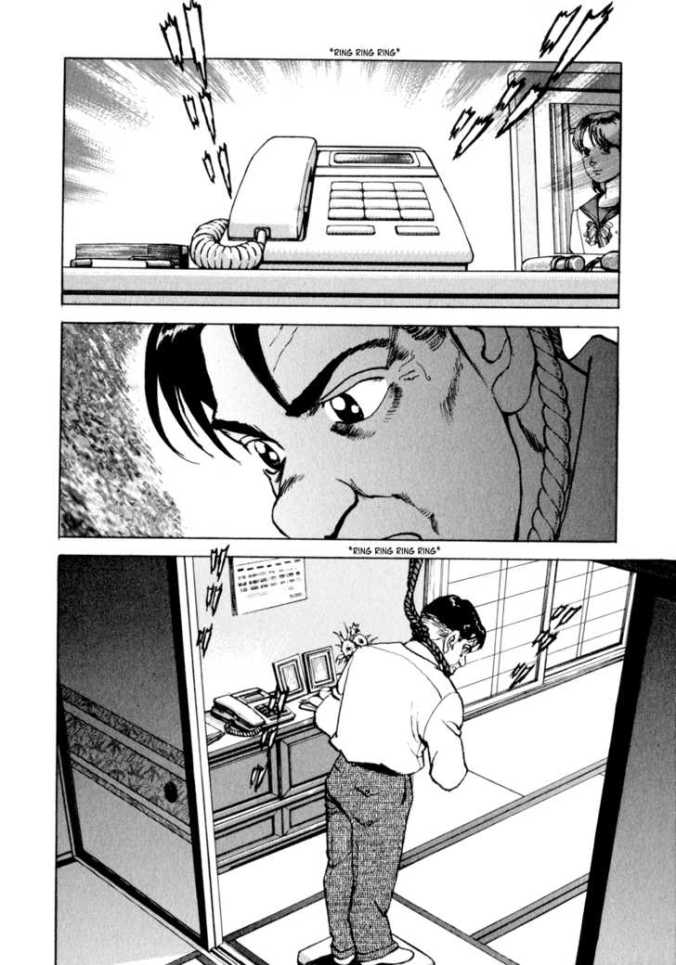
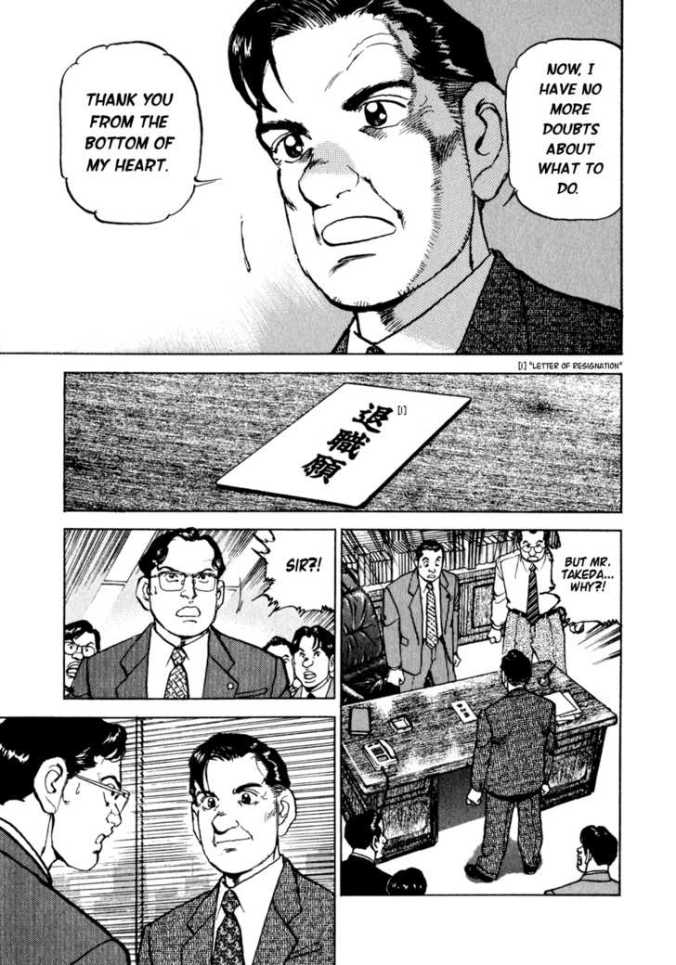
“LifE” or “Seizon Life” is the story of Masao Takeda. His wife died after a hard and long fight with cancer, and now, he has been diagnosed with the same cancer as well. Devastated and emotionally destroyed, he wants to take his own life.

But as he steps up to the noose to hang himself, his phone suddenly rings.

edc3852bbddba4e00c5b07e9ec84adb20ac74559e7af3b86bd7e3656369bc8121cb8d8403866c552b16846a90aeff2b6

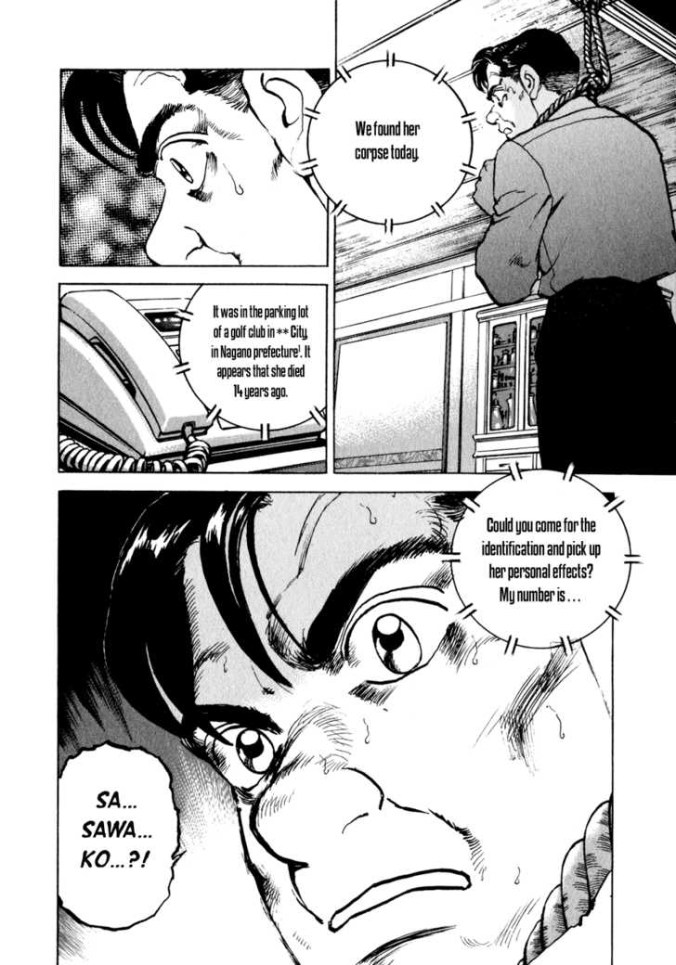
They found the corpse of his teenage daughter, Sawako, who went missing about 14 years ago. As he goes to the police station, and finally sees his daughter, he asks if the murderer can be found. He is informed of a crucial fact:

The “statute of limitations”. When 15 years pass, a case is dropped and closed, even when the true culprit has been found. Sawako has been found after 14 years and 6 months. In 6 months time, the killer will walk away unpunished.

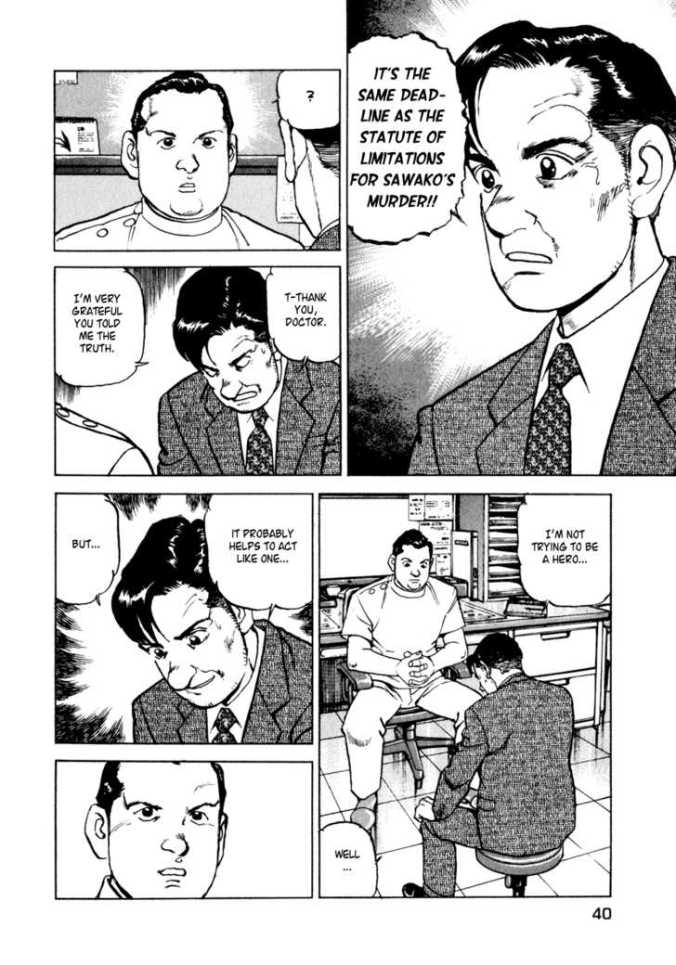
Takeda cannot accept this. He waited so long for the confirmation of his daughter’s death and the finding of her body to give her a proper burial. He wants to take action. He will find the killer. Come what may. Yet his doctor is not ok with this.

f17a7b4c41d57d671309870e1c66196e57644cda74f144a838ac1f41a25641706314630e914f5c38a5451e46ef699be0

He hands in his resignation and walks away.

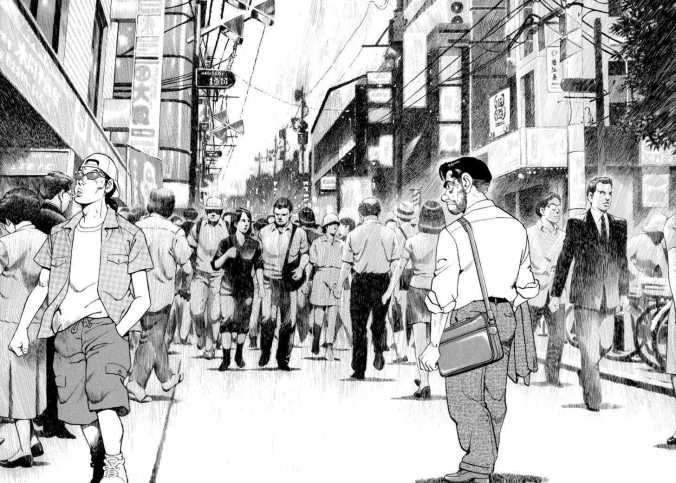
6 months until his death. 6 months until the murderer is free. This cannot be a coincidence, he thinks. And so, he goes on his very last mission: Find the killer of his daughter.

life-1

He is somewhere. Out there. A free man, unpunished.

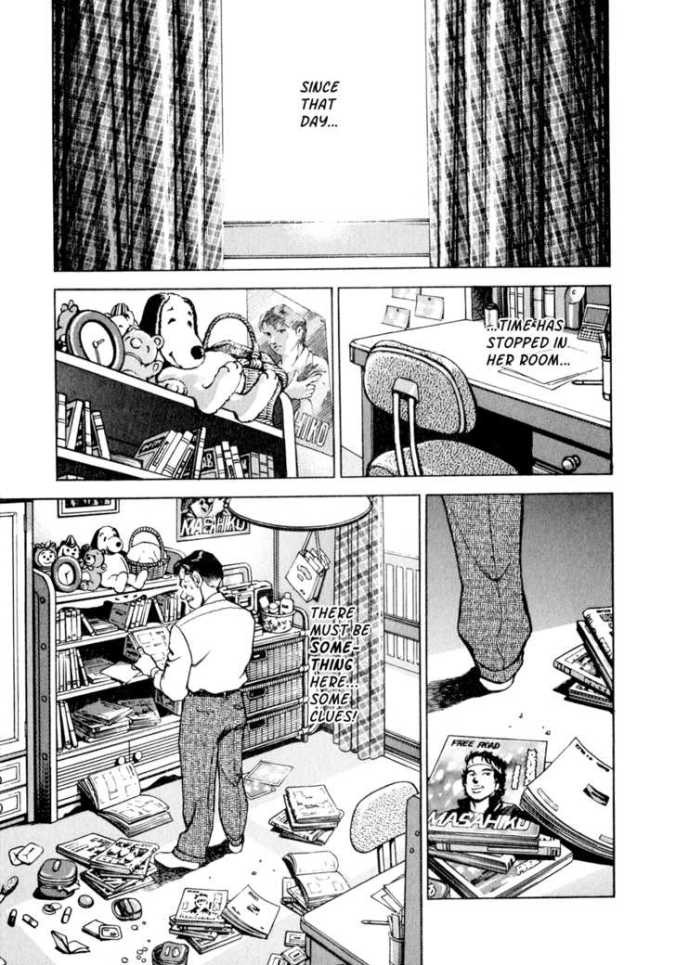
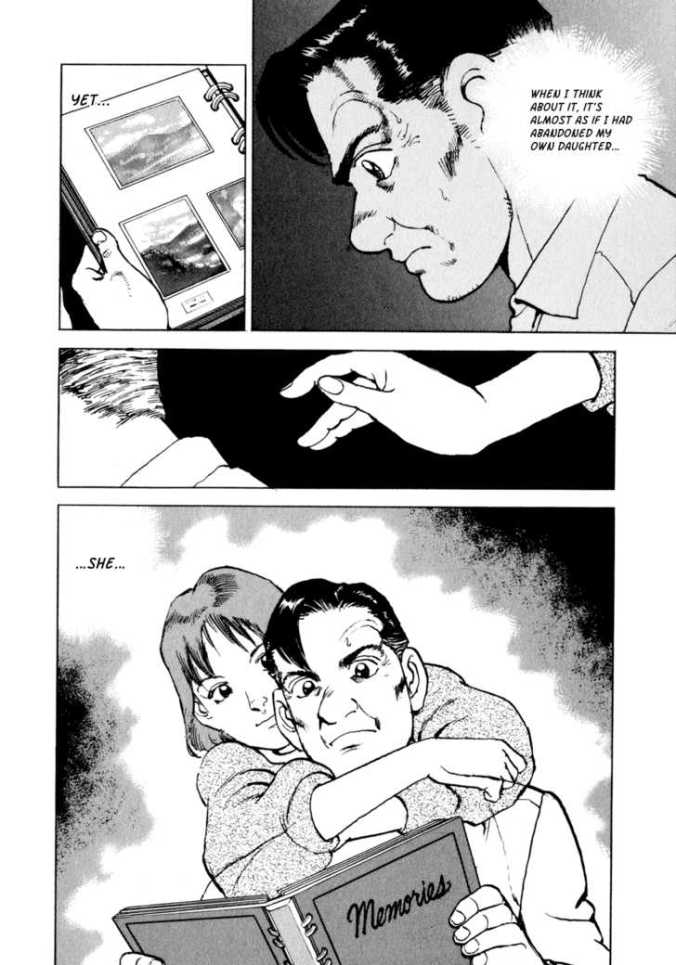
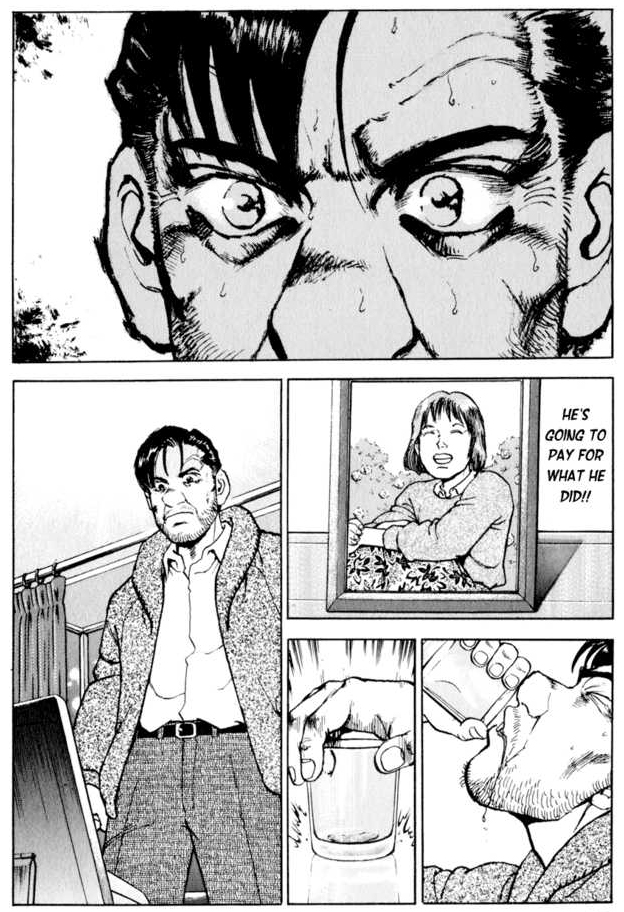
The story unfolds, and reveals single pieces of mystery and detective work, as Masao Takeda tries to walk the same path his daughter did on the fateful day she died. As he retreads his memories, Takeda sees himself as a bad father during her lifetime. He was too cold, distant, didn’t really care for her interests and hobbies, and was always at work.

But now, all he can and even must do, is to look at her life and interests.

5f210497582ad7896b38455dbcbb10c22ded9dac1720c6afa021f2ddbff3090f

And so, they reunite from beyond the grave to find the killer and their lost time – together.

A big criticism of FKMT’s body of work has always been that he doesn’t include romance or important female characters in his stories. While largely true, this does not impact the strength and importance of his work. It is not his focus, and it may also be his way of breaking with his “Shoujo Manga Artist” past. He was once an artist who wrote and drew romance, even winning awards with it, but it left him unhappy. It was not what he wanted to do. So, he left the magazine he worked for, and went to a tiny Majongg manga magazine. And this is where his career took off. But now, it is nearly impossible to find his old work before he started doing Seinen.

Instead, he has found his way. He understands and paints “relationships”, especially between male characters, more than any other: be it top-down unbalanced friendships, true friendship, naive falling for fake relationships, false admiration, extensive villainy, a mix of all of them, or in this case: Family. And as he has shown in other works – most noteably in Kaiji Part 4 – that “family” is theme he can do perfectly. It’s even a more rare case here: The bond between daughter and father – a theme way too often overlooked and underexplored in media. “LifE” shows it in a beautiful, strong light, that may bring a tear to your eyes and make your heart swell.

Takeda only has 6 months to solve the case, and to live on this planet. It is his last stand and final action. The clock is ticking. 15 years are a long time. Many things have changed. This is not going to be easy.

life-3

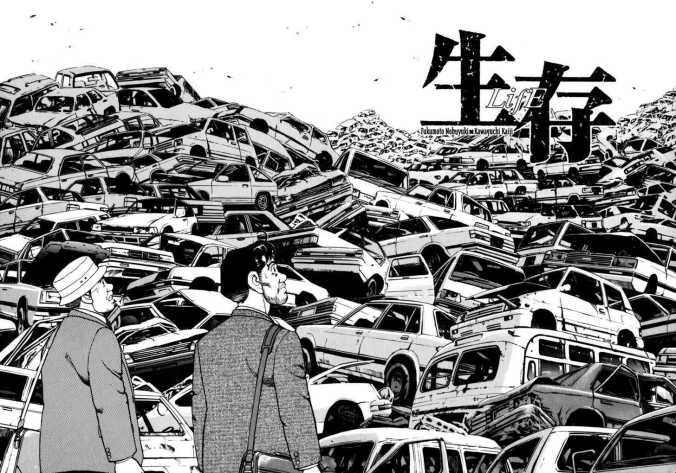
It’s like finding a needle in a haystack. Or a clue in a junkyard full of cars.

Complementing FKMT’s writing is Kawaguchi’s artwork, a very detailed, but still slightly cartoonish look, that gives it a strong sense of realism. A special focus should be put onto protagonist Takeda. His grave, sad, expressive face is what carries this manga. In addition, cancer is eating away at Takeda’s general health, meaning that he becomes more and more thin and gaunt the more time passes. The visual clock of his well-being is ticking away too.

Takeda must also walk the fine line between “handing the murderer to the police”, and “not turn into a raging vigilante”, which is also a theme in the story. When sadness and grief builds up for so long, it can cause immense damage.

6835e044630dc80e5712e1fe08129e08

“Shining Justice” certainly looks different.

While this story seems inherently sad from the outlook and may scare some readers away, I can more than recommend it for its intense detective/mystery story, but also for the heartwarming moments. “LifE” is a story of hope and sadness, reuniting of a family, the bond between father and daughter, and the race against death – for one last act of justice.

“LifE” is concluded in 3 volumes, and would make for a really good movie length-wise. FKMT’s writing and Kawaguchi’s artstyle really compliment each other and create a strong, emotional impression, with a touching story and expressive art.

57706141800f05de310aee185008a893

After this heartwarming/breaking story, let us focus on FKMT’s other short story and main strength: Intensity and Thrill.

Confession

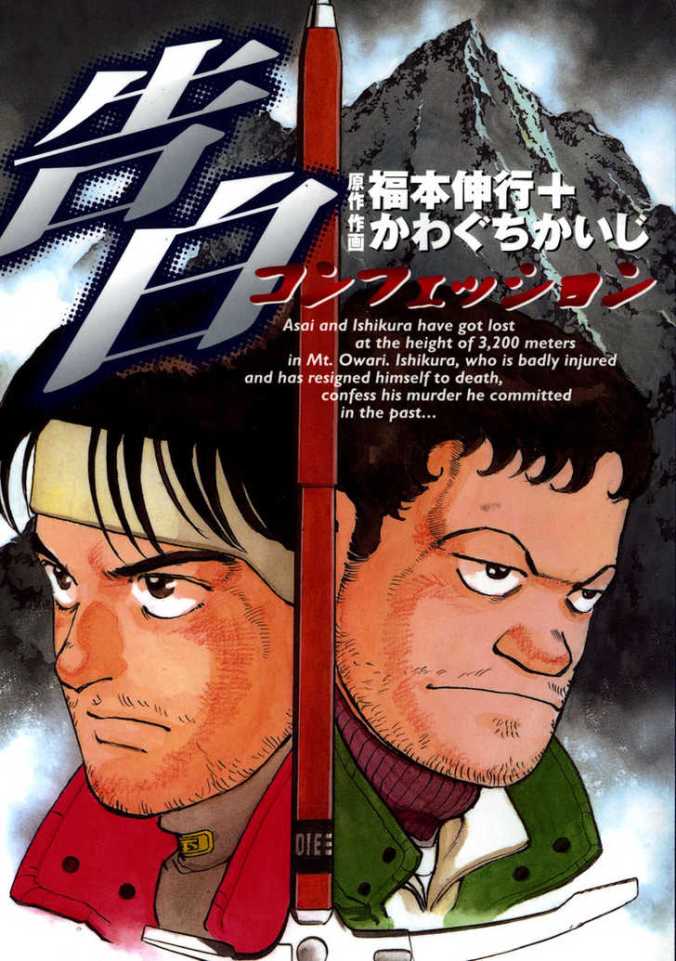
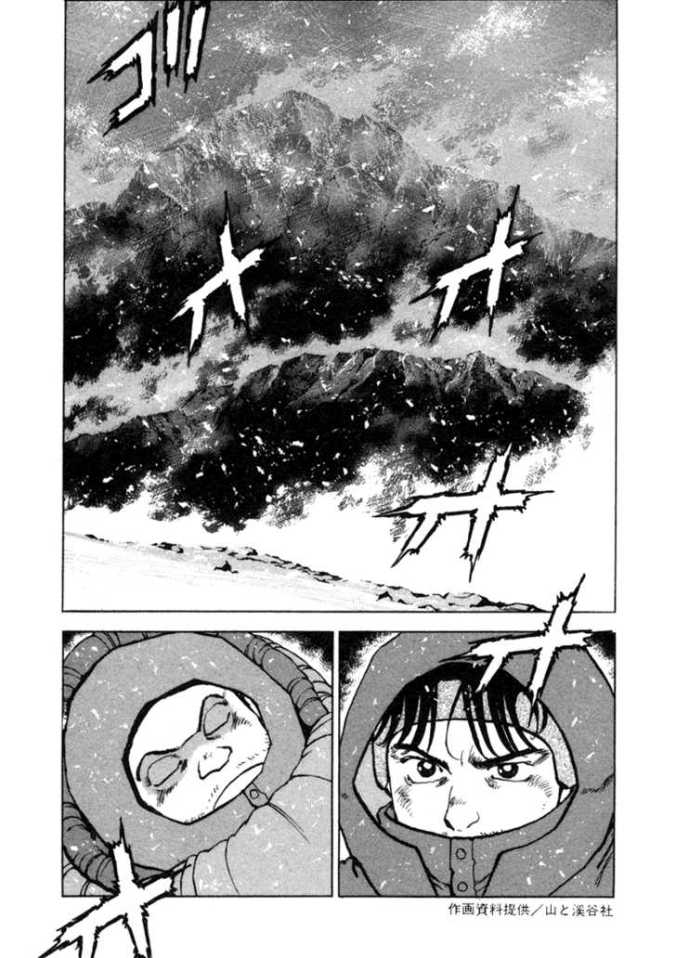
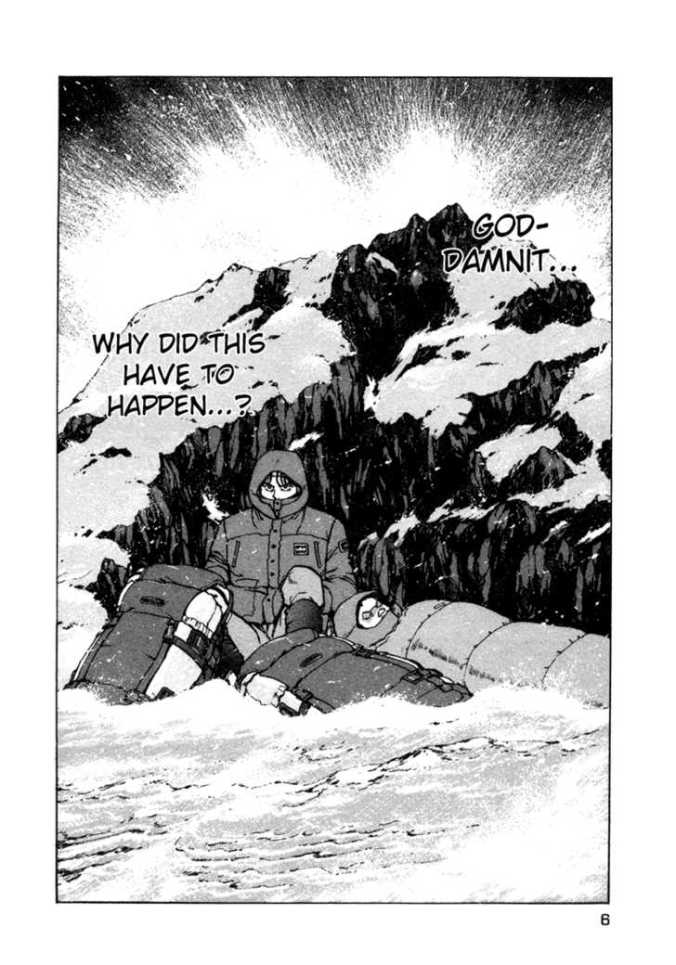
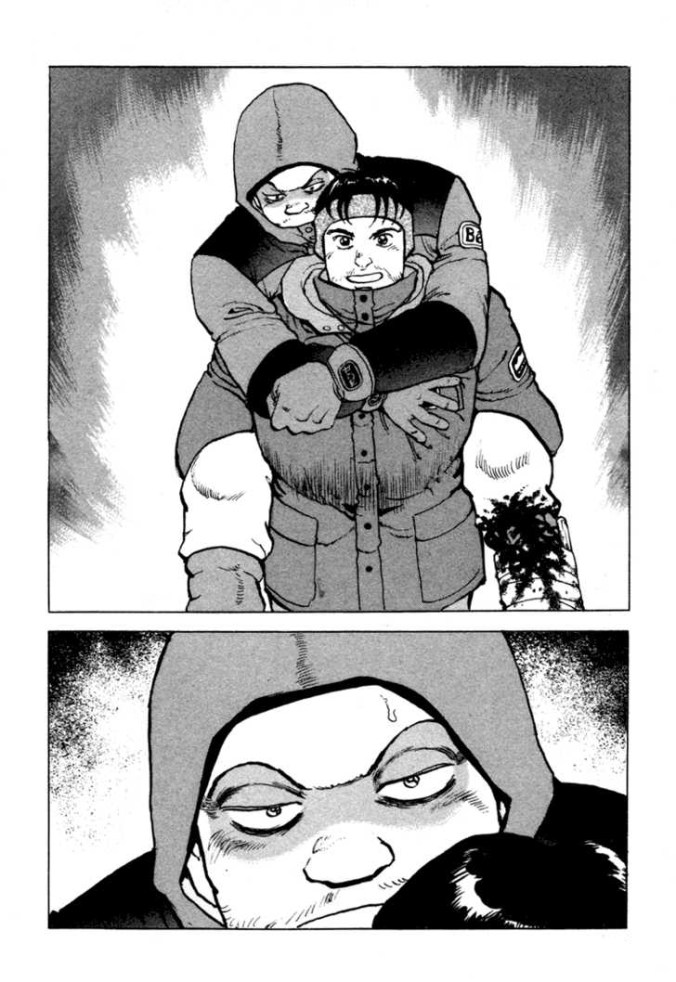
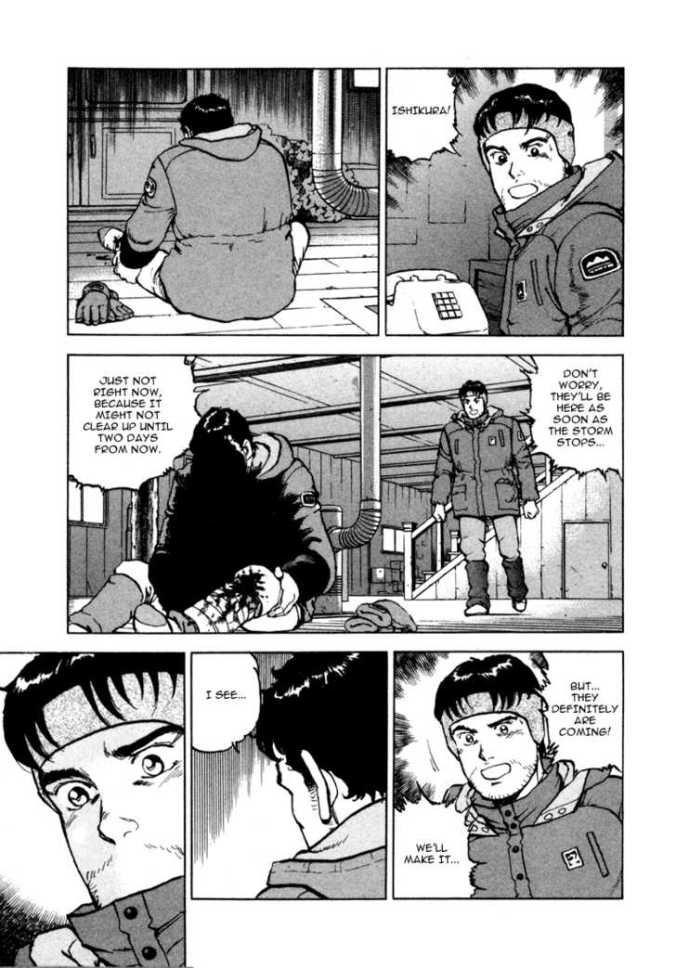
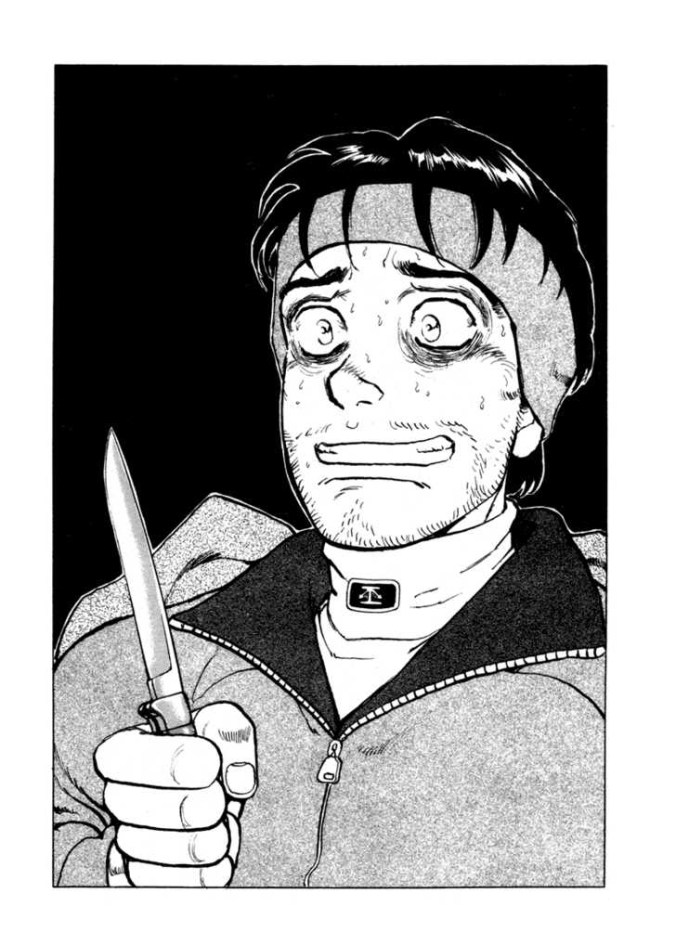
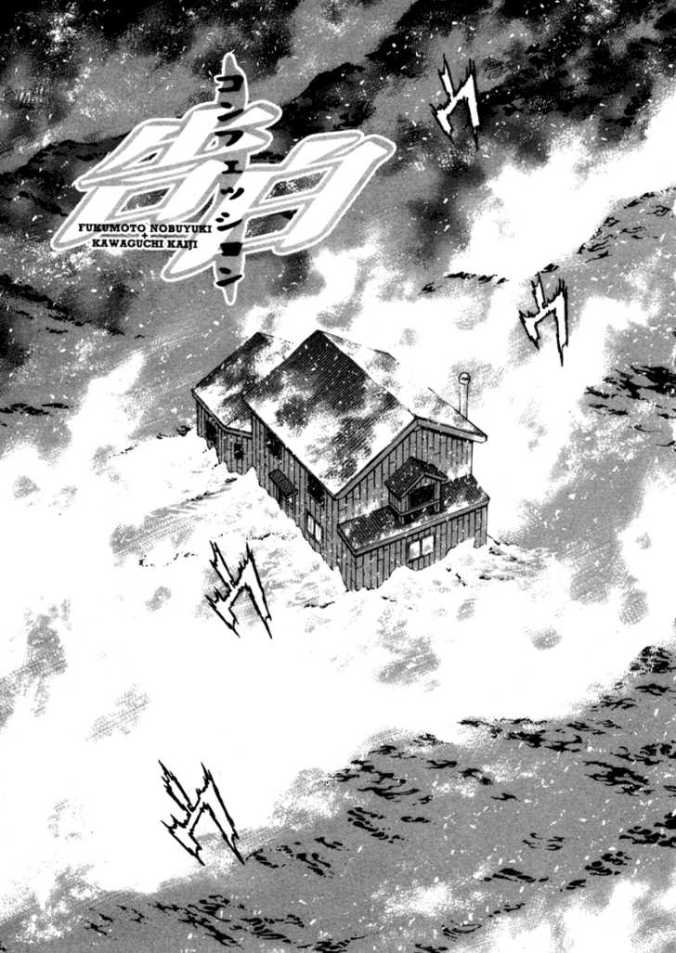
“Confession” or “Confession: Kokuhaku” is the story of two friends, Asai and Ishikura, who go hiking in the snowy mountains, but get lost in a snowstorm.

31903dcad677faf541906944f8298dc4

Now, you may look at this cover and think, “Man, why would you write such a spoiler on your cover?” There is a point to that. It is the initial setting.

5f94a67af7da8b95876aa7a9af32177d49bdcd676c8eea469eb7ad1ff9a160a578ebf42a56d54be2bb04414b6d76a2e0

This happens in the first 15 pages.

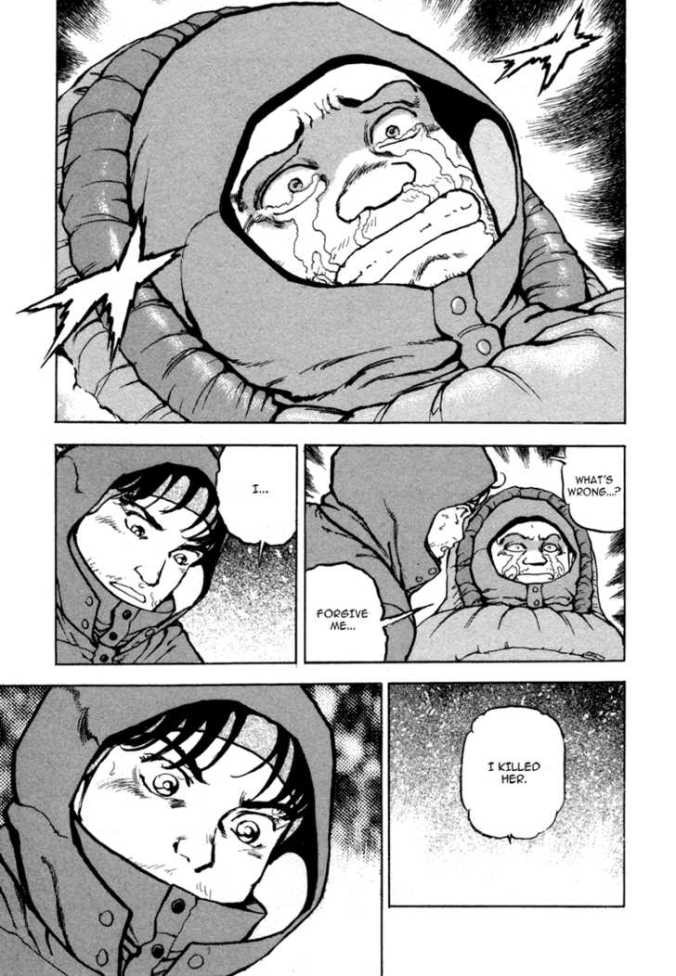
Ishikura confesses that he killed one of their friends during a past hiking trip. He is certain that they will both die in this snowstorm together, so he wants to confess his sins, to, at least, die in peace.

Asai is understanding in this extreme situation. How can he deny his dying friend’s last wish?

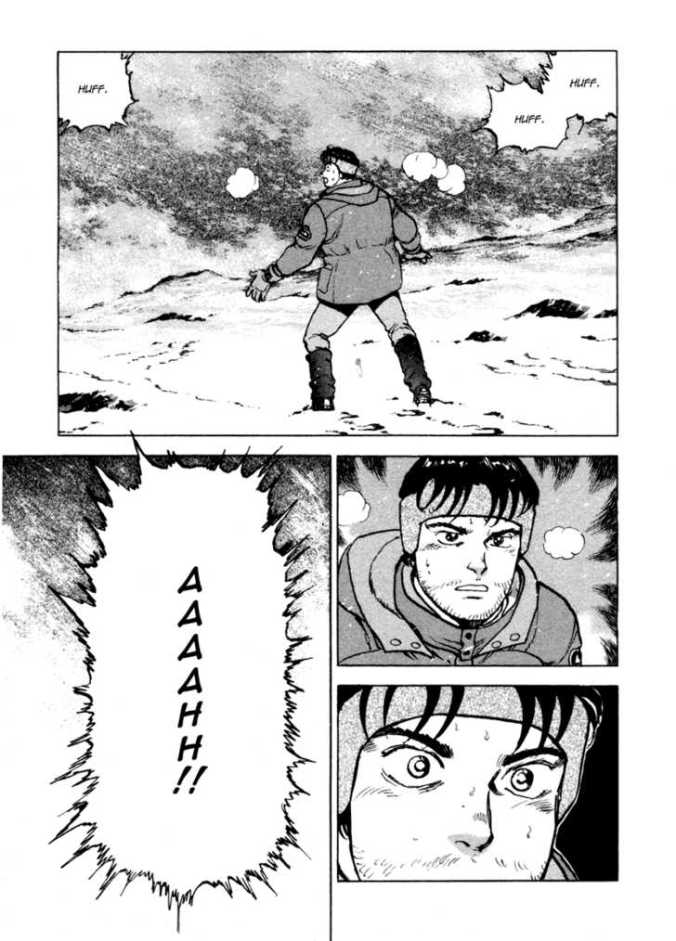
But as Asai gets up, for a desperate try to look for help, suddenly:

ea6259b60fcfee2f484a3ca95179bbbc214272010ad5b46da5eb8044ac1aa436

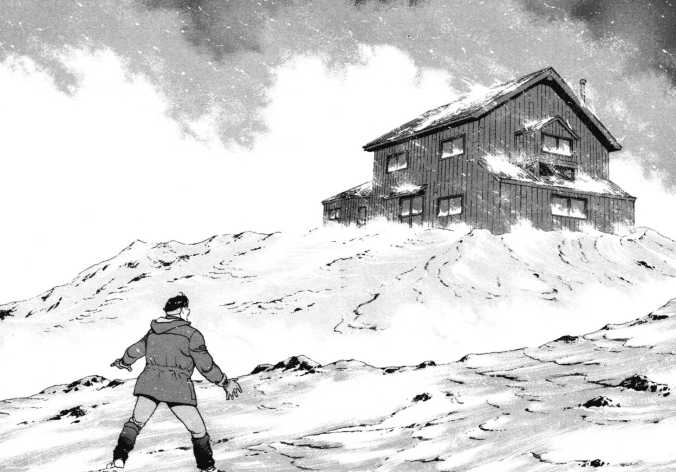
They weren’t far from their original destination, a mountain lodge.

Saved! They are not going to die out here in the cold! So, he simply needs to carry his wounded friend up there and call for help! Everything is going to turn out ok, is it?

fce7cf159e3bdf36e8387eb9261192ce

No.

In fact, everything has become worse. Ishikura just confessed a murder. And he survives. His dying wish has turned into a massive regret. Maybe into something more.

19da7d7b98e747ae25e1e7256fbdaa95733c225803a84d2eb29d3ce7ff2b96ab

Something is not alright.

And so, the manga starts. 2 days until help arrives. 2 men in a single room. One of them is a murderer, who just confessed. But he is hurt, so he cannot move.

What to do now?

6c9057b9d60e4aaacc4e5774d235d68b

They wait.

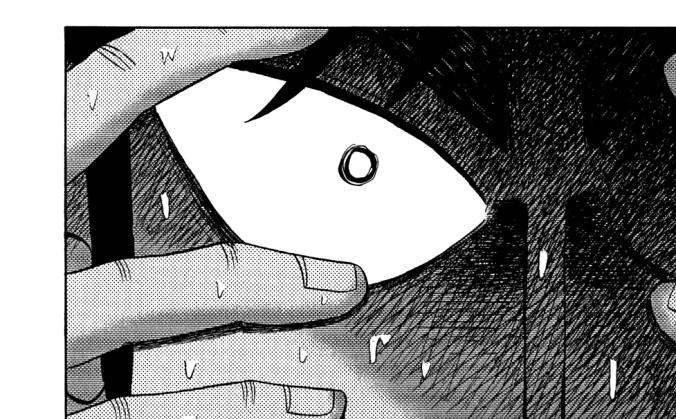
Kawaguchi’s artstyle really shines in this story, as he also shows a stylistic preference and focus that FKMT prefers in his manga: Eyes.

eye

confession

Eyes say more than a thousand words.

This is peak FKMT writing: Psychological warfare with real physical threat between two characters. We see both sides and it has the genre of a “chamber play” – a whole story that plays out in a single room. His writing influences the artstyle as well, a lot of reaction panels, atmospheric shots and internal monologue that just flies by. His writing is so smooth, you won’t notice going through many, many pages.

268b50cef47e51940c15cd8b352bd580

I do not wish to tell you more than this setting, because this story is best experienced blind, without prior knowledge. Just let it be known that FKMT is a master of dialogue, suspense and Thriller.

“Confession” is only one volume, about 300 pages long, and yet it has you on the edge of your seat at every page turn.

Conclusion

If you ask me personally, I prefer “Confession” over “LifE”, as it had me cling to my table while reading it. This does not mean that “LifE” is bad, far from it. Both works are brilliant short pieces, but fundamentally different in tone and narrative structure, so that it comes down to personal preference. While “Confession” glued me to the pages and sucked me in with pure intensity and rough power, “LifE” made my eyes teary in empathy and understanding.

Both stories have aspects that many fans and critics love about FKMT’s writing: Heartwarming and heartbreaking moments, raw emotion, intruiging characters, difficult and interesting relationships, unique situations, psychological aspects and intense atmosphere.

If you are a fan of FKMT already, these stories are interesting additions to his canon and great observations about his writing, to see it detached from his unique, yet “something-to-get-used-to” artstyle.

If you haven’t read anything by FKMT yet, or have been put off by his artstyle, this may be your chance to check him out as an author and see the appeal that his trusty, long-living fanbase loves him so much for.

The End.

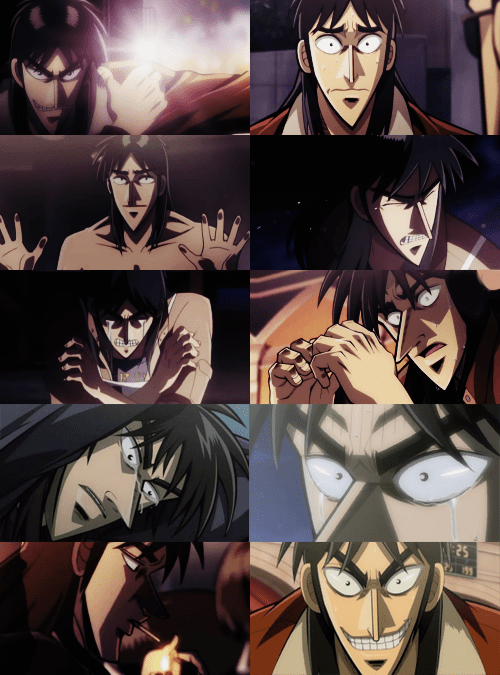
“Kaiji” – An Introduction to One of my Favourite Anime

kaiji-and-group.png

Genres: Seinen | Thriller | Psychological | Gambling

Rating: R (17+)

Studio: Madhouse

Year: 2007 (Season 1) | 2011 (Season 2)

Streaming License: Crunchyroll

What is this?

“Kaiji” is an adaptation of the manga by the same name, by author and mangaka Nobuyuki Fukumoto. “Kaiji” is his highly regarded, most popular manga. Running since 1996 and still ongoing today, it is a very influential piece and a beloved franchise. Like other long-running series, it is split up into story parts. The manga is currently in Part 5, and Part 1 and 2 were adapted into anime by Studio Madhouse, with Season 1 and 2 respectively.

Story

In the financial crisis of 90’s Japan, Kaiji, a young good-for-nothing guy, is failing at life. Accumulating small gambling debts, drinking and smoking, being jobless, living alone in his tiny apartment – he lives a sad life that he wants to change. Due to a stroke of tragic destiny, he suddenly gains a lot more debt, as he absent-mindedly signed a contract for one of his co-workers a few years ago. Now a mafia loan-shark stands in front of him, telling him that he is 3,850,000 Yen (~35,500$) in debt. And they want their money back. Now.

Thus starts the adventure of Kaiji, through a lot of manly tears, addiction, hype, tragedy, happiness, gambles, pain and twisted gameshows.

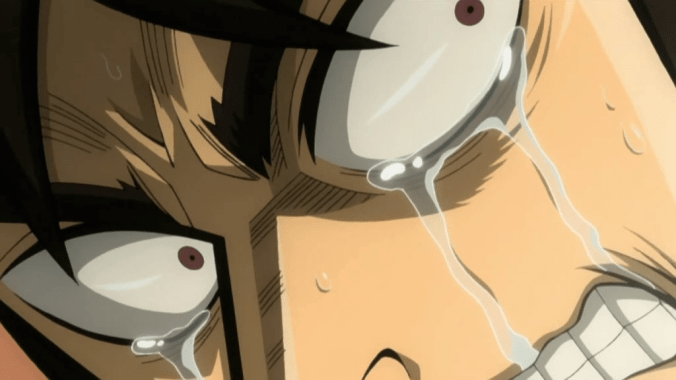
kaiji-cry

Eh.

What?

I have seen this, I don’t like the art style. It looks ugly.

Don’t worry, there are perfectly good reasons for the art style to be like that.

Firstly, this is Fukumoto’s style. His character design is sharp, angular and instantly recognisable. And Madhouse did a fantastic job of brushing up his style and giving it a fresh coat of paint. Here is a comparison between the first chapter of the manga (1996) and the first episode of the anime (2007).

00.png

This slideshow requires JavaScript.

Sharper, cleaner and more modern, while keeping the spirit.

They made the initial artwork more accessible and more timeless, the same way Studio David Productions handled the modern adaptation of Jojo’s Bizarre Adventure.

Secondly, this style fits perfectly for the stories Fukumoto is telling. Kaiji is a story of the lowlifes of this generation, the ones without hope and money, the shady business of loan sharks and the dark empire of the yakuzas. This is not a pleasant world, and the art reflects that. It is not supposed to be beautiful. The creators were in on the joke for Season 2 and straight up advertised it as “It’s the anti-moe anime.”

You will grow to you like it, once you see it in context and motion, trust me!

Characters

The main protagonist is Kaiji Itou, a man in his early twenties, our first grade procrastinator and overly emotional underdog. He may be one of the most relatable characters, without being a self-insert MC. Today’s anime landscape is saturated with overpowered light novel edgelords and insanely dense harem “comedy” protagonists, who can’t express any emotions except embarrassment when confronted with any form of sexuality.

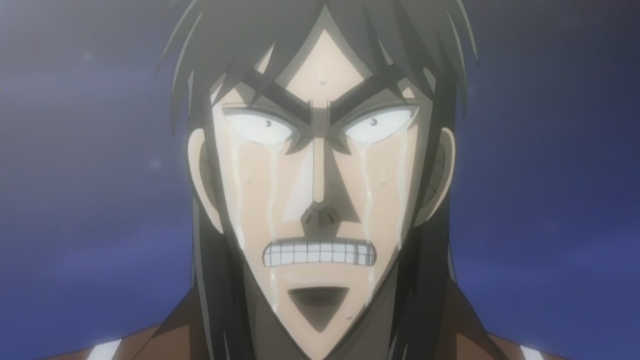
Kaiji is emotional, he cries a lot, but he is annoyed by this fact – he doesn’t like it. He wants to change his life, he wants to do something! But life is not that easy sometimes. Some obstacles are thrown in his way, some obstacles he creates himself.

Significant to notice is: He is emotional, not whiny.

His emotional range goes both ways. From happy to sad, from destroyed to gleeful, this man has everything. He is expressive and vivid, in Season 1 and even more in Season 2.

kaiji compo v2.png

Season 1

kaiji compo 2

Season 2

Kaiji as a protagonist is an outright joy to watch, and that paired with the intense, unpredictable, serious Seinen plot, makes an emotional rollercoaster. Will he win? Will he lose? Will his plans work out for him?

When he is thrown into this unusual situation of fighting to survive, kill or be killed, he will reach his limits; but here is the important fact: He will not give up, he will fight. The harder he is pushed, the harder he will fight back. Even if that means suffering and dealing with the consequences of lost gambles.

And the yakuza do not take kindly to people screwing with them. Believe me, there is a reason “Kaiji” is rated R. Expect physical and psychological violence. This series gets intense. Manly tears shall flow.

tumblr_mkz5tcLoLO1r5kw8so3_1280.png

Life isn’t all sunshine and rainbows.

Voice Acting

What makes Kaiji also work as a protagonist is not only the story and the characterisation; it’s also the voice work of Masato Hagiwara as Kaiji. He is not a voice actor, he is a film actor – often playing roles in drama and thriller movies. He is able to pull this emotional range off, and give it a realistic, non-anime touch. The main character breathes and comes to life.

The other important character is the “Narrator”. With a big, booming voice, he will explain and announce, and sometimes even have his own monologues. Over the top and full of ham, this performance is pure fun. You may recognise this voice: It’s Fumihiko Tachiki a.k.a. “Gendou Ikari” from Neon Genesis Evangelion.

This rift between realism and overstatement creates both moments of comedy and drama. Having these two voices clash is bliss.

stare.png

The narrator knows what’s up!

Soundtrack

Absolutely fantastic. As this anime is mostly about mind-battles and has heavy use of internal monologue and dialogues between characters, you need something to accompany this mass of words. And the OST by Hideki Taniuchi is stellar. You could watch this series for its soundtrack alone.

The whole OST is an effective blend between “hype”, “melancholy” and “INTENSE” . I can only call this OST “depressingly uplifting”. It fits the tone of the show like a glove. (I do not wish to spoil the soundtrack, but here is a selection if you want to check it out beforehand.)

Hype

Fate | Wish | Don’t Give Up | High Max

Melancholy

Beginning | Regret | Elegie | Child’s Mind

INTENSE

Middle Zawa | Black Sun | Prologue | ZAWA ZAWA~

What is this “Zawa”?

As most long-running influential series, some aspects gain a form of an iconic status.

For example, in Jojo’s Bizarre Adventure, it’s the use of  ゴゴゴゴゴ, the “menacing” sound effect used by Araki. Fukumoto also has his own sound effect that he uses: ざわ‥ or “Zawa…” meaning “unnerving/muttering/whispers/uncomfortable”. Madhouse, like David Productions, incorporated these sound words into the anime, and in this case, even into the soundtrack. It has a unique effect in creating an uneasy atmosphere.

kaiji.png

ZAWA…

Any downsides?

The animation is not the most mindblowing of all – it is solid, sharp and polished, but it takes a backseat compared to the dialogue, the characters, the intrigue and the soundtrack. Sakuga moments do exist, and they are great, especially in the realm of character acting – but most are reserved for big reveals and story twists. The use of CGI is unfortunately there, a bit more so in Season 1 – but it is mostly used as a 3D camera for establishing shots and sweeping shots through rooms and across tables. But: CGI is never used on characters or crowds. They are always hand-drawn, which is a big plus.

Another thing would be the sort-of slow beginning. Season 1 does not immediately start with life-or-death scenarios and Kaiji, the old procrastinator, needs a good slap in the face before he gets going. He needs to understand his position first. But once it gets into the hype flow, you will be binging this series. His character development is beautiful to watch.

Season 1 is great, but Season 2 clearly outshines it, with better soundtrack, better animation, better characterisation of the villains and even more intense mind battles. Fukumoto gets better with every part, in his writing and his artwork, and it shows.

Also, Studio Madhouse made a season 2 for once, hurray! Therefore, Season 3 never. But you can immediately pick up the manga for Part 3 after finishing Season 2, if you so desire. The adaptation is very faithful.

(And stay away from the live action movies. They’re bloody awful adaptations. But that is a rant for another day.)

Influence and Conclusion

ka

Kaiji was highly influential for the mid-nineties, by having a humane main character, who has his own flaws and occupies the position of an underdog. He is not overpowered, he has to work, scheme and think hard in order to win. And there is no way to tell if it will work out.

The ending for Season 1 conveys this feeling quite beautifully. The slow walk with a grave, Western style song, that nearly feels tarantino-esque, is delightfully elegant. Simple, yet effective.

In contrast to other gambling manga from this time period, Kaiji’s gambles are all original games. There is no Poker, Uno, Roulette, or Black Jack – everything and anything can be a gamble. This makes it easier for the audience to understand the situations, as no previous knowledge is needed and we, the audience, can figure out a way to beat the game with Kaiji together.

And little references to “Kaiji” are still present in anime today, either in direct form or as parody. Kaiji recently even got a “Monster Hunter” DLC, complete with little word clouds of ZAWA that surround your character. (Trailer, Attention: Little visual spoilers for Kaiji!)

It is a cherished franchise, still today, after 20 years.

“Kaiji” is a unique, intense, historically important manga, winning the Kodansha Manga Award in 1998. It has been treated and remade with great care and love in anime form, and I think that you will enjoy it. Both seasons have great ratings, but they are criminally underwatched. Maybe it’s your turn to check them out!

Watch this if…

– you like Jojo’s Bizarre Adventure. As already mentioned above, it’s an old manga series that has been brought to life again with a lot of care and love for the influential, beloved source material. The mix of intense battles and manly emotions is similar – just with a lot less muscles and longer hair. Important: If you loved the D’Arby Brothers fights in “Stardust Crusaders”, this is absolutely for you.

– you like Gen Urobuchi, especially Madoka Magica. Yes, you read that correctly. Both series share a common theme of likable characters going through a lot of pain and suffering. You might like Kaiji if you enjoyed Madoka for this melancholy feel. Get ready for another form of despair: Urobuchi is more tragedy and personal destiny, while Fukumoto is more human drama and moral dilemmas. It’s different, but in the same tradition.

– you like Sports Anime: Gambling is a sport! Just with more “card-throwing” and less “ball-tossing”. Some episodes feel as if only 5 minutes had passed. The hype soundtrack and insane cliffhangers will have you on the edge of your seat, as per usual for the genre. I can’t possibly fathom how people could have watched this series while airing. Kaiji is highly binge-watchable.

– you like Mind Battles: “Death Note” or the manga “Liar Game” are some examples that fit the genre. They are cat and mouse games, where the roles can easily switch from the hunter to the hunted.

you have been feeling down lately. There is nothing more cathartic and supportive than watching a character who is in an equal, or even worse position than you are. You are not alone. Aren’t we all procrastinators? Do you also just work when somebody forces you, or gives you a deadline? Haven’t we all got hope that our lives get better? Instead of looking for escapism – go for confrontation.

TL;DR Kaiji is a long-running manga, starting from 1996 and still ongoing today. It currently has 5 parts, Part 1 and 2 both got an anime series. Kaiji has ludicrous amounts of debts that he has to pay back to the yakuza. Join him in his adventures and his life-or-death gambles to get money. It’s a depressingly uplifting tale, with an endearing, overly-emotional protagonist who is all too relatable.

UPDATE July 2023: Kaiji was mentioned as one of the main influences on the Netflix hit series “Squid Game”, and the anime has a US Bluray release! Please enjoy!

kaiji-and-group

The End.

MANLY MONDAY: “My Brother’s Husband” – LGBT Slice of Life with a Big Heart

e03301

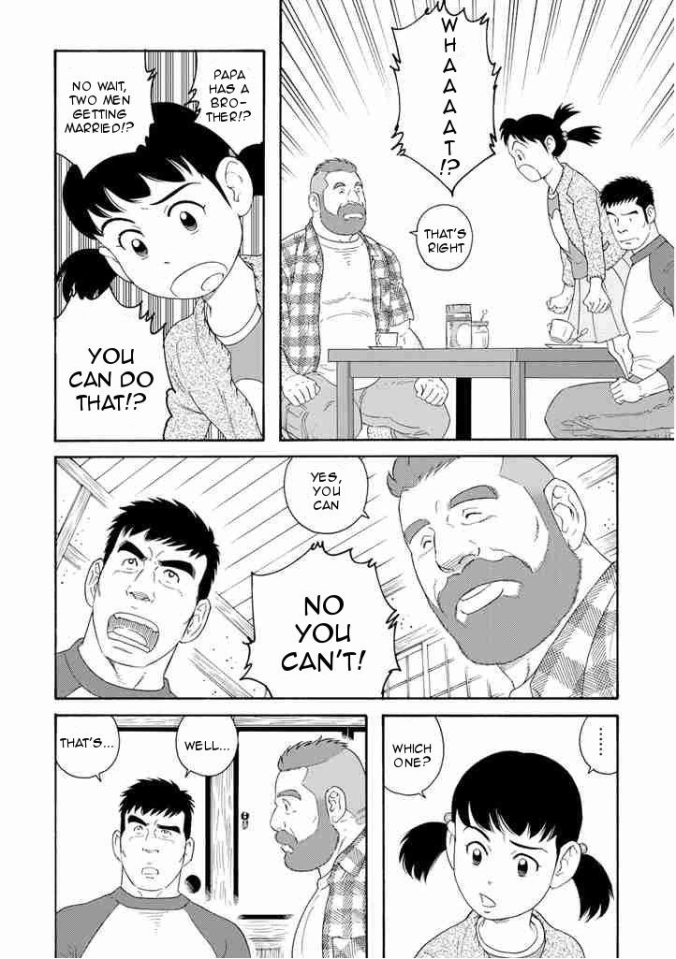
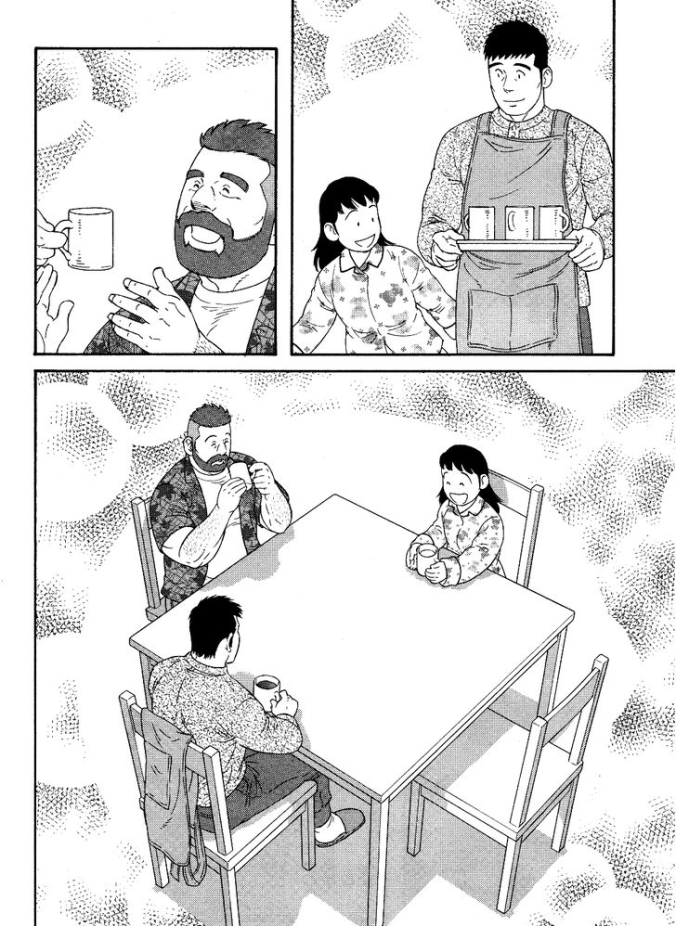
In the vast landscape of manga, there is a niche. A tiny one, apart from all the others: The Bara genre, or Gei komi. Gay manga for gay men – far away from the feminine bishonen look of Shonen-ai and Yaoi. This is a genre of sexual content that the favours all male body types. From big to short, to curvy or hairy. Generally: A lot more “manly aesthetics”.

To understand this niche, you need to know: Being gay in Japan is not easy. Traditional world views are still in place, heterosexuality is the norm, homosexuality is seen as just “something silly” on TV. It is not being talked about, and swept under the rug. Coming out is hard, and parents will be highly disappointed or flat out destroyed at the prospect of not having grandchildren.

How does one deal in this environment as a gay person? What is this society? How can we talk about this? Here, Gengoroh Tagame comes in.

The grandfather of Bara/Gei Komi is Gengoroh Tagame. Born in 1964 and openly gay, he is the one that brought the overlooked, tiny genre to new heights – with explicit drawings, historical settings, and a lot of BDSM works, ever since the 80’s. (Please do not “Google Image Search” his name lightly, his art is extremely explicit NSFW.)

In 2014, Tagame would start his first mainstream, not sexually themed manga, in Monthly Action – the magazine that recently published “Orange”. A manga about LGBT issues in Japan, that was the plan. But he would not be angry or preachy, do something shocking, or try to disrupt the social norms – no.

He decided to do a Slice of Life manga.

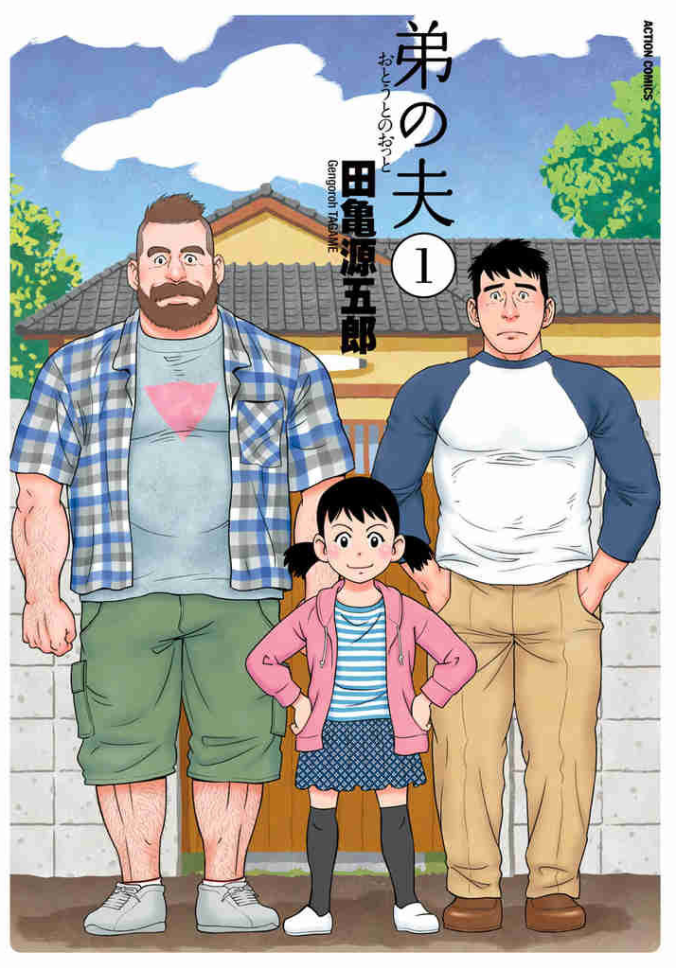
This is “Otouto no Otto” or “My Brother’s Husband”.

00cover.png

Story

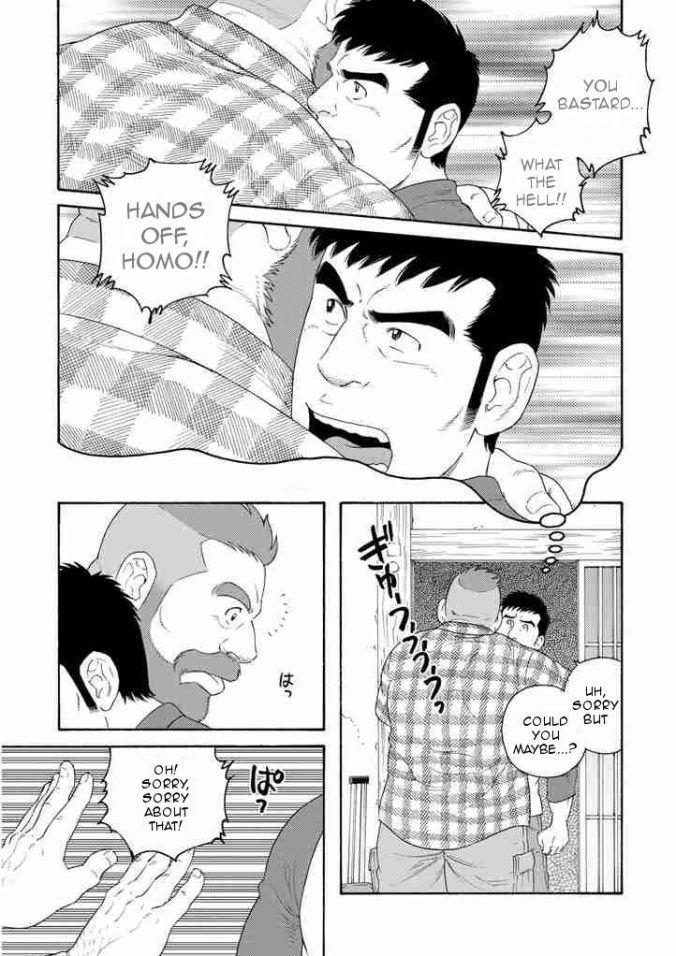
Yaichi and Ryochi were twin brothers, but their parents died when they were young, and so, they tackled life and its difficulties together.

But one day, Ryochi outed himself as gay, and went to Canada, to live his life the way he wanted to, leaving Yaichi alone in Japan. Apart from each other, they lived their lives. Yaichi is now a grown man, and a stay-at-home single dad, living with his daughter Kana.

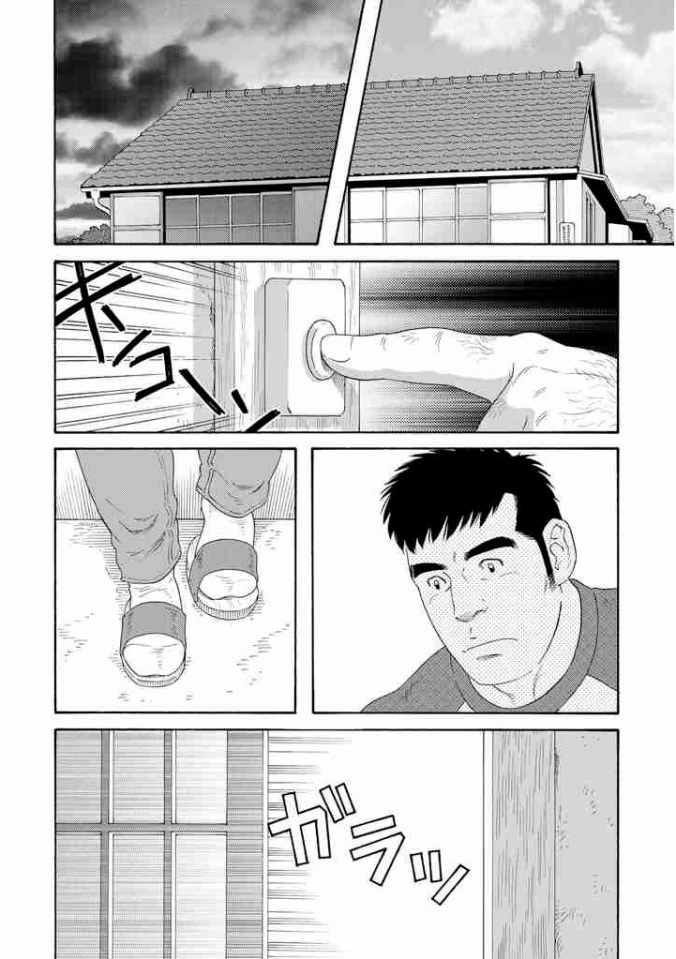
Unfortunately, Ryochi died just one month ago, leaving Yaichi in grief. But right now, this is not his biggest worry. Someone he doesn’t know is about to visit his house.

It’s his late brother’s husband.

d014

d015

d016

d017

d019

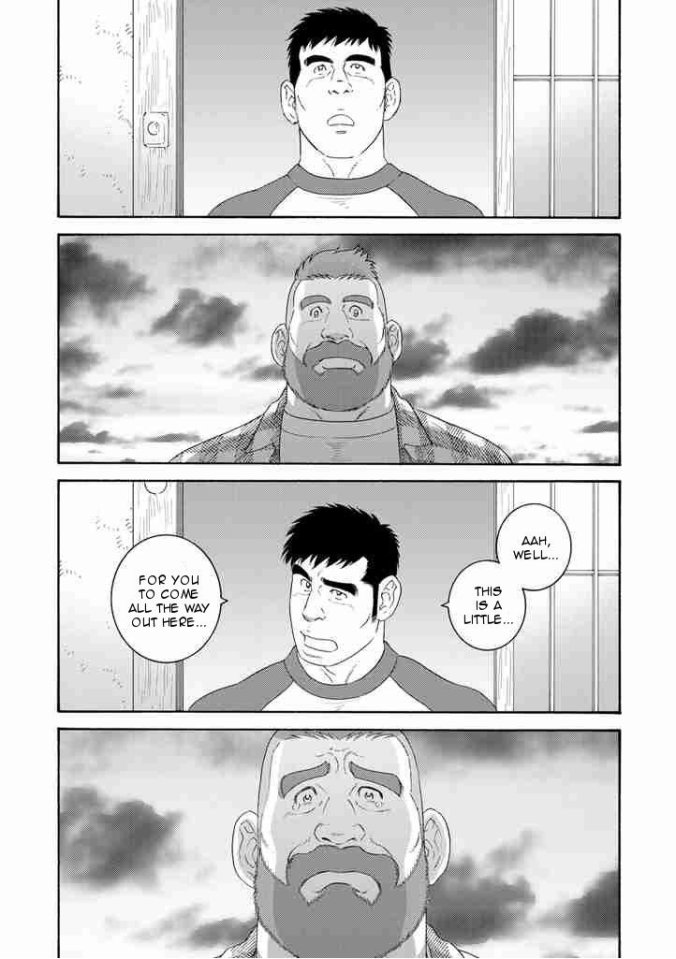
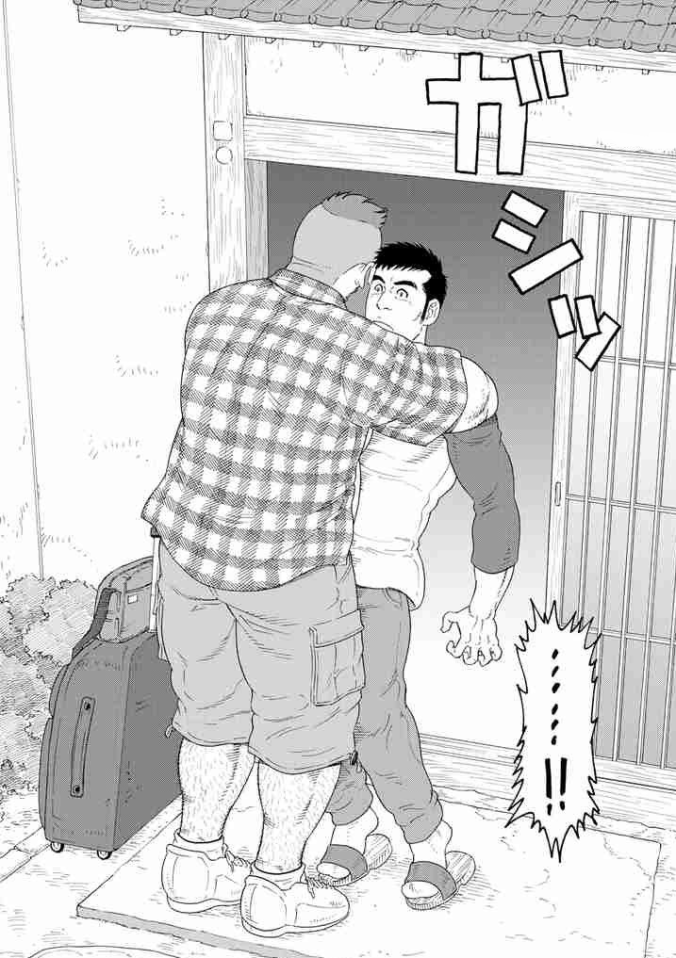
Unfortunately, initial awkwardness happens.

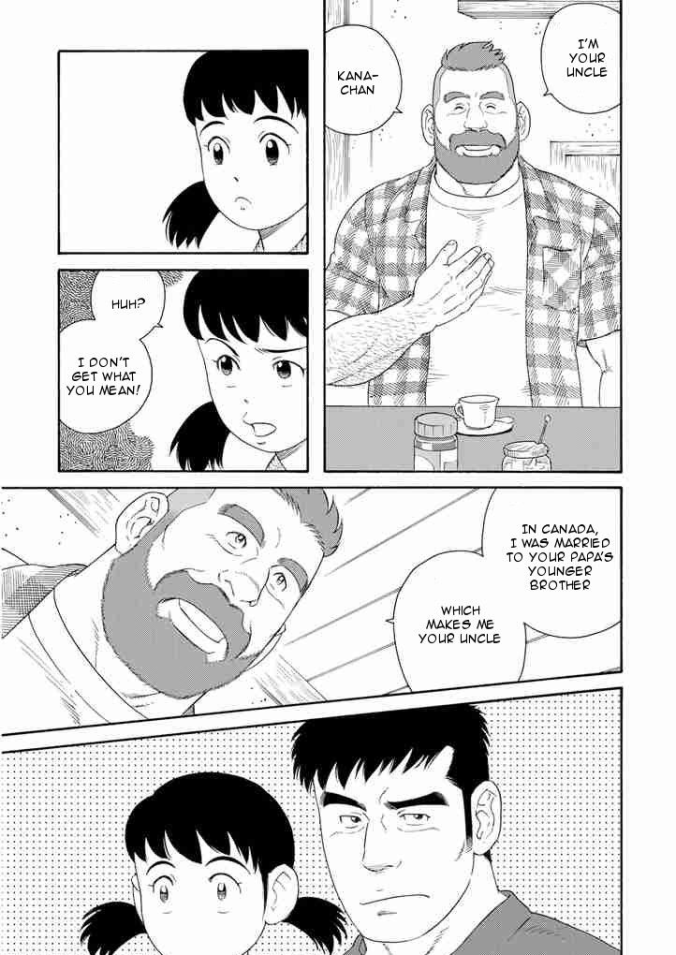
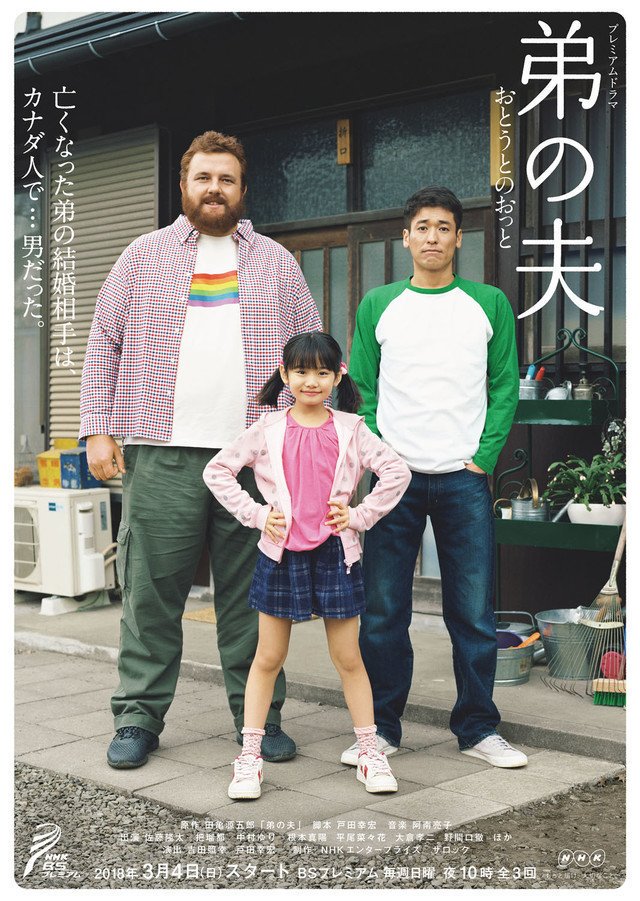
And thus, Mike, a big, bearish Canadian man, enters his household for a holiday. He was married to his twin brother Ryochi, and, now a widower, he wants to visit his late husband’s family and country, to see how he lived and to share memories.

Yaichi is not really amused by this. Of course, family is important, he can’t simply ignore his brother-in-law … but he is not comfortable with having “this homosexual foreigner” under his roof.

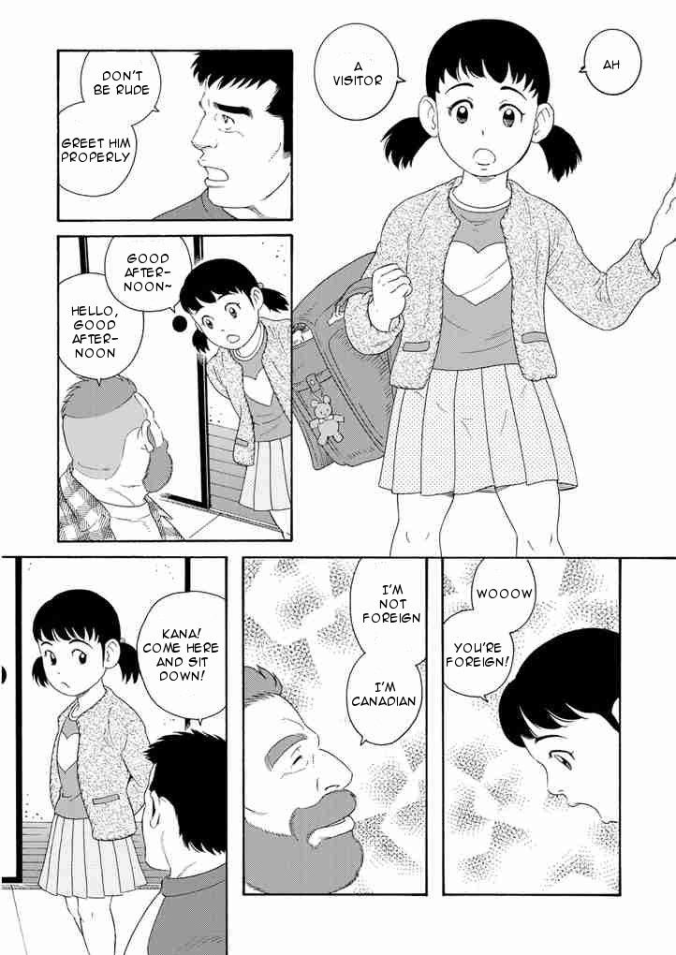
His daughter Kana, however, is different.

d021

d023

d024

His daughter Kana is experiences her first culture crash.

g022.png

But in the end, she is happy!

And so, the slice of life story of Ryochi, Kana and Mike begins.

Culture and Understanding

This manga is a cultural and social observation, from three different point of views. Ryochi, the rather reserved and lightly traditional Japanese man, sad about his brother’s death; Kana, the young child who sees no problem in having a new uncle; and Mike, the gentle grieving widower, who wants to experience his beloved partner’s culture and explore the past.

The main strength of “My Brother’s Husband” is the portrayal of culture and society. It would be way too easy to say “Japanese society is bad!” and just leave it at that. Instead, this manga becomes a story of sharing: culture, stories and memories.

Mike is interested in visiting Japan and its culture, he is very happy about it, although he sometimes still makes cultural mistakes, like hugging people, or pronouncing names wrong. Ryochi hadn’t seen his brother in many years, and he is interested in hearing how life was in Canada.

To present his country in the best manner possible, Ryochi integrates Mike into his household, doing day to day things togther, and going on trips, to explore Japan and to explain this new, interesting culture to Mike who only knew it through his husband.

e008.png

Slice of Life goodness.

Mike has seen a side of Yaichi that Ryochi never saw, while Ryochi has only memories of his brother when they were younger. Kana never got to know her real uncle.

Hence, the dialogue becomes important in the story. It evolves slowly into more than sharing history, and both men soon start talking about their feelings of loss and sadness, as they open up to each other. The two very different men become friends.

While the “slice of life moments” are really heartwarming and lovely, this manga can really hit you hard with emotion. Both men are in grief – one has lost his brother, the only family he had left, the other one has lost his beloved partner for life.

e018.png

The shadow of his former twin brother…

m013.png

… and the image of his late husband.

Conclusion

“My Brother’s Husband” is a melancholic, yet heartwarming slice of life manga, about a topic that is not often talked about. It approches the theme of LGBT in Japan with great care and love, without ever being preachy or condecending.

There are other themes explored as well, and the cast gets bigger as more people are introduced. I do not wish to spoil the manga here any further, as it is best read blind. It is currently ongoing, with 20 chapters in 3 volumes, and will most likely continue. I am normally not the type to recommend an ongoing series, but the future looks stellar.

If you don’t like slice of life, this is a very skilled and warm approach to it, that may introduce you to the genre. Some people are scared away from SoL, as they often see it as just a genre where “cute girls do cute things”, but this is really not the case here. (You can still see Tagame’s Bara roots just by the detailed and careful way he draws body hair, or men’s physique in general.)

If you like slice of life, I can more than recommend it. The themes of family, sharing and heartwarming togetherness are a beauty.

The manga won the 19th Japan Media Arts Festival Excellence Award in 2015. With other family themed manga like “Barakamon” and “Sweetness and Lightning”, I can only hope that this manga will have an anime one day too, be it just a short series, or even a movie. It fits well as a “slightly more muscly” entry into the Slice of Life “Golden Age” that we are now in. It would not only be a unique take on the genre, but the first time that the genre and authorship of Bara would be recognised in anime – a huge step for LGBT in Japan.

Do yourself a favour and read “Otouto no Otto” or “My Brother’s Husband”, and enjoy the wonderful, not so traditional, lovely family of Ryochi, Kana and Mike.

o006

b8273d908c10249bb0f25124637aad30

The End

MAL “My Brother’s Husband”

Wikipedia “Gengoroh Tagame”

Wikipedia “Bara”

Edit: An English Omnibus release is out now! Amazon Link!

And a TV series was announced to air in March 2018!

DV4tQMNVQAAw9AG

MANLY MONDAY – “Baoh: The Visitor” OVA or “Jojo before Jojo”

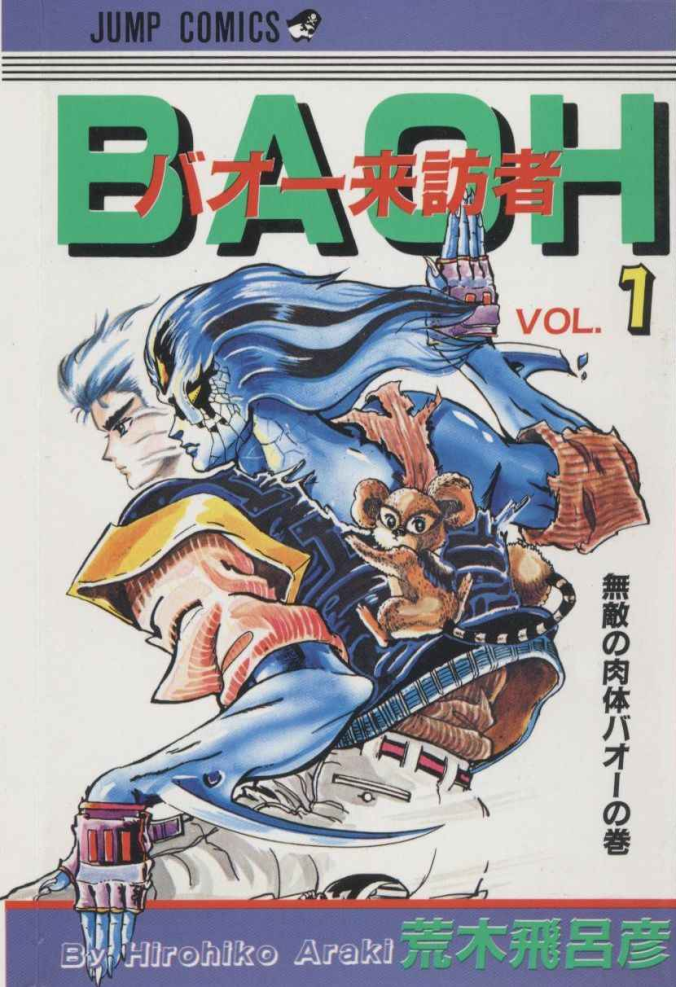
Baoh_Volume_001.png

Before there was the phenomenon “Jojo’s Bizarre Adventure”, there was “Baoh: The Visitor”.

By the same mangaka, Hirohiko Araki, this manga was “Jojo before Jojo”. The series ran in Shonen Jump in 1984, for just 9 chapters, or 2 volumes as a whole, in only five months. And yet, in this short period of time, Araki would show his craftsmanship that would fully shine in the future. From the art, to the story, to the characters, this is a unique and fantastic piece of history.

With a manga this brief, an OVA that tells the whole story was made in 1989, by Studio Pierrot. We’ll take a look at the story, the animation and reoccuring ideas of Hirohiko Araki. This is “Baoh: The Visitor”.

Story and Characters

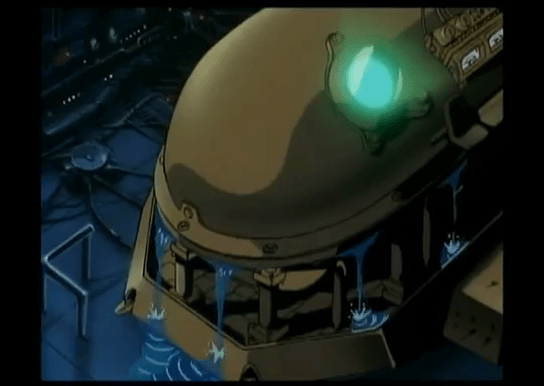
An evil corporation tests out a new biochemical weapon, an alien larva called “Baoh”, that turns any living being into an over-powered killing machine. They tested it on animals, and now for the first time, on a human. Unfortanetly, this human, named Ikuro, escapes when being transported by train.

vlcsnap-2016-08-17-09h42m37s824vlcsnap-2016-08-17-10h02m24s305vlcsnap-2016-08-21-18h49m59s363vlcsnap-2016-08-21-18h50m08s659vlcsnap-2016-08-21-18h50m28s661

The lighting and angles give it a great grim sci-fi vibe. But it wouldn’t be Araki if the muscular guy were not in a fabulous outfit.

vlcsnap-2016-08-21-18h51m22s665.png

“Excuse me, madam, I need to get through here. Don’t mind the leather and general nakedness.”

Our protagonist jumps off the train, but gets hurt by electric cables that he tried to hold on to. He is saved by a little psychic girl, Sumire, that has visions of the future.

vlcsnap-2016-08-21-18h53m16s004.png

Araki can do moe!

vlcsnap-2016-08-21-18h53m40s072vlcsnap-2016-08-21-19h08m12s759vlcsnap-2016-08-21-19h08m25s542vlcsnap-2016-08-21-19h08m28s751vlcsnap-2016-08-21-19h08m30s677vlcsnap-2016-08-21-19h08m34s588

BLEH! Araki’s creative visuals are already here!

It turns out that an assassin has been hired to kill Ikuro. He is now on the run with Sumire, and a lot of fight scenes ensue, where Ikuro starts to realise the potential of his newly gained supernatural powers. When a SWAT team led by a cyborg sniper comes after him, Ikuro a.k.a. “Baoh” goes on a violent blood-drenched rampage.

vlcsnap-2016-08-22-00h31m10s204

That is practically harmless. The violence in the OVA is much more graphic.

vlcsnap-2016-08-22-00h32m20s759vlcsnap-2016-08-22-00h32m22s834vlcsnap-2016-08-22-00h32m25s954vlcsnap-2016-08-22-00h32m28s056vlcsnap-2016-08-22-00h32m32s512

But what has he become?

The evil corporation kidnaps Sumire, in order to lure Ikuro back to the laboratory. Here, the action gets even more intense, with a psychic villain called “Walken”.

vlcsnap-2016-08-22-00h38m46s311vlcsnap-2016-08-22-00h39m45s803vlcsnap-2016-08-22-00h39m47s764vlcsnap-2016-08-22-00h39m48s840

He has fire powers that are animated in impressive swirls.

And so, a big battle takes place, the laboratory is destroyed, and “Baoh” goes down with the explosion and the debris. The final fight between him and Walken is well animated and serves as a great climax.

vlcsnap-2016-08-22-00h45m17s020vlcsnap-2016-08-22-00h46m06s467vlcsnap-2016-08-22-00h48m34s499vlcsnap-2016-08-22-00h49m07s639

Big laser cannon, big muscles, big explosions. Yes!

And so, the anime ends with Sumire standing on a beach, waiting for Baoh’s return. He’ll be back one day.

vlcsnap-2016-08-22-15h34m25s694.png

While the story seems simple and easy, the scenes in itself are crafted with care, as great action set pieces. I have excluded a lot of scenes here, in order not to spoil them for you. But we are not really here to discuss the story, let us take a look at the themes and the style, which are all very “Proto-Jojo”.

Jojo before Jojo

Araki has a love of naming characters after songs and artists he likes, like “Killer Queen” by Queen, “Speedwagon” as in the band “REO Speedwagon”, and most famously, “Dio”, after heavy metal legend “Ronnie James Dio”.

For the name of the Native American psychic warrior, he went for “Walken”, named after actor “Christopher Walken”.

Perfect!

The concept of “Baoh”, a perfect immortal being and what it would mean, was revisited in several parts of Jojo’s Bizarre Adventure, mostly with the characters of “Dio” and “Cars”.

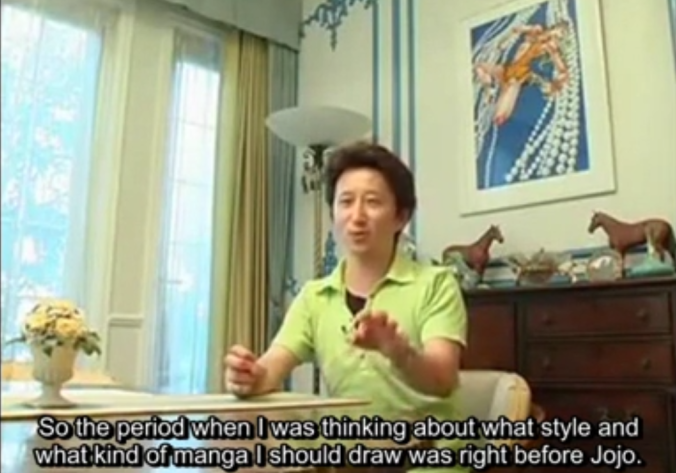
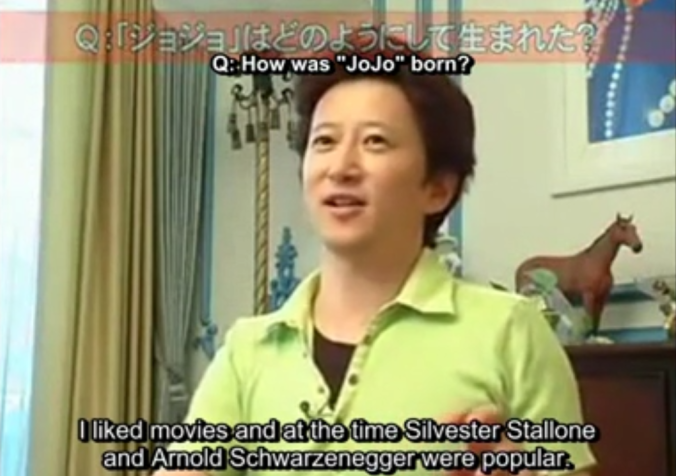
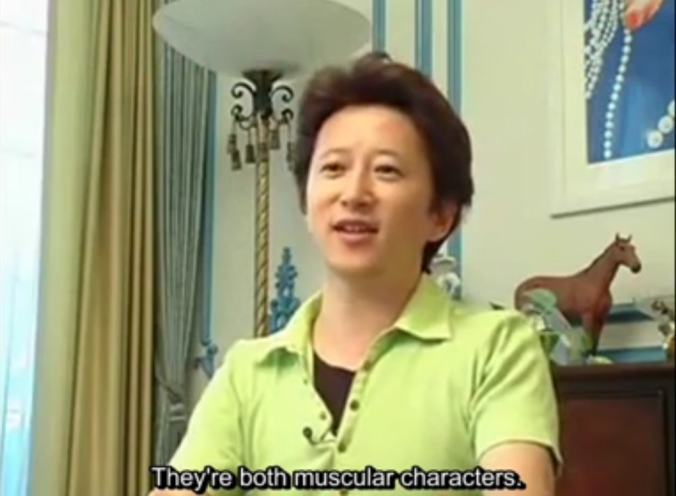
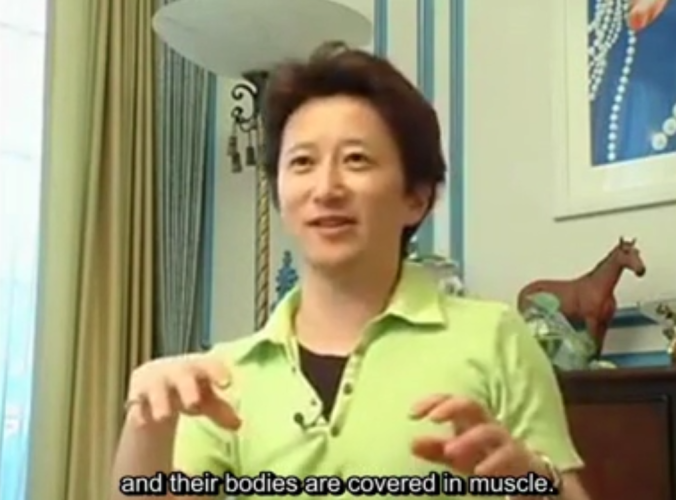
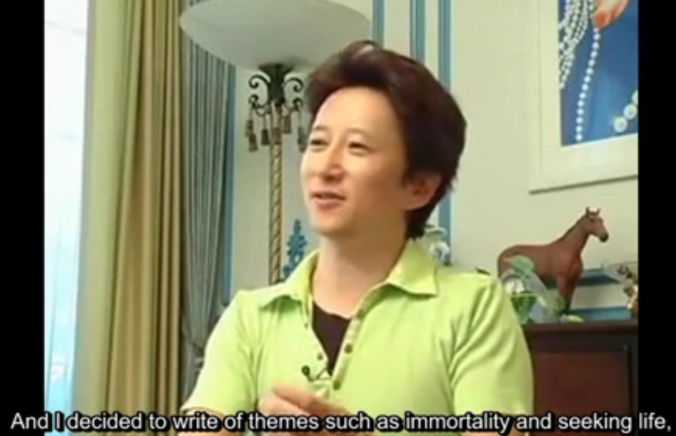
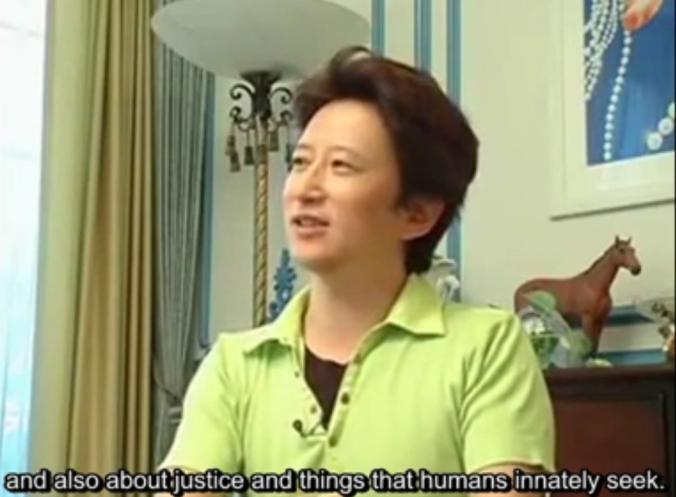
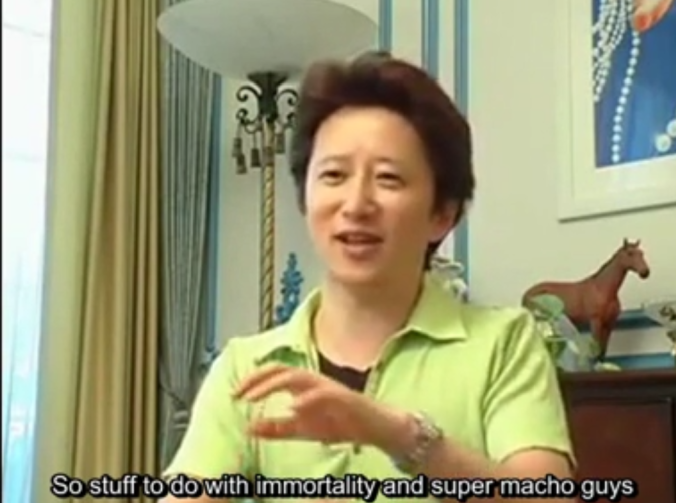
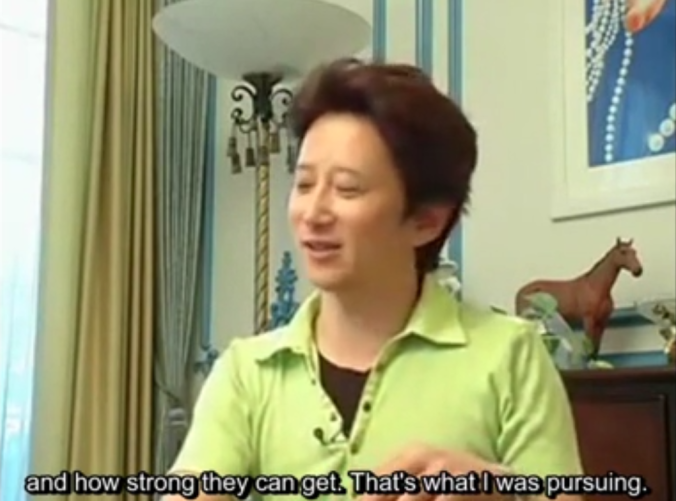
Hirohiko Araki, when he started the series in the 80’s, was really fascinated by the idea of macho and strength, and asked himself: how strong do they get, and how is strength measured? And what if a person is immortal? Are they then unbeatable? This is a prominent theme in the first parts of JJBA, and it appears already in “Baoh”.

araki 1araki 2araki 3araki 4araki 5araki 6araki 8araki 9

Hirohiko Araki in an interview about the story of Part 1 of Jojo’s Bizarre Adventure.

(Source. Warning: Araki is too pure for this world.)

Also, Araki took the design of Baoh and redid it for Cars, the one of the main villains in JJBA Part 2, complete with lots of muscles, long hair, and arm scythes.

BadassKars.png

vlcsnap-2016-08-22-00h38m03s112

Cars in Jojo’s Bizarre Adventure Part 2: Battle Tendency compared to “Baoh”.

baoh.png

“Baoh” easteregg in the JJBA anime adaptation by David Productions. Joseph Joestar is reading the manga on a plane.

maxresdefault

Baoh also makes an appearance in the “JJBA: All Star Battle” video game as a DLC character.

As Araki has a deep love for Western pop culture, other references are found as well, like the melting of faces in “Raiders of the Lost Ark”, an alien larva seeking for a host from “Alien”, and the cyborg villain aesthetic of the “Terminator” movies.

vlcsnap-2016-08-22-00h27m25s020.png

vlcsnap-2016-08-22-00h33m57s151.png

Only two of many references. Not pictured here: very graphic face-melting.

Tiny observation: The investors wear masks, not unlike the mask from JJBA.

Animation & Early “Posing Style”

The animation still holds up very well for being 27 years old, with outstanding sakuga moments fit for an action series, featuring debris, explosions and gunfire.

Scenes from Sakugabooru:

Impressive shot of Baoh escaping the military and Walken in a cave.

Shot of Baoh getting hunted down by a SWAT team.

Shot of ocean waves in the ED.

(WARNING!) The fight scene between the Baoh monster and the tiger is gruesome, with trademark 80’s hyperviolent gore and blood, and Araki’s odd habit of “animals getting hurt to show how evil the scene is”, which would appear in Jojo prominently as well.

But a special highlight are the early forms of “poses” that would become one of the beloved main attributes of “Jojo’s Bizarre Adventure”.

vlcsnap-2016-08-22-00h31m41s339vlcsnap-2016-08-22-00h31m42s886vlcsnap-2016-08-22-00h37m34s174vlcsnap-2016-08-22-00h38m03s112vlcsnap-2016-08-22-00h38m06s767vlcsnap-2016-08-22-00h38m38s077vlcsnap-2016-08-22-00h41m15s500
All of Baoh’s fighting moves feel very stylish!

Even those inbetweens!

On a side note, I cannot really recommend the dub of this OVA, except if you really want badly acted voices, which have a strange, campy charm in itself. (Baoh himself unfortunately sounds like he was dubbed by someone who happend to stand in the recording booth by accident.) The original voices give the anime more of a proper, serious feel.

Conclusion

BAOH

“Baoh: The Visitor” is a fantastic trip to the past. Not only to see Hirohiko Araki’s evolution as an artist, but also to revisit the age of 80’s anime. It is only 48 minutes long, but time really flies by in this action packed OVA. The hyperviolence and gore are very much in the zeitgeist of the decade, but the Araki spin on it makes it all the more entertaining. Instead of being just a boring gallery of violence, this anime becomes a camp celebration of 80’s. From the animation, to the character designs, to the music.

If you are a fan of Jojo’s Bizarre Adventure, give this anime a watch. If you just want to check out the 80’s aesthetic, I recommend this as well. While today is the age of “moe” and “slice of life”, this was the age of musclebound men and hyperviolence. It is interesting to see how preferences, overall artstyles and the general anime culture change. You may just need a strong stomach for all those strong visuals. If you do, sit back and enjoy this little gem from Hirohiko Araki.

vlcsnap-2016-08-17-09h39m25s666.png

The End.

MANLY MONDAY – Riki-Oh: The Wall of Hell OVA

riki_oh_v01c01p003

The 80’s are a wonderful time capsule for media. It presents an aesthetic that is out of fashion now, but still beloved by the general consensus for its zeitgeist of the decade.

In this age, the manly, hypermasculine hero was the protagonist to have. Muscles, Justice, Violence and lot of Punching – this is the formula most of 80’s media pieces follow. Not only in films, with well-oiled Arnold Schwarzenegger and Silvester Stallone, between Robocop and the Terminator: The same goes for anime and manga, where “Fist of the North Star” and “Jojo’s Bizarre Adventure” were born and would take the world by storm. But many of these series are forgotten by time and widespread media, sitting still placidly in the 80’s, waiting for someone to come and look at them.

And this is exactly what we will do now!

“Riki-Oh” is one of these series. Published in Buisness Jump, a Seinen magazine from Shueisha’s Jump family, this is a manga that has all the tropes you could wish for: dystopia, yakuza, martial arts, manlyness galore, and prison hell. The manga ran for 12 volumes, between 1988 and 1990. Two OVAs have been released, and a live action movie as well, that received a cult following for being an over the top, trash, silly gorefest with a lot of mindblowing practical effects. But this is a story for another day, we will focus on the first OVA, from 1989. Off we go!

riki 1.png

Story and Characters

In a post-apocalyptic Japan, everything is awful. People are dying, injustice is roaming the streets and the air is polluted. In this dreadful world, Riki is one hard dude. A mysterious vibe is around him, he bears a star on his right hand, and he is insanely strong. After his girlfriend dies by the hands of the yakuza, he battles the man responsible, but gets caught while performing his revenge.

car.png

Screw your car!

Our protagonist finds himself in a Tokyo State Prison that is now privately owned. Injustice is a daily matter, people are hurt or killed, and life is hell. Riki makes some friends, but loses them to the cruelties of prison pecking order, and therefore, tries to take the bad guys down.

vlcsnap-2016-08-13-23h10m43s012

Prison life is not lovely.

Everything escalates as Riki finds out that the prison is using the inmate’s workforce as a drug producing factory. He burns down the greenhouses and confronts the bosses of the prison, the chairman, his yakuza boss and their right hand fighter. More on him later.

After a lot of violence, a prison riot, and people getting hurt, Riki punches through the prison wall and leaves, towards new adventures.

vlcsnap-2016-08-14-00h23m54s143

vlcsnap-2016-08-14-00h23m58s394

vlcsnap-2016-08-14-00h24m00s804

vlcsnap-2016-08-14-00h24m06s070

vlcsnap-2016-08-14-00h24m08s520

vlcsnap-2016-08-14-00h24m11s160

vlcsnap-2016-08-14-00h24m15s411

vlcsnap-2016-08-14-00h24m25s257

vlcsnap-2016-08-14-00h24m27s678

This is how you exit.

The story is streamlined and not as complex as in the manga, there is for example only one main prison fighter, instead of four, and characters are omitted, while others are changed completely. But it does not hurt the story, it becomes its own thing.

As you can see, the story is explained pretty fast, but it is not the main focus of the OVA anyway. When you watch Riki-Oh, you are here for the spectacle.

Artstyle and Visuals

There is no point in denying that this OVA puts a great emphasis on bodies and the presentation thereof. Given that the violence involves a lot of body horror, it makes sense, but the amount of half-naked men in a prison is through the roof. The hypermasculinity of the 80’s comes with a fetish-isation and cult of manlyness that ends up being so over the top that it becomes ridiculous. And I wouldn’t want it any other way.

vlcsnap-2016-08-13-23h17m37s357.png

Naked fight in a prison shower. Man gets punched in boobs. I never thought these two sentences go together.

vlcsnap-2016-08-13-23h58m16s079.png

Riki gets punched and his clothes explode, leaving him topless.

vlcsnap-2016-08-14-00h06m16s522

His sit-ups sparkle!

vlcsnap-2016-08-14-00h03m26s885.png

Naked Riki is in chains, BDSM undertones included.

The 80’s fetish of men, and the muscles they have are one thing, but another aspect impressed me, a trope that I really much like in these types of shows: The feminine guy. If everybody has gigantic muscles, strong jawlines and incredible punching power, the nimble, slender and soft-faced guy visually stands out. And that can only mean one thing: That guy is going to kick immense amount of ass. Contrasting gender performances seeing eye to eye and are to be taken seriously!

vlcsnap-2016-08-13-23h55m46s928.png

OH SHIT

vlcsnap-2016-08-13-23h57m47s056.png

Now that is one badass man who can rock those fingernails! (Not pictured here: His superdeep voice.)

vlcsnap-2016-08-13-23h58m33s531vlcsnap-2016-08-13-23h58m38s827vlcsnap-2016-08-13-23h58m46s058

On the matter of framing and presentation, Riki-Oh has some beautifully composed shots, that really do shine in the fight scenes. The animation is not extraordinary, but it gets the job done. Gory shots and violence are animated well, the rest is very static, but still pleasing to the eye. The cinematography in those scenes is lifted straight from the manga and it really shines.

 vlcsnap-2016-08-13-23h34m58s750

vlcsnap-2016-08-13-23h35m57s343

vlcsnap-2016-08-13-23h36m03s730

vlcsnap-2016-08-13-23h36m11s486

vlcsnap-2016-08-13-23h37m25s651

Simple, clean, nicely framed shots that look good. What more do you need?

vlcsnap-2016-08-13-23h39m09s590

vlcsnap-2016-08-13-23h39m15s725

X-ray “impact frame” that shows up only for less than a second. A nice touch.

vlcsnap-2016-08-14-00h12m31s434

vlcsnap-2016-08-14-00h12m32s889

vlcsnap-2016-08-14-00h12m39s280

vlcsnap-2016-08-14-00h16m15s972

vlcsnap-2016-08-14-00h16m24s388

vlcsnap-2016-08-14-00h16m34s301

vlcsnap-2016-08-14-00h16m35s276

The final fight in the burning greenhouse. Visually pretty impressive!

Conclusion

While Riki-Oh is a neat OVA that is very much a child of its time, I would personally love to read the manga some more, for the “way-too-realistic”, yet “too-over-the-top” violence. The violence in the OVA is toned down. Yes, the OVA is tame in comparison to the manga. Eyes get stabbed, people get skinned and the violence never stops. It becomes an insane gallery you walk through and go “Oh, no I never thought you could actually do that!” In addition, it does seem that the OVA does not give the original artwork 100% justice.

riki_oh_v01c05p160_161vlcsnap-2016-08-14-00h12m39s280

The balancing of black and white, as well as the artstyle are stylish. The OVA loses a bit of the “oomph”.

While the original story is a lot longer and features more characters, the Riki-Oh OVA does not waste your time. The pacing is fast and it trims the fat so strongly, that you are only left with the crucial plot points and main fights. Is that bad? No. Instead of an epos, it becomes a snack-sized anime of condensed 80’s that you can watch in one go and think: “Oh yeah, that was a nice trip to the past!”

If you are interested in the time capsule that is Riki-Oh, give it a watch. It is not a landmark of the genre, but a cult classic – well, that title would rather go to the manga and the live action adaptation – but it is a nice short action flick for a rainy afternoon, when you craving fun and camp goodness.

end

This has been Riki-Oh: Toukatsu Jigoku (The Wall of Hell)

MAL

Wikipedia

Grappler Baki – First Impression

baki

A lot of anime viewers have a weekness for the “cute girls doing cute things” genre, and I love the “manly men doing manly things” genre.

I have a soft spot for that certain aesthetic in anime and manga. There is nothing more entertaining than seeing over-the-top burly, muscular characters fighting over something very, very important – the love of their life, the name of the family, execution of justice or plain old “saving the world”. I simply adore it. It fills me with hype, power and happiness.

But if you know your manly stories, you know that they come in different flavours.

Some are straight up serious Seinen. Berserk and Fist of the North Star fit the bill, with dark stories and adult themes, where characters are hurt and justice must be served. A dystopian setting helps and the main characters themselves are not without sombre back stories. This is intense and serious.

Some others are fun Shonen. Jojo’s Bizarre Adventure and Toriko would fall into this category. There are serious moments, sure, but the main attraction is “fun”. Strong characters having big fights and a lot of comedy on the side. Have fun, sit back, enjoy the sillyness!

And then there is Grappler Baki.

I picked up this show because it was a special offer at an anime convention. Both boxsets, 48 episodes, for about 20€. I couldn’t argue at the value, and the guys at the booth were really happy when I bought them. “This was the first anime we ever licensed! We didn’t know what to do back then and we have way too many around! Thank you for buying them!” They are now the German distributors for Akame ga Kill, Free!, Assassination Classroom, Kill la Kill and Sword Art Online, and, well, they had to start somewhere.

20160625_134721.jpg

Look those covers. I couldn’t walk past them.

I had heard of Baki before, on the the AnimeHERO, an English-speaking hispanic anime reviewer, who specialises in MANLY anime and Seinen. Of course I am subscribed to him, what do you think. It’s right up my alley!

Anyways, here I am with my two DVD boxes. And I decided to check them out – what is this manly show? I have now watched 7 episodes out of 48, what are my impressions?

1490504-grappler20baki20201yi5

Baki and his dad. Not the best of relationships.

The series falls oddly between those two previously mentioned groups.

There is a family drama going on. Baki, a young 13 year old delinquent, is overshadowed by the legacy of his father and the protection of his mother. His dad was the hardest arsehole out there, and after he disappeared and left the underworld in ruins, the yakuza are out after his son. Baki’s mum has a big buisness and wants to do everything for her son. Baki himself cannot be bothered with all of this. He simply wants to be the strongest, on his own merit. And defeat the yakuza that simply want to kill him because of his father.

And thus starts the story. Baki wants to be strong, and for that he has to defeat many foes. So, a battle anime it is. The concept is also nothing new. Baki himself is strong, but small, of compact build. And right on episode 2, he goes into a training arc in a forest, to fight … a mountain gorilla.

You see, this series tries to be serious and then it doesn’t. It stikes a very strange balance between the two, while being visually over-the-top.

We need to talk about the character design.

Baki himself is a great protagonist. Happy, but strong-willed if the situation calls for it, and a delinquent with a heart of gold. He will find his way through life, even if that means getting beaten down once in while.

vlcsnap-2016-06-24-19h55m46s519.png

Look at that happy face.

vlcsnap-2016-06-24-19h43m55s597.png

Small, but not to be underestimated.

So far, so good. He is the burly version of the protagonist of Haikyuu! Small, with flaming orange hair and incredible jumping power. Just with less volleyball and more gangsters.

I also love the design of Baki’s mother. This is something I have always loved about those “manly” series. If you have strong guys, you can’t just make women frail and weak. (Looking at you, light novels.) No, they have to be badasses as well.

[MMM] JoJo's Bizarre Adventure 16 - [1A04BE2F].mkv_snapshot_22.03_[2013.02.25_22.23.21]

Like “Lisa Lisa” from Jojo’s Bizarre Adventure.

vlcsnap-2016-06-24-19h26m48s124

Baki’s mother. Hard buisnesswoman with a softer side.

vlcsnap-2016-06-25-13h23m01s188.png

The happy boss of everything.

The idea of “manlyness” transcends gender. Everyone, man or woman, gets badass. I love this concept. We all get “badassery equality” over here.

Well, that poses a question: How much is “too much”?

vlcsnap-2016-06-25-12h55m24s963.png

That dude is 13 years old? 

bakidvd.png

The inside of the first box. Baki fighting the mountain gorilla, but what is this background? Are we looking at someone’s back or front? Do these muscles even exist?

vlcsnap-2016-06-25-12h46m02s601.png

WHAT THE

vlcsnap-2016-06-25-12h46m50s350.png

WE HAVE REACHED THE OUTER LIMIT OF MANSERVICE

vlcsnap-2016-06-25-12h54m47s797.png

WAT

vlcsnap-2016-06-25-13h05m24s128.png

SO MANLY THE DOOR BROKE

vlcsnap-2016-06-24-19h20m20s182.png

WOLF HELICOPTER PUNCH

vlcsnap-2016-06-25-13h04m01s284.png

JUST HOW HUGE ARE YOU JESUS

bakigor.png

I FORGOT ABOUT THE GORILLA

And I am only 7 episodes in. The design and situations are ridiculous. Too much. Of everything. With the two of my other favourite series that are visually different, I know which artstyle I am at. Kaiji and Akagi are pointy and expressive, and Jojo’s Bizarre Adventure is colourful and fabulous, but this is just: muscles. Muscles everywhere. So many.

And the series is not attempting to be anything supernatural! It is essentially a family drama set in the underworld. And yet: gorilla fights. Baki is simultaniously too serious and too silly, stuck in an odd limbo balance.

Baki is a 90’s manga and it shows. But this over-the-top attitude has something really charming to it. The anime is from 2001, but they respectfully kept the cheesy nineties feeling. The eurobeat soundtrack that occasionally shows up is fantastic, straight out of Initial D. And as I am enjoying this anime in the German dub, that is equally over-the-top, I am really having fun.

I like this series. It has everything I wanted from it, big and small muscly men fighting for a bigger cause, a lovely protagonist and a lot of episodes to dig myself into. I can even continue to read the manga afterwards if I want to! I am excited to see what is about to come, as at the end of episode 7, it is revealed that Baki’s father comes back! Now the story really starts! The artstyle is not fantastic, but, hey, it actually fits the story! If it finds its balance and knows what it wants, this series will become really great. But even now, I am having fun!

I am glad that I bought this series. Because sometimes, what you need in life, is just a lot of manly men doing manly things.